
Most People Wash Towels Wrong – Are You Making This Mistake Too?
Discover why your towels feel stiff and stop absorbing water—and the simple adjustments that restore them to their best self.
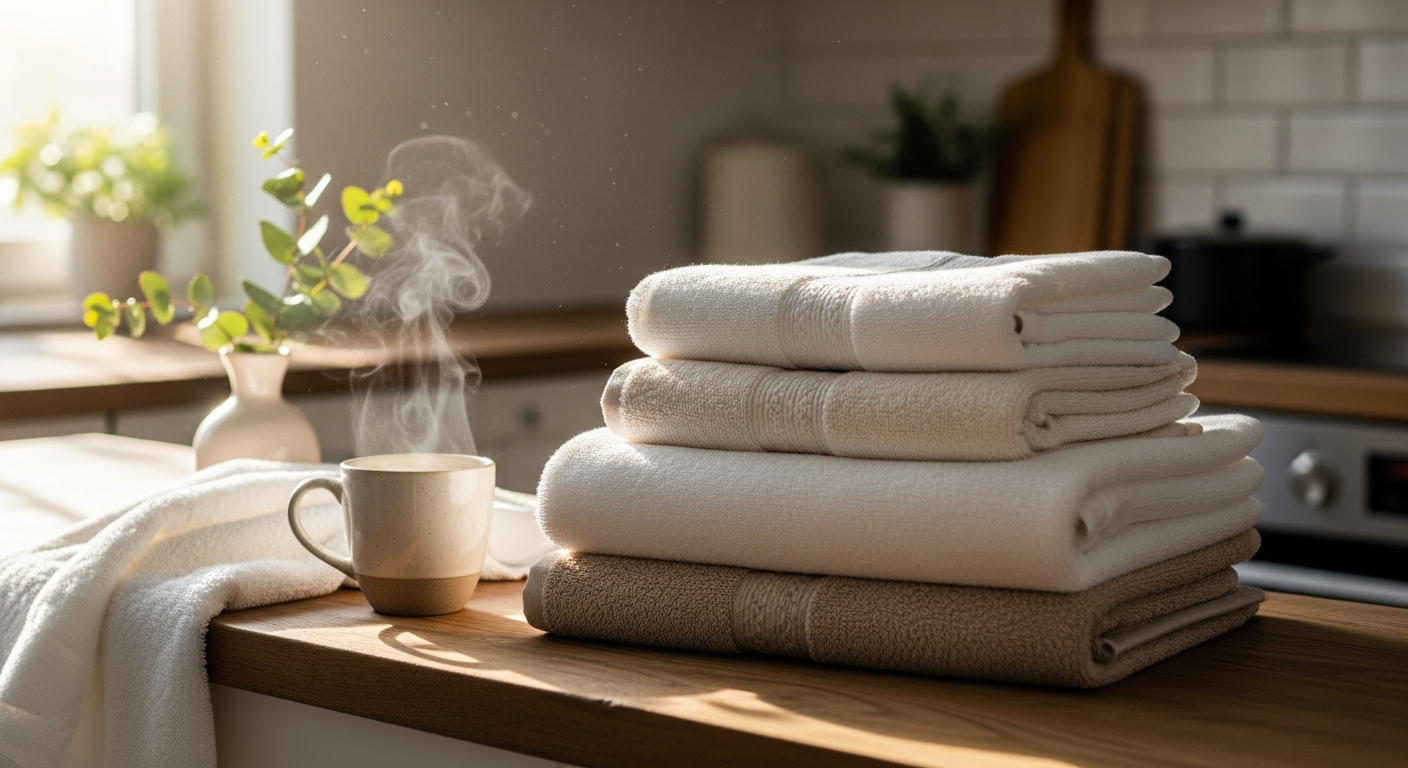
There's something deeply satisfying about wrapping yourself in a soft, absorbent towel fresh from the wash. Yet so many of us pull towels from the dryer only to find they've become stiff, scratchy, and less able to do their job. We assume this is just what happens over time—that towels inevitably decline—when the truth is far simpler. Most of us are washing them in ways that actually work against their nature.
Towels are one of those humble household items we rarely think about until something goes wrong. But they're also one of the places where small, intentional choices make an enormous difference. Understanding how to care for them properly isn't about being precious or fussy. It's about the practical reality that well-maintained towels last longer, perform better, and feel better against your skin. And honestly, it saves you money.
Let me walk you through what's actually happening to your towels, and how to change course.
Why Towels Lose Their Softness and Absorbency
The first thing to understand is what towels are made of and how they work. A towel's softness and absorbency come from its fibers being open and loosely structured—lots of tiny loops that trap air and water. When you wash and dry a towel, those fibers can become flattened, matted down, or coated with residue that prevents water from being absorbed.
Three main culprits cause this deterioration:
- Fabric softener and dryer sheets leave a waxy coating on the fibers that makes them feel soft initially but actually blocks absorbency over time. This coating builds up with each wash.
- Excess detergent doesn't rinse out completely, especially in towels, which are thick and absorbent. The residual detergent stiffens the fabric and reduces water absorption.
- High heat drying can scorch the fibers and cause them to lose their natural loft. The intense tumbling also matts down the loops that make towels fluffy.
Here's what many people don't realize: that stiffness you feel after a dryer sheet? That's not softness. It's a coating. Real softness in a towel comes from fibers that can move freely and retain moisture.
The Washing Phase: Getting It Right From the Start
Start by measuring your detergent carefully. Most of us use far too much. Towels are dense and absorbent, so they hold onto water and detergent in a way that lightweight fabrics don't. A standard washing machine full of towels needs only about half the detergent you might use for regular clothing. Check your detergent's recommended amount and use closer to the minimum.
Why does this matter? Extra detergent doesn't rinse out completely. It builds up in the fibers, creating stiffness and actually reducing absorbency by creating a barrier that repels water. When you wash a large load of towels with too much detergent, you're essentially coating them in a film that works against their purpose.
Consider using white vinegar in the rinse cycle instead of fabric softener. This might sound unusual if you've never done it, but vinegar is actually a proven method that works by chemistry, not marketing. White vinegar removes detergent residue, brightens whites naturally, and leaves towels genuinely soft and absorbent. Use about half a cup for a full load. Yes, it smells like vinegar during the wash, but that dissipates completely during drying.
If you're uncomfortable with vinegar's smell or want an alternative, simply skip the fabric softener and softening sheets entirely. Wash with appropriate detergent amounts and good rinsing—either an extra rinse cycle or by using less detergent in the first place—and your towels will naturally soften and improve as they're used.
Avoid washing towels with clothing that has zippers, snaps, or rough textures. These catch on the towel's loops and cause pilling and damage. Towels wash best with other towels or similar-weight items like washcloths and kitchen linens.
Temperature and Cycle: More Nuance Than You'd Think
Warm or hot water actually cleans towels better than cold water, especially when it comes to removing body oils and bacteria that accumulate over time. This is one place where slightly higher temperature genuinely serves a purpose. However, this doesn't mean scalding heat. A warm cycle is perfectly adequate and less harsh on fibers than hot.
Use a normal or regular cycle, not delicate. Towels benefit from adequate agitation to open up their fibers and allow detergent and rinse water to move through them effectively. A gentle cycle won't agitate enough to get them truly clean.
Here's a detail that matters: don't overload the machine. Towels need room to move around. An overstuffed load means water and detergent can't circulate properly, detergent doesn't rinse out fully, and the towels themselves don't come out as clean or as soft. This is worth the extra load of laundry.
The Drying Phase: Where Most People Go Wrong
This is where the biggest mistakes happen. Most people dry towels on high heat with dryer sheets, which is almost designed to ruin them.
Skip the dryer sheets entirely. Those fragrant sheets are melting onto your towels' fibers in a thin plastic-like coating. Even if you can't feel it, it's there, and it accumulates. Instead, if you use a dryer at all, use it on medium heat. Medium heat dries towels adequately without the scorching that high heat causes. The slightly longer drying time is worth it.
If you have access to line drying, this is genuinely the best option for towels. Air drying preserves the integrity of the fibers and requires no heat whatsoever. Towels dried on a line or drying rack will feel stiff at first—this is normal—but that stiffness disappears as soon as you use them. The fibers fluff up with use in a way that machine-dried towels often don't.
If you must use a machine, remove towels from the dryer while still slightly damp rather than waiting for them to be completely dry. This reduces unnecessary heat exposure and the static electricity that leads to fiber damage and matting.
Here's a small but genuine improvement: shake out your towels vigorously before drying them. This separates the fibers and helps them dry with better loft. When they come out of the dryer or off the line, shake them again. This fluffs the loops back up and makes a real difference in how soft and full they feel.
Restoration: Bringing Old Towels Back to Life
If your towels are already stiff and losing absorbency, you can often restore them. Run them through a hot wash cycle with no detergent and one cup of white vinegar. This removes built-up residue from past washing. Dry on medium heat or air dry. You may need to repeat this once or twice for towels that have accumulated a lot of buildup.
This reset wash is also a good idea to do occasionally even for towels you're taking good care of—perhaps once or twice a year. It removes gradual buildup that happens naturally over time, even with correct washing.
Small Habits That Extend Towel Life
Wash towels separately from clothing. The friction between towel loops and smooth fabrics or hardware shortens towel life noticeably. Towels wash best with other towels.
Wash bath towels after every three or four uses rather than every single use. This extends their lifespan significantly. Hand towels and washcloths can be washed more frequently. Daily use doesn't mean daily washing—that's just unnecessary wear on the fibers.
Store towels in a cool, dry place with good air circulation. Damp, humid storage promotes mildew and mold, which damages fibers and creates odor. If a towel starts to smell even after washing, it's usually a sign it wasn't fully dry before storage or that it needs that vinegar reset wash to remove bacteria.
Turn newer towels inside out when drying them. This reduces fading on the decorative side and minimizes pilling on the outside where you notice it most.
Why This Matters Beyond Practicality
Taking care of the things in your home isn't just about extending their usefulness or saving money, though both of those matter. It's about attention. It's about noticing that a small change—using less detergent, skipping dryer sheets, shaking towels before they dry—can transform how something feels against your skin.
A genuinely soft, absorbent towel is a small pleasure that appears in your life multiple times a day. It's the comfort of wrapping up after a bath, of drying your hands on something that feels good. These small comforts matter. They're part of what makes a house feel like a home rather than just a place where you sleep.
And there's something satisfying about understanding how things work and making them work better. It's not complicated knowledge. It's just paying attention and being willing to do things slightly differently. Your towels will respond, and you'll notice. That's worth the small effort.
Related articles

How Slow Cooking Improves Focus
Understand why pace matters in food preparation.

9 Things You Should Never Put in the Dishwasher—And Why Hand Washing Matters
Some kitchen items deserve the gentle care of hand washing. Learn which treasured pieces to protect and why this simple practice preserves what matters most.

The One Food You Should Never Reheat—and Why It Matters More Than You Think
Some kitchen rules exist for good reason. Learn which common food poses real danger when reheated and why this matters for your family's health.