
The One Food You Should Never Reheat—and Why It Matters More Than You Think
Some kitchen rules exist for good reason. Learn which common food poses real danger when reheated and why this matters for your family's health.
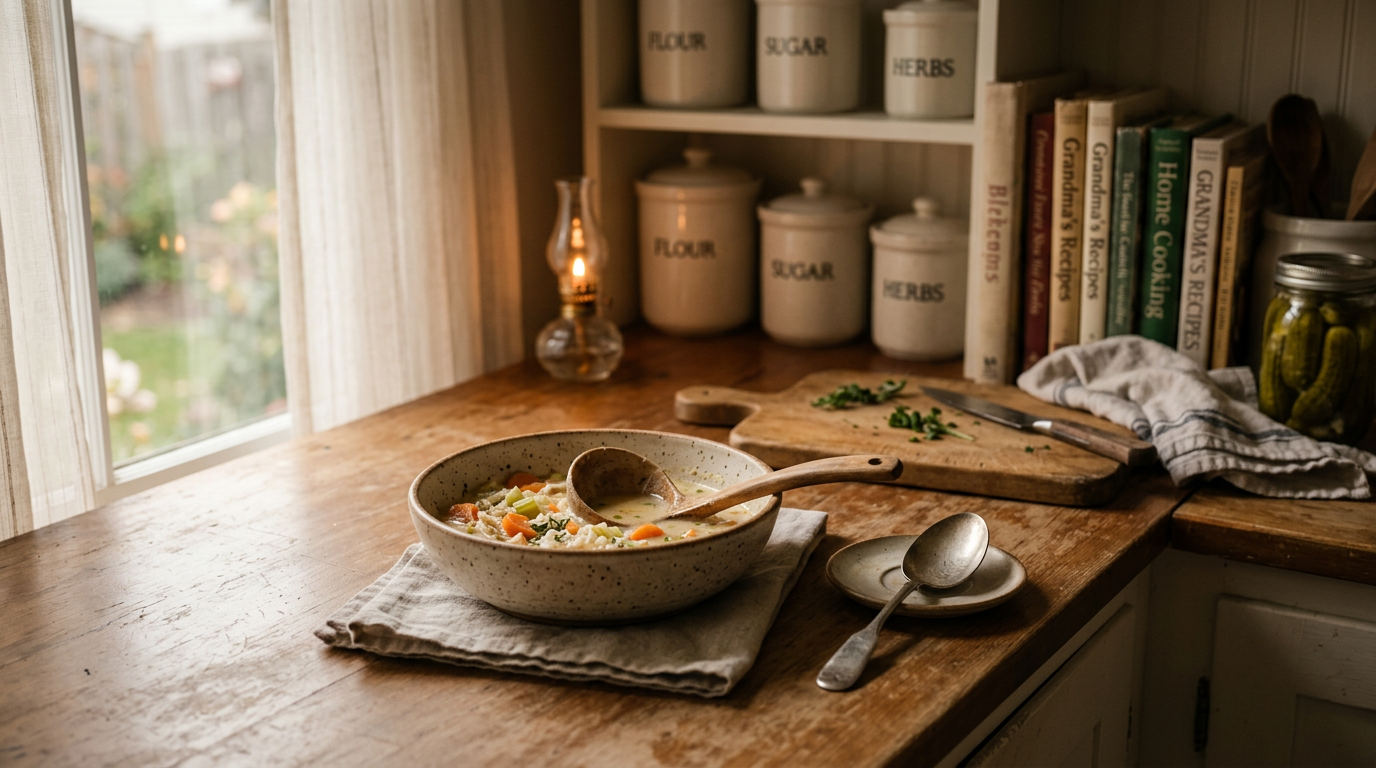
There's a particular kind of kitchen wisdom that doesn't make it into most cookbooks or food blogs—the kind that's learned through experience, sometimes through small mistakes, and passed along in quiet conversations over dinner. One of those pieces of wisdom concerns a food most of us cook regularly: rice.
The instruction sounds almost superstitious at first: never reheat rice. But unlike many old kitchen rules that have faded with time or proved unnecessary, this one is rooted in real food science and genuine food safety. Understanding why this matters changes how you think about leftovers, meal planning, and the small decisions that add up to keeping your home and table safe.
Why Rice Is Different
Rice seems like the safest food imaginable. It's mild, familiar, and sits in your pantry for months without spoiling. But rice contains spores—microscopic organisms that can survive cooking. These aren't the same as the bacteria you might find on raw chicken or spoiled meat. Rice spores are remarkably resilient.
When you cook rice, the heat kills most organisms, but these spores can endure temperatures that would destroy almost everything else in your kitchen. They're waiting, dormant, in that finished pot of rice cooling on your counter. This is where the real danger emerges: as your rice sits at room temperature or in the refrigerator, those spores can wake up and begin to multiply.
The organism in question is Bacillus cereus, and it produces toxins that can cause food poisoning. What makes this particularly insidious is that reheating the rice—even thoroughly reheating it—won't destroy these toxins. The bacteria itself will die from heat, but the damage is already done. You're not making the rice safe by warming it up; you're simply destroying the evidence of contamination.
The Temperature Timeline: Why Timing Matters
The danger window is specific, which is helpful to understand. When rice cools after cooking, that intermediate temperature range—roughly between 40°F and 140°F—is where bacterial growth accelerates most rapidly. This is called the "danger zone" in food safety for good reason. It's the temperature range where pathogens thrive.
The longer rice sits in this zone, the more toxins accumulate. This is why rice left on the counter for several hours poses more risk than rice that's been in the refrigerator overnight. It's also why the common practice of leaving a pot of rice out to cool before refrigerating it is genuinely risky, even if generations of families have done it without incident.
Time is the variable that separates safety from danger here. A few minutes at room temperature isn't the same as a few hours. But because the risk is invisible and doesn't follow a clear-cut timeline, the safest approach is the simplest: avoid reheating rice altogether.
The Better Approach: Thinking Ahead
Understanding the rice problem changes how you cook in practice. It's not about never making rice—it's about respecting what you make and eating it while it's fresh. This connects to a larger principle in home cooking: making deliberate choices about quantities.
Instead of cooking a large batch of rice with the assumption that you'll eat it over several days, cook what you'll eat today. This sounds impractical at first, but it's actually liberating. Rice cooks quickly—fifteen to twenty minutes for most varieties. That's a reasonable investment for a meal.
If you do end up with leftover rice, the safe choice is simple: don't save it for reheating. Incorporate it into something new instead. Fried rice dishes, rice salads, rice soups, and rice puddings all start with cooked rice, but they're cooked fresh, which means any spores present are killed by the cooking process. The rice becomes an ingredient in a new dish rather than a reheated meal. This distinction matters.
The Deeper Lesson: Risk and Invisibility
What makes the rice rule worth understanding goes beyond food safety. It illustrates something important about caring for a home and the people in it: some risks are invisible. You can't taste spoiled rice. You can't see the bacteria. The problem doesn't announce itself until someone gets sick, sometimes hours later, with symptoms that might seem to come from nowhere.
This is why traditional wisdom often sounds cautious or even paranoid to modern ears. It developed not because someone was being overcautious, but because families learned through real consequences what was worth avoiding. The rice rule exists because enough people got sick from reheated rice that the pattern became clear.
In your own home, this principle applies to more than just rice. It's why certain foods shouldn't be left out, why some dishes need to be consumed fresh, and why following these guidelines matters even when nothing has gone wrong yet. The absence of illness isn't evidence that the risk doesn't exist—it's simply luck.
Practical Changes to Your Kitchen Routine
Knowing this, how do you actually adjust your cooking life? The changes are smaller than they might seem at first.
First, when you cook rice, cook the amount you'll actually eat that meal. This requires a small shift in how you plan your cooking, but it's worth it. If you're cooking for four people and you know you'll serve rice once, cook enough for four servings. Not five, not six—four.
Second, if you do have leftover rice, use it the same day it's cooked. The toxins need time to develop, so fresh leftovers used in a cooked dish (like fried rice made and eaten the same day) are safe. The danger comes from storage and reheating over subsequent days.
Third, when you're meal planning, consider rice dishes that naturally use fresh-cooked rice. Risotto is made fresh every time. Rice bowls with fresh vegetables and proteins come together quickly. Paella and jambalaya are cooked once and eaten. These aren't complicated meals—they just happen to work with the grain's natural constraints rather than against them.
Fourth, if you frequently cook rice and want a bit more flexibility, there are rice alternatives that don't carry this same risk. Pasta, quinoa, barley, and other grains can be reheated safely. Knowing this gives you options that make meal planning easier without compromising safety.
When Traditional Rules Make Sense
The rice rule is one of those old kitchen instructions that feels arbitrary until you understand the reason behind it. Once you know why it exists, it shifts from a superstition to a sensible practice. This is the value of understanding rather than simply following rules.
There's a comfort in this kind of knowledge. It means you're not just avoiding harm through blind adherence to rules; you're making informed choices about your home and your family. You understand what's actually at stake. You can explain it to others. You can adjust your practice based on circumstances because you know what you're protecting against.
In a time when so much kitchen advice seems to shift with trends and trends with seasons, rules grounded in actual food science feel stable. They're not going to change next year. Rice will always contain those spores. The danger zone will always be the danger zone. These aren't opinions—they're facts that have proven true across generations and across kitchens.
Building a Safer Kitchen Through Small Awareness
The rice rule is just one piece of food safety wisdom, but it's a useful starting point for thinking about how you build safe habits in your home. It's not about fear or paranoia. It's about understanding your ingredients, respecting the way food behaves, and making small, consistent choices that add up to genuine protection.
Every time you cook rice and plan to use it fresh, or repurpose leftovers into something new rather than reheating them, you're enacting this knowledge. You're choosing safety in a quiet, practical way that doesn't require special equipment or complicated techniques. You're just cooking thoughtfully.
This is how homes have always been kept safe—not through dramatic measures, but through accumulated small wisdom and consistent practice. The rice rule is just one thread in that larger tapestry of care. It's worth knowing, worth following, and worth understanding deeply enough that it becomes simply how you cook.
Related articles

How Slow Cooking Improves Focus
Understand why pace matters in food preparation.

9 Things You Should Never Put in the Dishwasher—And Why Hand Washing Matters
Some kitchen items deserve the gentle care of hand washing. Learn which treasured pieces to protect and why this simple practice preserves what matters most.
Cooking Meals That Feel Steady and Reliable
Learn how familiar dishes bring comfort and ease to daily meals.