
9 Things You Should Never Put in the Dishwasher—And Why Hand Washing Matters
Some kitchen items deserve the gentle care of hand washing. Learn which treasured pieces to protect and why this simple practice preserves what matters most.
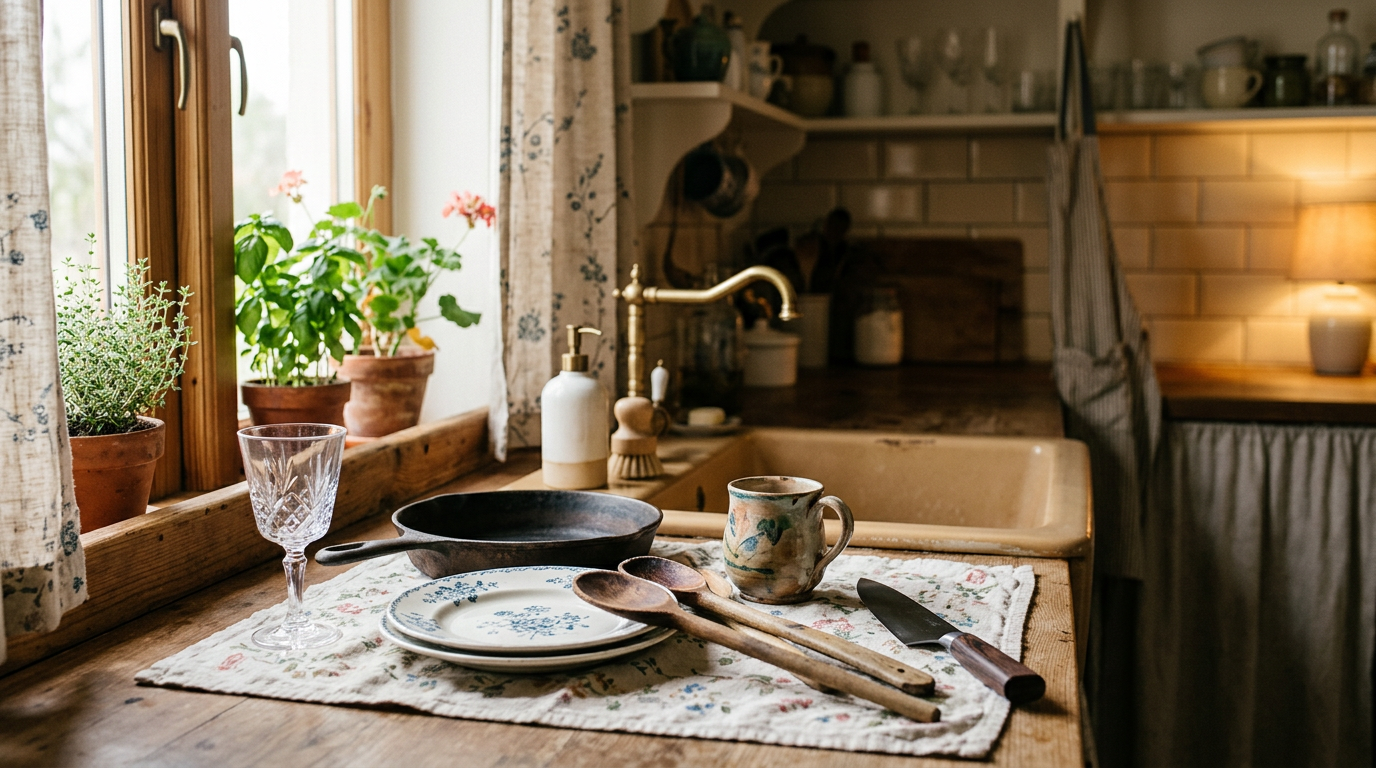
There's a quiet comfort in hand washing dishes. The warm water, the smell of soap, the smooth transition from dirty to clean—it's a ritual that settles the mind and teaches us something about care. But modern life often tempts us to automate everything, including the washing of our most cherished kitchen items. The dishwasher is undeniably convenient, yet it's not the answer for everything in our homes. Understanding what doesn't belong in that machine isn't just about following rules; it's about respecting the objects we use every day and keeping them in our lives for decades.
Why This Matters More Than You Might Think
Before we dive into the specific items, it's worth understanding the why behind hand washing certain dishes. A dishwasher works through intense heat, vigorous water jets, and chemical-heavy detergents. These forces are harsh and indiscriminate. They're designed to strip away baked-on food and sanitize quickly—excellent for everyday plates and glasses, but devastating for delicate surfaces, special finishes, and materials that weren't built to withstand such treatment.
When we hand wash, we're doing something different. We're being intentional. We're adjusting our pressure based on what we're holding. We're checking for damage. We're showing respect to objects that have served us well. This isn't sentimentality; it's practical wisdom. A wooden spoon that lasts thirty years because you cared for it properly is far more valuable than buying five cheap replacements.
Cast Iron Cookware: Your Family's Heirloom
Cast iron deserves first mention because it represents something deeper than just a cooking tool. A well-seasoned cast iron skillet improves with age and use. The patina that builds up over years of cooking is actually a protection—a natural, non-stick surface created by layers of polymerized oil.
The dishwasher destroys this patiently built seasoning. The hot water and detergent strip away oil, the high heat can cause warping, and the tumbling can create rust. But there's more: cast iron is porous. It can absorb soapy flavors that linger long after the soap is rinsed away, affecting the taste of future meals.
The hand-washing method is simple: wipe or scrub with hot water immediately after cooking while the pan is still warm. Use a small amount of mild soap if necessary—modern soap won't harm cast iron the way old lye-based soaps did. Dry thoroughly with a cloth, then apply a very thin coat of neutral oil while the pan is still slightly warm. This takes less than two minutes and preserves an investment that could last a lifetime.
Wooden Spoons and Utensils: The Tools That Know Your Kitchen
Wooden spoons and spatulas are workhorses in a well-used kitchen. They're gentle on pots, they don't conduct heat like metal, and they develop character over time—subtle darkening, a slight smoothness from constant use. They're comfortable in your hand because you've used them hundreds of times.
The dishwasher is the enemy of wood. The intense heat causes wood to crack and warp. Repeated exposure to water causes swelling and shrinking. The detergent can dry out wood and make it brittle. Within a few cycles, a good wooden spoon can splinter and become unsafe to use.
Hand washing wood is genuinely easy: warm water, a soft brush or cloth, and air drying standing upright so water doesn't pool in the handle. If wood becomes sticky or dull, periodically rub it lightly with food-grade mineral oil. These utensils will serve you faithfully for decades with this simple care.
Non-Stick Cookware: Protecting the Coating That Protects Your Food
Non-stick pans have a delicate coating designed to prevent food from sticking. This coating is vulnerable. The abrasive action of a dishwasher's spray arms, the heat cycles, and harsh detergents gradually wear away this protective layer. Once damaged, the non-stick properties disappear, and the pan becomes frustrating to use.
More importantly, as that coating deteriorates, microscopic particles can end up in your food. This is why many health-conscious cooks choose to hand wash non-stick cookware: you maintain control over how it's cleaned, and you can monitor its condition.
Wash non-stick pans gently with a soft sponge or cloth, never with steel wool or abrasive scrubbers. Use warm water and mild soap. Many non-stick manufacturers recommend hand washing specifically. With proper care, a quality non-stick pan will maintain its performance for five to ten years rather than deteriorating in two.
Fine China and Glazed Ceramics: Beauty That Deserves Respect
Dishes reserved for special occasions—the ones with delicate glazes, gold or silver trim, or hand-painted details—are in your home for a reason. They mark important moments. They're beautiful. And they're expensive to replace.
The dishwasher can chip the glaze, fade hand-painted patterns, and strip away metallic trim. The turbulence inside the machine causes dishes to knock against each other in ways that hand washing prevents. Additionally, the high heat can affect some ceramic glazes, causing slight color shifts or crazing (fine cracks in the glaze).
Hand washing these pieces is an act of preservation. Wash them in warm, soapy water using a soft cloth or sponge. Stack them carefully with cloth between each dish if you must stack them. Dry them immediately so water spots don't form. This minimal extra effort keeps these treasured pieces safe.
Knives: Tools That Require Sharpness and Respect
Your kitchen knives—especially the good ones—should never see the inside of a dishwasher. The heat can affect the temper of the blade. The tumbling causes knives to bang against other items, dulling the edge. The moisture creates rust spots on the blade. And practically speaking, dishwashers are dangerous for knives: someone reaching in to unload could easily cut themselves on a blade that's hidden among other items.
A sharp knife is actually safer than a dull one because it requires less pressure and is less likely to slip. Preserve that sharpness by hand washing immediately after use, drying right away, and storing knives properly—in a block, on a magnetic strip, or with blade guards, never loose in a drawer.
The discipline of hand washing your knives also creates a moment of mindfulness. You're touching the tool you use to prepare every meal. You notice when the blade becomes dull and tends to it. You develop respect for this tool.
Crystal Glassware: Clarity and Brilliance Over Time
Crystal is more porous than regular glass. It can absorb soapy flavors and odors from the dishwasher. The heat can cause cloudiness or crazing—those fine lines that appear on the inside of old crystal. The detergent used in automatic dishwashers is often too harsh, leaving a film that dulls the crystal's natural brilliance.
Wash crystal gently in warm, soapy water. Use a soft cloth or soft-bristled brush. For stubborn spots inside a vase or narrow glass, fill with warm water and a drop of dish soap, add uncooked rice, and swirl gently—the rice acts as a mild abrasive without scratching. Dry immediately with a lint-free cloth to maintain the clarity and shine that makes crystal beautiful.
Antique or Vintage Dishes: Honoring the Past
If you use vintage dishes—whether inherited, thrifted, or collected—you're maintaining a connection to another time and another person who once held these same dishes. Treat them accordingly. Older dishware often has glazes and decorative techniques that weren't built to withstand modern dishwasher conditions.
Hand washing vintage pieces is a way of honoring their history. It's also practical: you can examine them closely, notice any cracks or weak spots developing, and prevent further damage. Many vintage dishes have lasted fifty, eighty, or a hundred years because they were cared for by people who hand washed them.
Aluminum and Anodized Cookware: Protecting the Protection
Anodized aluminum cookware has a specially treated surface that makes it durable and non-stick without the coatings that raise health concerns for some people. The dishwasher can damage this anodized surface, breaking down the protective layer and causing discoloration or pitting.
Additionally, regular aluminum can react with acidic foods if the protective oxide layer is removed by harsh dishwasher detergent. This can cause discoloration and affect the taste of acidic foods like tomato-based sauces.
Hand wash these pieces with mild soap and warm water. The effort is minimal, and it preserves the coating that makes these pans worth owning.
Wood-Handled Tools and Gadgets: Small Investments Worth Protecting
Peelers with wooden handles, cheese graters with wooden frames, kitchen shears with wooden grips—these small tools are easy to overlook but worth protecting. The wood handles absorb water in the dishwasher, swell, and become loose. The metal components can rust.
Keep these tools out of the dishwasher. Wipe or rinse them immediately after use and allow them to air dry standing up. A wooden-handled peeler that costs five dollars might last decades with this care, while the same peeler will fall apart after a few years in the dishwasher.
Anything with Glue or Adhesive: Hidden Vulnerabilities
Some kitchen items—cutting boards with decorative inlays, utensil handles glued together, wooden spoon with a decorative band—are held together with food-safe adhesives. The high heat and moisture of a dishwasher can dissolve or weaken these adhesives. What seems like a small repair problem can quickly make a tool unsafe to use.
Before putting anything in the dishwasher, pause and consider whether it's constructed in a way that might be vulnerable to heat and moisture.
The Forgotten Value of Hand Washing
In a culture that celebrates time-saving devices, hand washing dishes might seem like a step backward. But there's wisdom in this small ritual. It's a moment away from screens, a transition between cooking and the rest of your day, a chance to handle your tools and notice their condition.
Hand washing certain items isn't a burden—it's an investment in longevity. The few extra minutes spent washing a cast iron skillet properly is repaid a hundred times over by years of cooking in that same skillet. The gentle care required by wooden spoons and quality knives is returned as reliable, comfortable tools that become part of your kitchen's identity.
Your kitchen is filled with tools and dishes that deserve respect. Some of them may have come to you from someone else's kitchen, carrying that history forward. Others you've chosen carefully because they do their job well. Protecting these items through hand washing isn't fussy or old-fashioned. It's practical wisdom, the kind that has guided careful cooks and home keepers for generations. It's the kind of knowledge that makes a house feel like home—a place where things last, where care matters, and where daily rituals connect us to something meaningful.
Related articles

How Slow Cooking Improves Focus
Understand why pace matters in food preparation.
The One Food You Should Never Reheat—and Why It Matters More Than You Think
Some kitchen rules exist for good reason. Learn which common food poses real danger when reheated and why this matters for your family's health.
Cooking Meals That Feel Steady and Reliable
Learn how familiar dishes bring comfort and ease to daily meals.