
Most People Store Bread Wrong – Here's the Right Way
Simple shifts in how you store bread can mean the difference between a loaf that stays fresh for days and one that hardens or molds within hours.
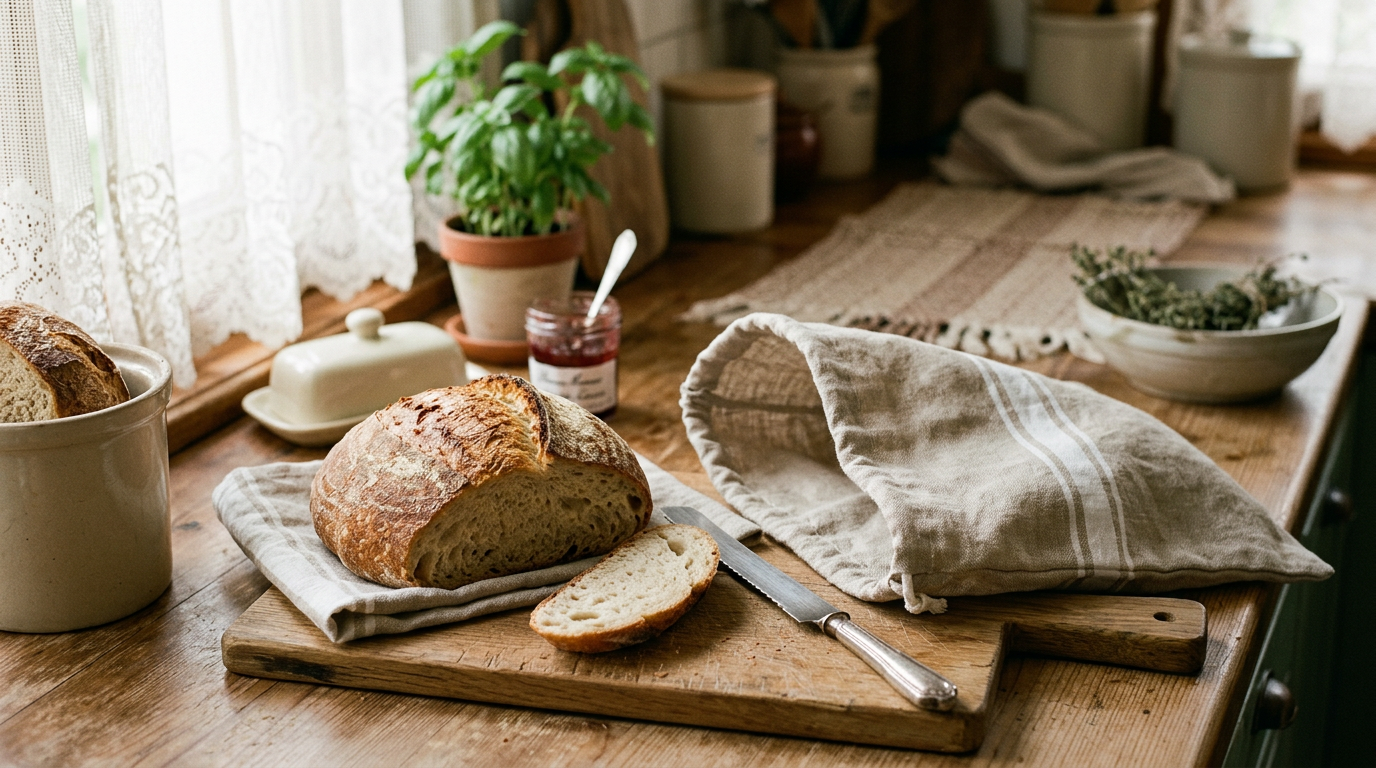
There's something quietly disappointing about reaching for a slice of bread only to find it's gone hard, or worse—discovering a spot of mold hiding inside what looked like a perfectly good loaf. Most of us have stood in our kitchens, bread knife in hand, wondering how this happened so fast. The truth is that bread storage seems simple on the surface, but there are real reasons why some loaves stay fresh for nearly a week while others deteriorate in two days. Understanding these reasons transforms how you approach storing bread in your home.
Bread is one of those foods that sits in a curious middle ground. It's not quite shelf-stable, not quite refrigerated, and definitely not frozen—at least not in the conventional sense. The way you store it depends on several factors: what kind of bread it is, how it was made, the climate in your kitchen, and how quickly you plan to eat it. Once you understand what's actually happening to bread as it ages, the right storage method becomes obvious.
Why Bread Goes Bad (And It's Not Always What You Think)
Bread stales through a process called retrogradation, which happens when the starch molecules in bread begin to crystallize and lose moisture. This is completely different from mold, which is a living organism that grows under certain conditions. Understanding the difference matters because they require different prevention strategies.
When you leave bread sitting on a kitchen counter in an open paper bag or uncovered, it loses moisture to the air. The crust becomes hard, and the interior becomes dry and crumbly. This staling process is actually faster at room temperature than it is in other conditions—a fact that surprises many people. The bread is literally drying out before your eyes, and there's nothing you can do to reverse it once it's happened.
Mold, on the other hand, thrives in warm, moist environments with poor air circulation. If your bread is stored in a sealed plastic bag in a humid kitchen, you're creating the perfect conditions for mold spores (which are always present) to germinate and spread. A loaf can look perfectly fine from the outside while mold is quietly colonizing the interior.
The irony is that the conditions that prevent one problem often encourage the other. A completely sealed environment prevents drying but promotes mold. An open environment prevents mold but accelerates staling. This is why there's no single perfect storage method—the right approach depends on your specific situation.
The Right Container Makes All the Difference
A bread box—that humble kitchen item many of us overlook—exists for genuinely good reasons. A proper bread box is designed to maintain a balance: it shields bread from the drying effects of open air while allowing just enough air circulation to prevent moisture from accumulating. If you have a quality bread box, use it. If you don't, this might be worth reconsidering.
For those without a bread box, the next best option is a paper bag, not plastic. Paper allows slow air exchange, which helps prevent the buildup of excess moisture while also slowing staling compared to completely open storage. The key is to fold the top closed—not seal it airtight, but fold it loosely so the opening is protected but air can still circulate.
Plastic bags are the enemy of freshness for most situations. They trap moisture directly against the bread, creating a greenhouse effect that encourages mold. The only exception is when you're specifically trying to preserve bread for longer than three or four days, in which case freezing (in a well-sealed plastic bag) becomes the better choice. But for short-term storage—the kind most households actually need—plastic sitting at room temperature is a losing strategy.
There's also the matter of cloth bread bags, which have become more popular in recent years. A quality linen or cotton bread bag can work reasonably well, though results vary based on the fabric's weave and your kitchen's humidity. The principle is the same as paper: you want breathability without complete exposure to air.
Location Matters More Than Most People Realize
Where you store bread in your kitchen has direct consequences for how long it stays fresh. The worst place is on top of the refrigerator—warm appliances create heat that accelerates staling. Equally bad is anywhere near the stove, where heat and steam from cooking create exactly the humid conditions that mold loves.
The best locations tend to be cool, dark places with stable temperatures. A pantry, a kitchen cabinet away from the stove, or even a deep drawer works well. The reason temperature stability matters is that temperature fluctuations cause condensation inside storage containers, which leads to both mold and faster staling. A spot that stays consistently room temperature all day is better than a spot that swings between warm and cool.
If you live in a humid climate—near the coast, or in a region where summer humidity runs high—you'll need to be more vigilant. Humidity accelerates mold growth, so you might find that even a bread box keeps bread for only four or five days instead of seven. This isn't a failure of the storage method; it's simply the reality of your climate. Accepting this and planning accordingly (buying bread more frequently in smaller quantities, or freezing it) is more practical than fighting the environment.
When to Freeze, and How to Do It Right
Freezing is genuinely useful for bread storage, but most people do it wrong or avoid it unnecessarily. Bread frozen immediately after purchase will stay perfectly usable for up to three months. The key is understanding that freezing doesn't preserve freshness in the sense of keeping bread in exactly the same state—it halts the staling process, which is different.
When you freeze bread, do it in a sealed plastic bag (here's where plastic is actually the right choice). Remove as much air as possible, either by pressing it out by hand or using a straw to suck out excess air before sealing. Write the date on the bag with a permanent marker. This seems tedious until you realize you can now buy good bread when you find it and not worry about it spoiling.
Thawing requires patience. Remove the bread from the freezer and let it thaw completely in its sealed bag at room temperature. This usually takes two to four hours depending on the loaf's size. The sealed bag prevents condensation from making the outside soggy during thawing. Once thawed, the bread should taste and perform almost exactly as it did when fresh.
Some people keep sliced bread frozen so they can remove individual slices as needed and toast them. This works reasonably well, though the texture of untoasted thawed bread can be slightly compressed compared to fresh. Toast, however, restores the crumb structure and makes frozen-then-thawed bread nearly indistinguishable from fresh.
Different Breads, Different Strategies
Not all bread is created equal, and storage should reflect these differences. A dense, moist sourdough has different storage needs than an airy, tender brioche.
Crusty artisan breads (baguettes, ciabatta, country loaves) develop their character through the interplay between a crispy crust and an open crumb. These are best stored unwrapped or in a paper bag for the first day, when the crust is still developing. After that, they should be wrapped or placed in a bread box to prevent the crust from becoming excessively hard. If the crust does harden, you can briefly wrap the loaf in a damp kitchen towel and place it in a warm oven (around 350°F) for a few minutes to refresh it. This actually works—the moisture from the towel softens the crust, and the heat reactivates the starches.
Soft sandwich breads (like grocery store white bread or soft whole wheat) often contain added fats and preservatives that help them stay soft longer. These actually do better in airtight conditions because their appeal depends on maintaining softness. A plastic bag or sealed container is appropriate, as long as you monitor for mold, which appears more quickly in these breads than in artisan varieties.
Sourdough and other slow-fermented breads develop complex flavors through extended fermentation, and they also tend to stay fresh longer than quick-rise breads. A paper bag or bread box is ideal. These breads develop an increasingly complex flavor as they age, so there's less of a rush to eat them. Many people actually prefer them a day or two old.
Whole grain and seeded breads contain oils in the grains and seeds that can go rancid over time, especially if stored warm. These benefit from freezing for longer-term storage more than other breads do. Short-term storage in a bread box is fine, but if you won't eat it within five days, freezing is a smart move.
A Note on Refrigeration
It's worth addressing the common practice of refrigerating bread, since many people do it. Refrigerator temperature (around 40°F) actually accelerates staling compared to room temperature. This is because the cold causes those starch molecules to crystallize faster. A loaf of bread kept in the refrigerator will become hard and dry within three or four days, while the same loaf at room temperature in a proper container might stay fresh for a week. The only exception is if you have very humid conditions and mold is becoming a real problem—in that case, refrigeration might be the lesser of two evils, even if it sacrifices some texture.
The Everyday Practice
Once you understand the principles, the daily practice becomes simple. Buy bread, place it in a paper bag or bread box, store it in a cool, dark location, and eat it within five to seven days. If you won't eat it in that timeframe, freeze it. If mold appears (check inside the bag occasionally), discard it immediately—mold spores spread quickly, and it's not worth the risk.
This isn't complicated, but it is intentional. It requires occasionally checking on your bread, being honest about how much you'll actually eat before it goes bad, and planning accordingly. These small habits—the kind that might have been passed down through families for generations—work because they're based on understanding how bread actually behaves.
The next time you buy bread, notice what's happening from the moment you bring it home. Feel the weight and texture. Smell it. Notice how it changes over several days. This attention, more than any rule, is what leads to better bread storage and the simple pleasure of good bread when you want it.
Related articles

How Slow Cooking Improves Focus
Understand why pace matters in food preparation.
9 Things You Should Never Put in the Dishwasher—And Why Hand Washing Matters
Some kitchen items deserve the gentle care of hand washing. Learn which treasured pieces to protect and why this simple practice preserves what matters most.
The One Food You Should Never Reheat—and Why It Matters More Than You Think
Some kitchen rules exist for good reason. Learn which common food poses real danger when reheated and why this matters for your family's health.