
Stop Wasting Money on These 8 Household Products—And What to Use Instead
Learn which common household products drain your budget while doing less than simpler alternatives, and discover time-tested swaps that work better and cost less.
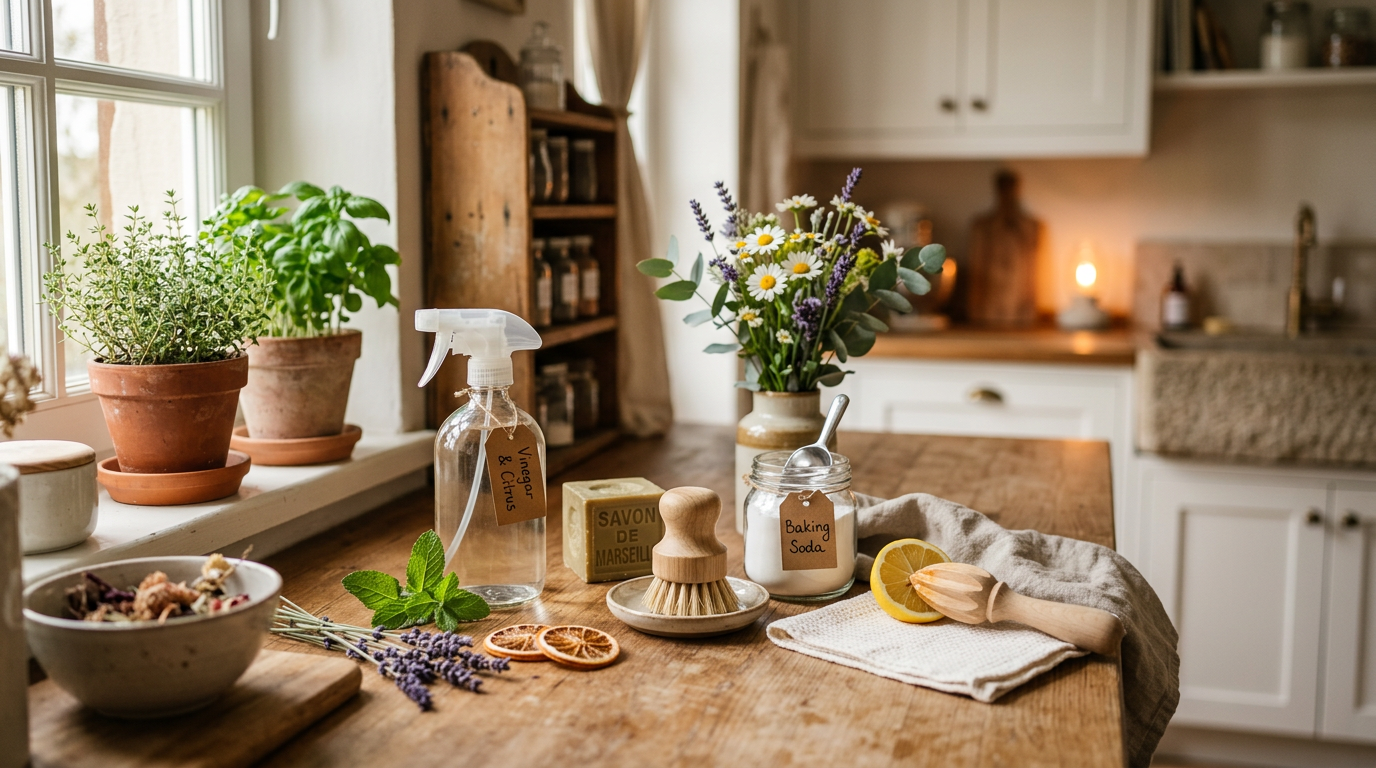
There's something deeply satisfying about discovering that a solution you've been buying at premium prices for years can be replaced by something sitting in your pantry for pennies. This isn't about deprivation or going without—it's about recognizing where marketing has convinced us to overcomplicate things, and returning to methods that have quietly worked for decades.
The habits of careful household management aren't about being cheap; they're about being intentional. When you stop buying products you don't need, you're not losing out—you're gaining clarity about what actually works in your home. And often, what works best is what's already there.
1. Commercial Fabric Softener and Dryer Sheets
Fabric softener is a masterclass in solving a problem that didn't really exist. The invention of synthetic fabrics created static and stiffness, and the solution was to wrap those fibers in a waxy coating that built up over time, reduced absorbency, and then required you to buy more products to strip it away. The cycle feeds itself.
White vinegar does what fabric softener claims to do—it actually does it better. A quarter cup added to the rinse cycle (or a small bowl placed in the dryer with damp clothes) softens fabric without coating it, reduces static, and costs roughly one-tenth the price. The vinegar smell disappears entirely once clothes are dry. There's no buildup, no reduced absorbency, no need for additional products to counteract it.
For static specifically, wool dryer balls work through actual physics rather than chemical coating. They tumble against clothes, separating them and disrupting the friction that creates static. They last for years, cost $10-15 for a set, and never need replacing. Toss one or two in the dryer with a damp cloth, and you have a reusable solution that requires zero ongoing spending.
2. All-Purpose Cleaners and Spray Bottles
The cleaning aisle has exploded into a specialized solution for every surface: one for wood, one for granite, one for glass, one for tile. Each promises something marginally different, each costs $3-6, and each sits under your sink gathering dust.
Castile soap and water solve nearly everything. Castile soap is vegetable-based, completely biodegradable, and so concentrated that a large bottle costs $8-10 and lasts months. Mix it with water (roughly one part soap to ten parts water, adjusted by feel), and you have a genuinely effective cleaner for kitchen counters, bathroom surfaces, floors, and windows. For stubborn grease, add a small squirt of vinegar. For cloudy windows, reduce the soap ratio and increase vinegar.
The reason this works where specialty cleaners sometimes feel necessary is understanding the actual mechanics: most household dirt is oil-based (dust, cooking residue, skin oils) and water-based (spills, minerals). Castile soap breaks down oils, vinegar cuts minerals and hard water stains, and water does the rest. Everything else is fragrance and marketing.
Keep one spray bottle. Refill it. This alone will simplify your home and reduce your spending significantly.
3. Expensive Hand Soaps and Body Washes
Liquid soap is diluted soap. When you buy a bottle of branded hand soap, you're paying for water, fragrance, and packaging. The active cleaning ingredient is identical whether it costs $1 or $8 per bottle.
Bar soap—plain, simple, inexpensive bar soap—cleans just as effectively and costs one-quarter the price per use. It lasts longer than liquid soap because you use less with each wash. It requires no fancy dispenser, no plastic bottle waste, and no complicated storage.
If you find bar soap drying, it's usually because you're using water that's too hot or because the soap itself lacks fat (glycerin). A quality bar soap with glycerin included will feel softer on skin than many expensive liquid washes. The difference is the oil content, not the price point.
Body wash is the same principle. A bar of soap works for your entire body. What feels like luxury is usually just fragrance and marketing. One bar of good soap costs less than a single expensive body wash and lasts longer.
4. Stain Removers
The stain removal industry thrives on specialized products: one for protein stains, one for grease, one for wine, one for fruit. What they're actually selling you is a small amount of enzyme or surfactant (detergent) in a bottle of solvent.
You already own better solutions: baking soda, vinegar, and salt. For fresh stains, the principle is speed and blotting, not chemistry. Remove excess, blot with cold water, and treat based on the stain type. Protein stains (blood, egg) respond to cold water and an enzyme cleaner—which you can make by letting a small amount of laundry detergent sit on the stain for 15 minutes before washing. Grease stains need dry treatment first: sprinkle baking soda on the spot, let it sit for 10 minutes to absorb oils, brush it away, then treat with a tiny amount of castile soap and water. Wine and fruit stains respond to salt (which absorbs moisture and prevents setting) followed by cold water rinse and vinegar treatment before washing.
The magic isn't in the product—it's in acting quickly, treating the right way for the stain type, and understanding that heat sets most stains while cold water loosens them.
5. Expensive Laundry Detergents
Modern laundry detergents are exceptionally efficient. You do not need premium brands or specialty formulas for clean clothes. The base ingredients—surfactants, water, and processing agents—are commodity items. Everything else is fragrance and brand positioning.
Mid-range or store-brand detergents clean equally well and cost half the price. The real variable in laundry isn't the product; it's the water temperature, the amount of detergent used, and whether clothes are actually dirty enough to require washing. Most people use twice as much detergent as necessary, which leaves buildup, reduces absorbency, and requires additional rinses.
Start with half the recommended amount. You'll be surprised how little detergent actually cleans clothes. Washing in cooler water saves energy and is gentler on fabric. For truly soiled items, pre-soaking in water with a small amount of detergent overnight is more effective than using more detergent in a regular wash.
6. Furniture Polish
Furniture polish is oil or wax suspended in solvent, usually with fragrance added. It costs $5-8 per bottle, clogs the wood pores with buildup, and requires frequent reapplication.
Mineral oil and vinegar do the actual work. A small amount of mineral oil on a soft cloth cleans and conditions wood without building up. Vinegar (diluted 1:1 with water) removes the gummy residue left by previous polish applications. For occasional maintenance, a cloth dampened with mineral oil wiped along the grain keeps wood looking warm and nourished. For truly dull surfaces that need restoration, the vinegar-mineral oil combination actually works better than specialty products because it cleans before conditioning.
The investment: one bottle of mineral oil ($3-4) and vinegar you already have. This lasts years.
7. Air Fresheners and Room Sprays
Commercial air fresheners work by coating your nasal passages with flavor compounds so you stop smelling odors, or by releasing fragrance molecules that mask underlying smells. Neither addresses the actual problem. They're also among the more chemically complex household products, often containing volatile organic compounds and undisclosed fragrance ingredients.
Better solutions: identify and remove the source of the smell (which usually means cleaning, airing out, or checking for mold), then address what remains with baking soda. Baking soda actually neutralizes odors rather than masking them. Sprinkle it on upholstered furniture, in trash cans, or in closed spaces. Leave it for 15 minutes, then vacuum. For fresher air, open a window. For ongoing freshness, keep a small dish of baking soda in problem areas.
If you want pleasant fragrance without chemicals, simmer water with vanilla extract, lemon peel, or cinnamon sticks on the stove. This creates actual pleasant smell through evaporation, not fragrance chemicals or nasal coating.
8. Paper Towels (Excess Rolls)
This one requires a shift in thinking rather than a product swap, but it's where many people waste significant money without realizing it. Paper towels are convenient, but they're also a recurring expense where cloth alternatives are a one-time investment.
Keep old cotton t-shirts or flannel sheets, cut into sizes suitable for cleaning and drying. Wash and reuse them. A dozen cloth cloths cost nothing if you're using existing fabric, and they last years. For the occasional job where you truly need disposable (food waste cleanup), use a single paper towel. Most household drying and cleaning works fine with cloth.
The shift means accepting that you'll rinse and wash cloths rather than throwing them away. Once that becomes routine, it doesn't feel inconvenient—it just feels normal, the way it was before paper towels were marketed as modern convenience.
The Pattern Worth Noticing
What connects all of these isn't that expensive products don't work. Most of them do work. The pattern is that they're solving problems in unnecessarily complicated ways, at unnecessary cost, with unnecessary frequency. They encourage you to buy more instead of use less, to buy specialized instead of versatile, to replace instead of maintain.
The household wisdom being referenced here isn't old-fashioned in the sense of outdated. It's old-fashioned in the sense of being tested, proven through decades of use, and therefore still relevant. These solutions work because they're based on actual cleaning chemistry and simple physics rather than marketing strategy.
When you stop buying these eight products, you're not making your home less pleasant or less clean. You're making a clear-eyed choice about where your money actually goes, and reallocating it toward things that matter more. That's not deprivation. That's freedom.
Related articles

How Slow Cooking Improves Focus
Understand why pace matters in food preparation.

9 Things You Should Never Put in the Dishwasher—And Why Hand Washing Matters
Some kitchen items deserve the gentle care of hand washing. Learn which treasured pieces to protect and why this simple practice preserves what matters most.
The One Food You Should Never Reheat—and Why It Matters More Than You Think
Some kitchen rules exist for good reason. Learn which common food poses real danger when reheated and why this matters for your family's health.