
Stop Throwing Away Banana Peels – Here's What Smart People Do With Them
A practical guide to getting real use out of banana peels — from the garden to the kitchen to everyday home care.
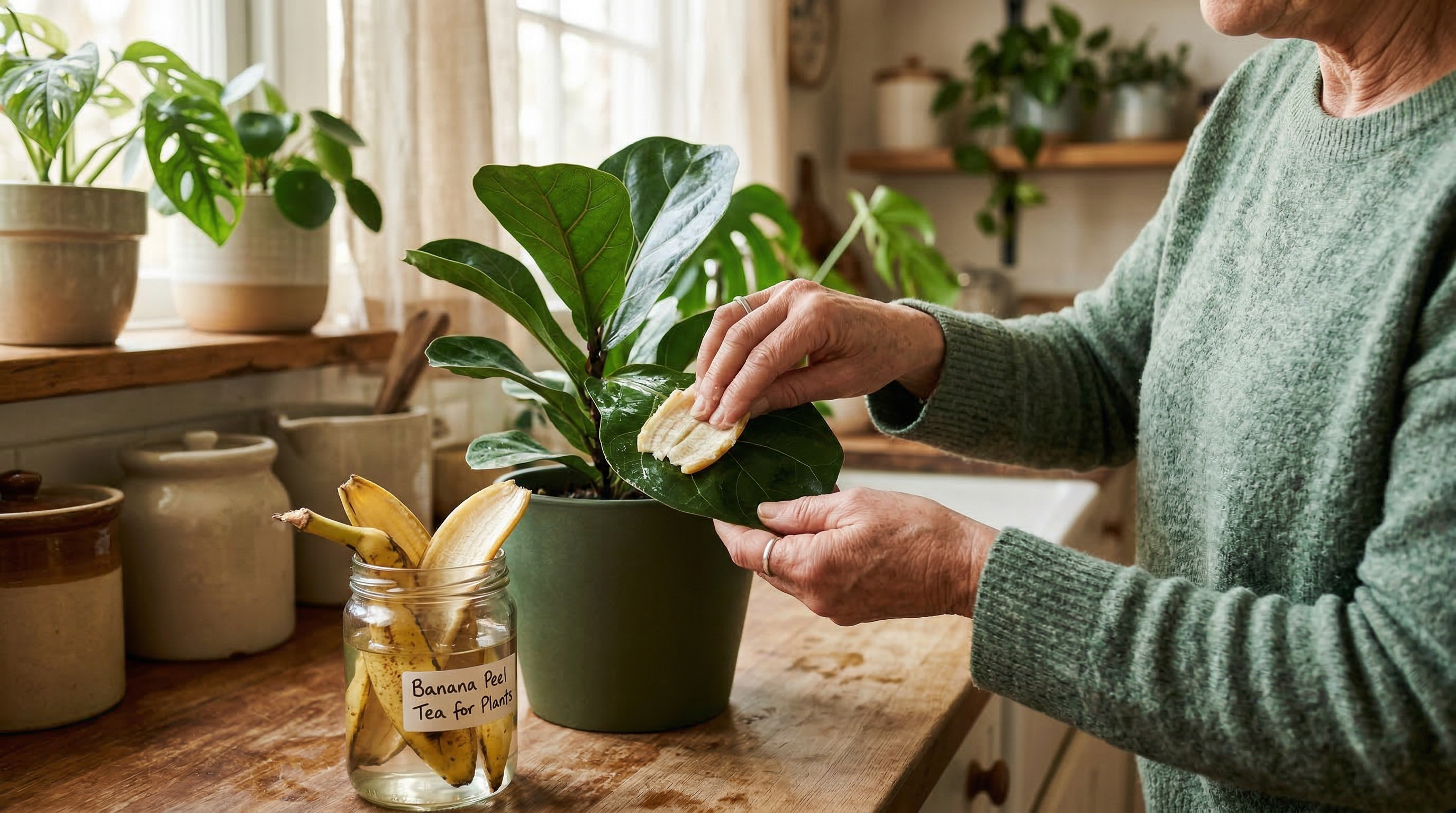
Every week, banana peels end up in the bin without a second thought. The banana gets eaten, the peel gets tossed — it's automatic. But that peel still holds a surprising amount of usefulness, and once that's understood, it becomes difficult to waste them the same way again.
Banana peels are rich in potassium, phosphorus, magnesium, and various plant-based compounds. These aren't just interesting facts — they translate directly into practical uses that actually work. The list is longer than most people expect, and many of the applications are simple enough to try today without any special equipment or preparation.
What Makes Banana Peels Worth Keeping
Before getting into specific uses, it helps to understand what a banana peel actually contains. The inner white layer — the part that touches the fruit — holds the highest concentration of potassium and natural oils. The outer skin contains antioxidants and mild acids. Both layers are useful depending on the application.
Ripe, yellow peels are softer and slightly sweeter. They're better suited for skin applications and cooking uses where a mild flavor is acceptable. Firm, green peels have a starchier texture and more neutral flavor, making them well-suited for savory cooking and garden use. Knowing which type of peel to reach for makes each use more effective.
In the Garden
Direct Soil Fertilizer
Potassium is one of the three essential nutrients that plants need alongside nitrogen and phosphorus. Most garden soils benefit from a regular potassium boost — especially for flowering plants, tomatoes, peppers, and root vegetables like carrots and beets. Banana peels are a free, consistent source of it.
The simplest method is to bury small pieces of peel directly into the soil near plant roots. They break down over a few weeks, slowly releasing nutrients as they decompose. Avoid burying them directly against stems — a few centimeters away from the base is the right distance. As the peels break down, they also improve the texture of the surrounding soil, which helps roots expand more easily.
Another method is to soak peels in water for 24 to 48 hours, then use the water to feed plants. The liquid absorbs a portion of the mineral content and delivers it gently to the roots. This is particularly effective for container plants and houseplants that can't draw nutrients from a wider bed of soil.
Composting the Right Way
Banana peels are a strong addition to any compost pile. They count as a green material — high in nitrogen and moisture — which means they need to be paired with drier brown materials to keep the pile balanced. Cardboard, dried leaves, and straw all work well as counterparts. The right ratio of green to brown keeps a compost pile breaking down efficiently without turning wet, slimy, or smelly.
Whole peels can take longer to break down than small pieces. Chopping or tearing them before adding to the pile significantly speeds up decomposition. In a warm, active pile, torn pieces can fully break down in two to three weeks.
Reducing Aphids
Aphids avoid the compounds found in banana peel. Placing small pieces of peel on the soil surface near affected plants — or burying them just below the surface — can help reduce aphid populations over time. It's not an instant solution, but it's a useful passive measure when combined with regular plant care.
Some gardeners dry banana peels and grind them into a powder, then sprinkle the powder around vulnerable plants. Drying concentrates the active compounds and makes storage simple — a dried peel takes up very little space and keeps for several weeks in an airtight container.
Around the House
Polishing Leather Shoes and Bags
The inner side of a banana peel contains natural oils and tannins that can restore a gentle shine to leather. Rubbing the white side across a clean leather surface in small circular motions deposits a thin layer of these compounds. After applying, buff with a dry cloth. The peel won't replace a dedicated leather conditioner for deep conditioning, but for a quick between-care polish that prevents leather from looking dull and dried out, it performs well.
This works on leather shoes, bags, belts, and other accessories. The key is using a fresh peel — a dried or very old peel has lost most of its oils and won't have the same effect. Wipe away any obvious residue from the fruit itself before using the peel, so it doesn't leave sticky spots on the leather.
Cleaning Houseplant Leaves
Dust accumulates on plant leaves over time and reduces the plant's ability to absorb light efficiently. A gentle wipe with the inside of a banana peel cleans the surface and leaves a very slight natural sheen that doesn't block the leaf's pores. It's a softer approach than commercial leaf shine sprays, which can leave a waxy buildup that actually interferes with the plant's gas exchange over time.
This works especially well on broad-leafed plants — monstera, rubber plants, fiddle-leaf figs, and peace lilies respond particularly well. Wipe once in a smooth motion from the base of the leaf toward the tip, following the natural direction of the leaf. There's no need to rinse afterward.
Polishing Tarnished Silver
A banana peel blended with a small amount of water into a smooth paste can gently lift tarnish from silver. The mild acids help dissolve surface discoloration without the harshness of commercial silver polishes. Apply with a soft cloth, rub gently in small circles, then rinse thoroughly and dry immediately to prevent water spots.
This approach is best suited for lightly tarnished pieces or items that get polished frequently enough that aggressive chemical cleaners would wear them down over time. For deep, old tarnish that has turned black, a proper silver-specific cleaner will do a better job. But for spoons, small frames, jewelry clasps, and decorative items that just look a little dull, the banana peel paste is a practical and gentle option.
For Skin and Body
Soothing Minor Skin Irritations
Banana peels have a long history of being applied to irritated skin. The inner layer contains lutein, various antioxidants, and enzymes that have mild anti-inflammatory properties. For small insect bites, minor rashes, or skin that feels tight and hot after sun exposure, holding the cool inside of a fresh peel against the affected area for a few minutes can ease redness and calm discomfort.
Keeping expectations realistic matters here. This isn't a treatment for anything serious. But for the small irritations of daily life — a mosquito bite that won't stop itching, a patch of skin that reacted to a new fabric, a spot of mild sunburn — the peel provides genuine, if temporary, relief.
Reducing Puffiness Around the Eyes
Chilled banana peel strips placed over closed eyes work in a similar way to cool cucumber slices. The potassium content and natural moisture in the peel help calm the tissue around tired eyes and temporarily reduce puffiness that builds up from long hours of reading, poor sleep, or extended time in front of a screen.
Chill the peel in the refrigerator for at least 30 minutes. Cut two strips, lie down somewhere comfortable, and rest the strips gently over closed eyes for 10 to 15 minutes. This is a quiet, restful ritual that costs nothing and requires only a bit of planning ahead. The cold itself helps reduce swelling, and the peel's natural compounds add a gentle supportive effect.
Moisturizing Dry Skin Patches
The natural oils in a fresh banana peel can add temporary moisture to dry patches — particularly elbows, heels, and hands that have been exposed to cold air or washed frequently. Rub the inside of the peel across the dry area, let it sit for 10 to 15 minutes, then rinse with cool water.
In winter, when skin loses moisture quickly and hangs on to dryness between applications of lotion, this can be a helpful between-care treatment. The skin absorbs what it can use, and the rest rinses away cleanly without leaving a film or residue.
In the Kitchen
Cooking with the Peel
Banana peels are edible and used in cooking traditions across South and Southeast Asia, South America, and parts of Africa. This surprises most people in Western countries where peels are treated purely as waste, but once the technique is understood, it opens up a genuinely useful ingredient.
Green, unripe peels have a firmer, starchier texture and an almost neutral flavor. They work well in savory applications — sliced thin and sautéed with garlic, onion, and spices, they take on flavor readily and add a satisfying chew to vegetable dishes and stir-fries. Cooked in a curry, they become almost indistinguishable from other vegetables in the pot.
Ripe, yellow peels are softer and carry more natural sweetness. A small amount added to banana bread batter alongside the flesh makes the loaf denser and more intensely flavored. They can also be blended into smoothies in small quantities — the riper the peel, the less bitter the taste will be. Starting with a quarter of a peel per smoothie is a reasonable place to begin.
Washing the peel thoroughly before cooking is important. Rubbing with a vegetable brush under running water removes any surface residue. Organic bananas are preferable when cooking with the peel, since the outer skin of conventional bananas may carry pesticide residue that even thorough washing won't fully remove.
Keeping Brown Sugar Soft
Brown sugar hardens when exposed to air, turning from a soft, scoopable texture into a solid brick that crumbles and resists measuring. A strip of fresh banana peel placed inside the sugar container slows this process significantly. The peel releases a small, consistent amount of moisture into the enclosed space, preventing the sugar from drying out and clumping.
Replace the strip every few days once it starts to dry out — a fresh strip continues to work; a dry one no longer releases moisture. This is a more reliable method than leaving a piece of bread in the container, since the peel doesn't absorb flavor from the sugar or impart any banana taste in return.
Tenderizing Tough Meat
Banana peels contain naturally occurring enzymes that help break down protein fibers. Adding a piece of peel to a slow braise or a covered pot of stewing meat during cooking allows these enzymes to work on the surrounding protein as the temperature climbs. The peel is removed before serving — it's the enzyme activity during cooking that matters, not the peel itself in the finished dish.
This technique is most effective for budget cuts that need long cooking times to become tender — braising cuts like chuck, shank, or brisket. The improvement is subtle but noticeable, particularly with cuts that can resist softening even after several hours in the pot. One or two pieces of peel per batch is enough; adding more doesn't increase the effect.
Building the Habit
Making It Part of the Routine
The biggest obstacle to using banana peels is simply the automatic motion of discarding them. The banana gets peeled, the hand moves to the bin, and it's done before any other thought has a chance to form. Changing this requires creating a small pause — a moment to decide where the peel actually goes.
Keeping a small bowl near the fruit bowl for peels, or laying them on the counter while finishing the banana, creates a brief window before the decision is made. Over time, this becomes second nature. Some days the peel feeds the garden; some days it goes in compost; some days it gets used on a houseplant or rubbed across a pair of shoes. The goal isn't to find a use for every single peel — it's simply to stop treating them as automatically worthless.
Storing Peels for Later
Fresh peels are best for skin care, shoe polishing, and plant watering. They keep in the refrigerator for up to three days without losing much usefulness. For garden applications, freshness matters less — older or partially dried peels still hold enough nutrients to benefit soil and compost.
Peels can also be dried completely — in an oven on the lowest setting, or simply left out in a warm, dry spot for several days — and then ground into a fine powder. This powder stores well in a jar, takes up very little space, and can be stirred into potting soil, sprinkled around plants, or dissolved in water for a slow-release fertilizer. It's a practical way to use peels that have been sitting in the refrigerator a bit too long for other purposes.
Passing the Knowledge Along
Sharing practical household knowledge with others is one of the most effective ways to make it last. When younger family members or friends see a banana peel being used to polish a leather shoe or feed a houseplant, the sight itself makes an impression that sticks far longer than a passing conversation about it.
The kitchen and the garden are among the best environments for this kind of informal, demonstrated learning. Tasks done side by side, with real materials and visible results, tend to stay with people. The knowledge that once felt like a small discovery eventually becomes an ordinary part of how a household runs — passed forward without being taught explicitly at all.
Related articles

How Slow Cooking Improves Focus
Understand why pace matters in food preparation.

9 Things You Should Never Put in the Dishwasher—And Why Hand Washing Matters
Some kitchen items deserve the gentle care of hand washing. Learn which treasured pieces to protect and why this simple practice preserves what matters most.
The One Food You Should Never Reheat—and Why It Matters More Than You Think
Some kitchen rules exist for good reason. Learn which common food poses real danger when reheated and why this matters for your family's health.