
If Your Towels Feel Hard After Washing, This Simple Trick Fixes It
Learn why towels turn stiff and scratchy, and the time-tested methods that actually restore them to cloud-soft comfort without harsh chemicals.
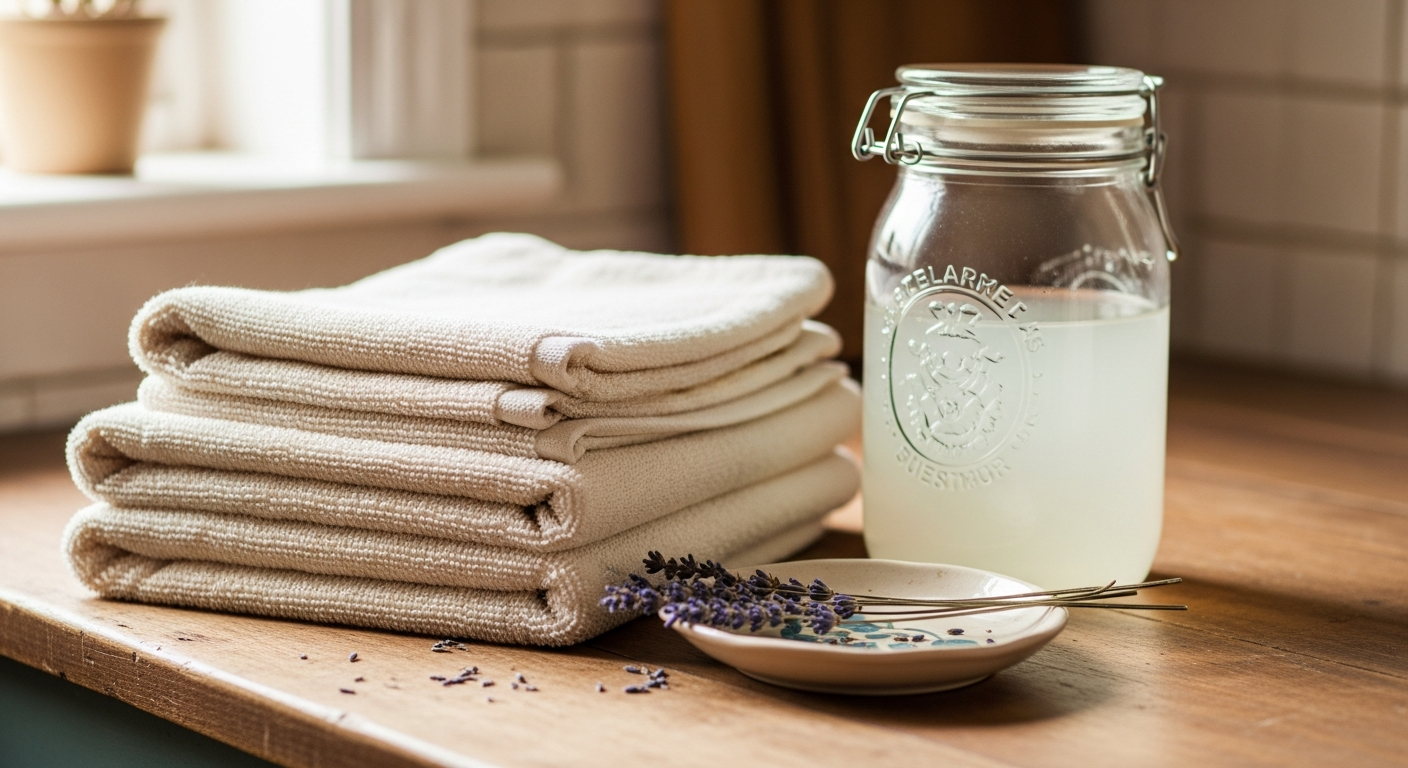
There's something deeply unsatisfying about reaching for a towel fresh from the dryer only to find it feels more like burlap than the soft, absorbent fabric you remember. Hard, scratchy towels are one of those household frustrations that sneaks up gradually—one day you have beautiful towels, and the next they've become practically unusable. But here's what matters: this isn't permanent damage, and you don't need to replace your towels or buy expensive specialty products to fix it.
The solution lies in understanding why towels become stiff in the first place, then addressing the root cause with methods that have worked for decades. Once you understand the mechanics, you'll realize this is less about having a secret formula and more about working with how fabric actually behaves.
Why Towels Turn Hard: The Real Culprits
Most people blame the dryer or assume they need to buy "premium" towels that stay soft longer. The actual story is more nuanced. Towel hardness develops through a combination of factors, and usually it's not just one thing—it's how several things interact over time.
The primary culprit is mineral and detergent buildup. Every time you wash towels, detergent residue can accumulate in the fibers, especially in the inner core of the towel where water doesn't fully rinse away. Hard water makes this worse significantly—minerals in the water bond with soap, creating a coating that stiffens the fabric. Unlike cotton clothing that sits relatively flat, towel loops trap water and soap particles in their structure, making them especially vulnerable to this accumulation.
A secondary issue is moisture retention and the drying process. Towels are designed to absorb water, but when they're not fully dried or when humidity stays trapped in the fibers, bacteria and mildew can develop. Even if it's not visible or smelly, this microbial growth changes the texture of the fiber. Additionally, towels dried on high heat can cause the outer fibers to set in a rough position before the inner moisture fully escapes, essentially locking in stiffness.
Finally, fabric softener—ironically—contributes to the problem. Commercial fabric softeners coat fibers with a waxy substance designed to feel smooth initially. Over time, this coating builds up, reduces absorbency, and paradoxically makes towels feel stiffer and less functional. The coating also prevents proper water penetration and rinsing in subsequent washes, compounding the problem.
The Vinegar and Baking Soda Reset
This is the most reliable method for restoring towels, and it addresses multiple problems at once. It's not a quick cosmetic fix—it actually removes the buildup that's causing stiffness.
Wash your towels in hot water with half a cup of white vinegar and no detergent. The vinegar serves several purposes: it dissolves mineral deposits from hard water, breaks down detergent residue, kills bacteria that contribute to stiffness, and neutralizes odors without adding new chemicals. The acidity matters—this isn't about the smell (which disappears during drying), it's about the chemical reaction that strips away accumulation.
Run the wash cycle normally. You might notice the water looks slightly cloudy or discolored—that's the minerals and soap residue washing away. This is actually reassuring; it means it's working.
In the rinse cycle, add half a cup of baking soda. Baking soda further neutralizes any remaining acidic residue from the vinegar and acts as a gentle abrasive that helps fluff the towel fibers. It also absorbs any lingering odors. Don't skip this step—the combination of vinegar followed by baking soda is more effective than either alone.
Dry the towels on medium heat or line dry if possible. Medium heat is important because it allows the fibers to fully dry without being harmed by excessive temperature. If you line dry, they may feel slightly stiff initially, but this resolves within a few hours once they're fully dry and the fibers relax.
For heavily damaged towels, you might need to repeat this process twice. The first wash removes surface buildup; the second removes deeper accumulation. You'll notice improvement after the first wash, but the second makes a significant difference.
Prevention: The Regular Maintenance Approach
Once your towels are soft again, the goal is preventing re-stiffening. This requires understanding your specific water and washing situation, then adjusting accordingly.
If you have hard water (visible mineral deposits on fixtures, soap that doesn't lather well, or spotty glassware), you should incorporate a vinegar wash into your towel routine regularly—perhaps monthly or every other month depending on severity. This doesn't need to be a full reset wash; just a cup of vinegar with regular detergent can maintain the fibers.
If you have soft water, you might need this less often, but buildup still happens gradually. Many people find that using about one-third less detergent than the bottle recommends helps significantly. Standard detergent recommendations are designed for average washing machines and average soil levels—towels typically don't need as much as the bottle suggests, and excess detergent creates excess residue.
Never use fabric softener on towels. This is non-negotiable if you want them to remain absorbent and soft. The waxy coating reduces water absorption and creates the very stiffness you're trying to prevent. If towels feel too rough while wearing fabric softener, that's a sign to stop, not to use more.
Ensure your dryer vent is clean. A clogged vent means moisture lingers in towels, and they never fully dry. This creates a damp environment where stiffness sets in. Clean your dryer vent at least twice yearly.
The Water Temperature Question
Warm or hot water actually helps prevent buildup better than cold water. Cold water doesn't dissolve minerals and soap residue as effectively, so they accumulate faster. However, hot water also fades towels more quickly over time. The compromise many households find practical is using warm water for towels specifically, while washing other items in cold water.
If you're concerned about fading, washing in warm water with a slightly lower detergent amount still produces better results than cold water with standard amounts. The trade-off is worthwhile because a slightly faded soft towel is more pleasant to use than a darker stiff one.
When Towels Are Beyond Saving
Some towels, usually very old or made from lower-quality cotton blends, won't fully recover even with the vinegar and baking soda treatment. If after two reset washes they're still uncomfortably rough, they've likely reached the end of their life. The fibers themselves have deteriorated or the blend includes synthetic material that doesn't respond to this treatment.
This is actually information worth knowing: it tells you which towels are worth the maintenance effort. High-quality all-cotton towels respond beautifully to these methods. Lower-quality towels might not, which means they weren't worth keeping anyway.
Small Details That Matter
Don't wash towels with clothing—they shed lint and the moisture needs of each are different. Wash towels separately, or at minimum with only similar items like sheets or robes.
Shake out towels vigorously before putting them in the wash and again before the dryer. This removes loose fibers and helps reset the nap of the towel fibers before they're exposed to heat.
Store dried towels in a well-ventilated space. Bathrooms are often humid, and moisture in storage can reactivate that stiffness. If possible, store towels in a linen closet with air circulation rather than under the sink or in a damp bathroom closet.
If you notice hardness returning quickly after a reset wash, it usually means your detergent amount is still too high or your water is very hard and needs more frequent vinegar washes. Adjust accordingly based on what you observe.
The Satisfaction of Simple Solutions
What makes this approach worth understanding is that it demonstrates how taking care of household items doesn't require buying more products—it requires understanding how things work. Hard towels aren't a sign you need new ones; they're feedback from your current situation telling you something about your water, your detergent amount, or your drying method.
Once you've reset a set of towels and established a maintenance routine, you'll have genuinely soft, absorbent towels for years. That simple comfort—reaching for a towel after a shower or bath and having it feel truly pleasant—is worth the small effort of understanding these mechanics.
The next time you use your towels, you'll notice the difference. Soft towels that actually absorb water properly feel like a small luxury, but they're really just the result of knowing what's actually happening in your wash machine and taking appropriate action.
Related articles

How Slow Cooking Improves Focus
Understand why pace matters in food preparation.

9 Things You Should Never Put in the Dishwasher—And Why Hand Washing Matters
Some kitchen items deserve the gentle care of hand washing. Learn which treasured pieces to protect and why this simple practice preserves what matters most.
The One Food You Should Never Reheat—and Why It Matters More Than You Think
Some kitchen rules exist for good reason. Learn which common food poses real danger when reheated and why this matters for your family's health.