
15 Simple Ways to Save Money at the Supermarket
Thoughtful shopping strategies rooted in patience and planning—not deprivation—that quietly reduce your grocery bill week after week.
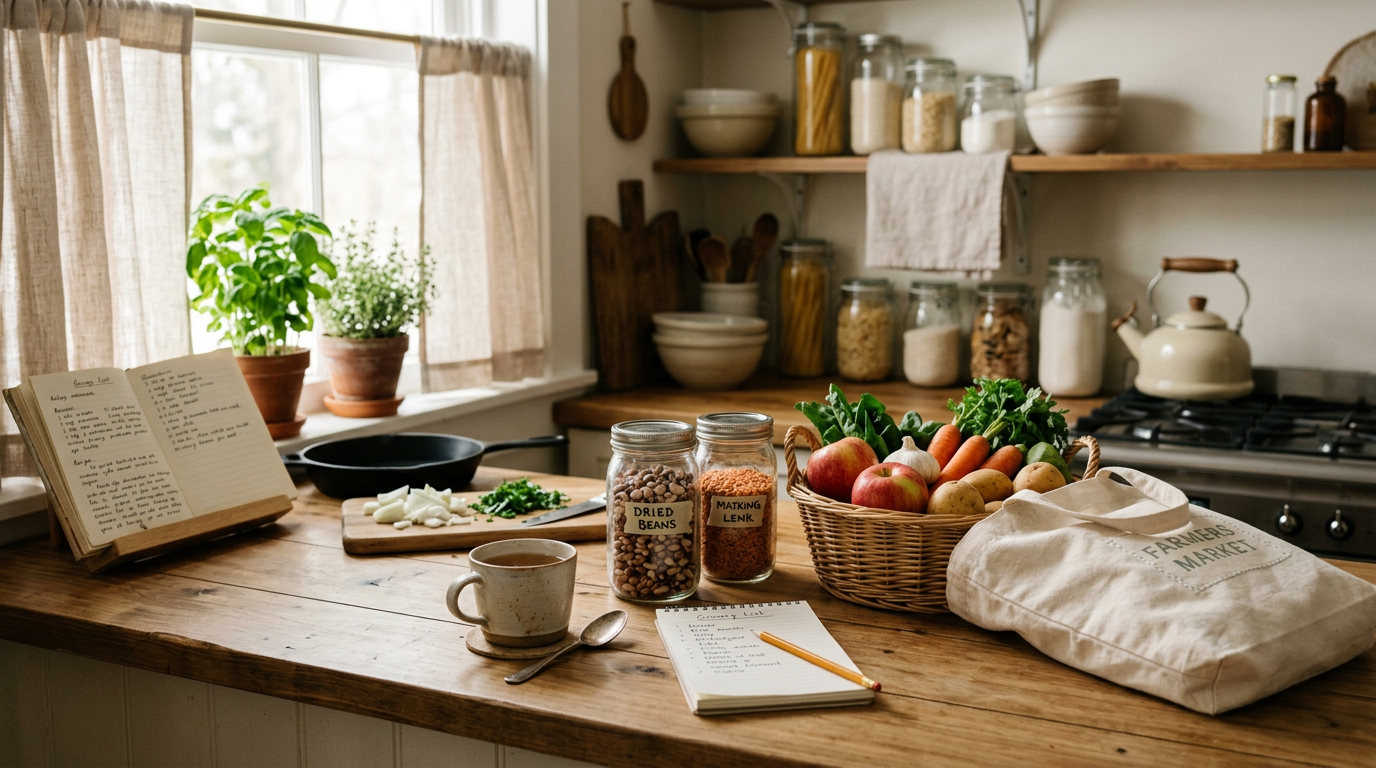
There's a peculiar kind of satisfaction that comes from walking out of the grocery store knowing you spent less than you expected, and came home with exactly what you needed. It's not about feeling deprived or eating poorly. It's about being intentional—about understanding how a supermarket works, how your own habits work, and where the small leaks in your budget actually are.
The difference between people who consistently spend less on groceries and those who don't usually isn't willpower or sacrifice. It's system. It's knowing where to look, when to buy, and why certain choices make sense while others don't. These are the kinds of habits that, once built into your routine, require very little ongoing effort. They become simply how you shop.
Start with a Real Plan
The most important money-saving tool isn't a coupon app or a calculator. It's a meal plan written down before you ever leave home. This sounds obvious, but it's remarkable how many people arrive at the store without clarity about what they're actually cooking this week.
When you plan your meals first, you're not shopping by appetite or impulse. You're shopping by intention. You know you need chicken thighs for Monday, ground beef for Wednesday tacos, and fish for Friday. You already know what vegetables you'll use. This isn't about rigid meal planning; it's about having a rough map so you're not wandering the aisles wondering what sounds good.
The real power of meal planning shows itself in what you *don't* buy. Without a plan, a shopper might buy interesting vegetables, specialty sauces, and proteins that seemed appealing in the moment—but then they go unused, get forgotten in the back of the refrigerator, and end up in the trash. That's not saving money. That's the opposite.
Keep a Running List in Your Kitchen
Maintain a small notebook or note on your phone in a dedicated spot in your kitchen. Every time you use the last of something, or notice you're running low, write it down. Don't rely on memory. Don't wait until Sunday to try to remember what you need.
This serves two purposes. First, you won't forget items and have to make a second trip or pay for expensive substitutes. Second, and more importantly, you'll develop a realistic sense of what you actually use. Over time, this becomes invaluable information. You'll notice patterns: how long your milk actually lasts, whether you really use that fresh basil before it wilts, how many eggs your household goes through in a week. This knowledge is what separates genuine planning from guessing.
Understand the Store's Layout Purpose
Supermarkets are deliberately designed to encourage spending. The produce section comes first because it looks abundant and colorful and makes you feel like you're starting healthy. The bakery and deli sections waft their aromas toward you. The most profitable items are at eye level. Cheaper staples are on the bottom shelf, often literally at your feet where you have to crouch to find them.
Simply being aware of this isn't cynical—it's just understanding the space you're in. When you realize that items at the end caps of aisles are often there because the store made a deal with the manufacturer (not because they're deals for you), you stop being drawn to them. When you know that seasonal items appear in specific locations, you can navigate more efficiently. You're not fighting the store's system; you're just not letting it control your choices unconsciously.
Shop the Perimeter, But Thoughtfully
You've probably heard that fresh food around the edges is better than processed food in the middle. That's true, but it's not quite as simple as "only buy around the perimeter." Some items in the aisles—bulk grains, dried beans, canned tomatoes, frozen vegetables—are genuinely economical and wholesome.
Instead, think of it this way: shop the perimeter *first* for fresh proteins and produce, then visit the aisles *selectively* for specific items you planned to buy. You're not avoiding the middle; you're just not browsing it for inspiration. The browsing is where money leaks away.
Buy Proteins on Sale and Freeze Them
Meat, chicken, and fish often go on sale on a predictable cycle. Chicken tends to be cheaper in fall. Ground beef rotates on sale regularly. Fish prices fluctuate with season and availability. If you notice a really good price on something you eat regularly, buy extra and freeze it.
This requires a small amount of planning and freezer space, but it's one of the most reliable ways to reduce your protein costs over time. A chicken thigh at a sale price, frozen properly, is just as good three weeks later. You're not being wasteful or paranoid; you're simply shopping smart based on supply and demand, which is something stores do constantly with their own inventory.
Choose the Right Cuts and Forms
Bone-in, skin-on chicken thighs cost much less per pound than boneless, skinless breasts—and they're more flavorful and stay moist longer when cooked. Ground meat you can grind yourself from tougher cuts is cheaper than pre-ground. Whole fish is less expensive than fileted fish. A whole pumpkin costs a fraction of canned pumpkin puree.
The trade-off is a small amount of your time and effort. You debone the thighs, you run tougher meat through a grinder, you fillet the fish yourself. But these are useful skills that also give you a real sense of where your food comes from. And the money saved is real—often 30 to 50 percent less for the same ingredient in a less convenient form.
Befriend Your Freezer
A freezer is a tool for frugality, not just convenience. Bread freezes beautifully and defrosts in time for toast. Berries frozen at peak season taste better in January than fresh but pale berries shipped from far away. Vegetable scraps accumulate in a bag and become stock. Cooked grains freeze in portions and reheat easily.
The psychology of a well-stocked freezer is also important. When you know you have ingredients at home, you're less tempted to buy expensive convenience foods or order takeout because "there's nothing to cook." Your freezer gives you options, which gives you agency over your spending.
Buy Seasonal Produce
Strawberries in December aren't just expensive—they often don't taste good because they've traveled far and been picked before ripe. The same strawberries in June, grown locally or regionally, cost less and taste vastly better. This isn't romantic or trendy advice; it's economics. When produce is in season locally, supply is high and prices are low.
Learning what's in season in your region—and cooking around it—is how people have eaten affordably and well for all of history. You don't need to be rigid about it. But if you notice that tomatoes are suddenly cheap in August and watermelon is $2.50 in July, you're noticing the natural rhythm that will save you money if you work with it instead of against it.
Don't Assume Organic Always Costs More
Sometimes it does. Sometimes it doesn't. Store-brand organic eggs, for instance, are often the same price as conventional, because the certification and scale work out. Seasonal organic produce can be cheaper than shipped conventional produce. Organic dry goods like beans and grains are sometimes quite reasonably priced if you buy store brand.
The point is: don't make decisions based on a rule you've internalized. Look at actual prices. Decide what matters to you—whether that's organic, local, conventional, or something else—and buy what aligns with your values *and* your budget. That's informed decision-making, not false economy.
Understand Unit Price
The price per ounce or pound, printed on the shelf tag, tells you far more than the package price. A large container of yogurt might cost $5 but be $0.40 per ounce, while an individual cup costs $1.50 and is $1.50 per ounce. The bulk item is genuinely cheaper, and that math is right there on the label.
Bigger isn't *always* cheaper—sometimes a manufacturer prices bulk items higher as profit. But the unit price takes the guessing out of it. When you're comparing options, it's the only number that actually matters.
Skip Pre-Cut and Pre-Prepped When Possible
A whole head of lettuce costs less and lasts longer than pre-washed lettuce. Whole carrots cost less than baby carrots (which are just whole carrots whittled down). A block of cheese costs less than shredded cheese, and shredding it yourself takes 90 seconds.
This isn't about suffering or being difficult. It's about understanding where your money goes. You're paying for labor and packaging when you buy pre-prepped foods. Sometimes that's worth it—if the alternative means you don't eat the vegetable at all because it's too much work. But often, a few minutes of your time saves real money, and it's a trade you can make consciously instead of by habit.
Use the Self-Checkout Strategically
This sounds odd, but self-checkout can actually help you spend less if you use it intentionally. You scan each item as you put it in your cart, and seeing the running total accumulate makes you very aware of your spending in real time. When you see the total climbing, you're more likely to put something back. You're engaged in the transaction instead of distracted, so impulse purchases are less likely.
This isn't true for everyone, but if you tend to spend more than you intend, trying self-checkout for a few trips might reveal how much awareness affects your choices.
Know What Not to Buy Generic
Store-brand items are usually excellent and cost significantly less. But there are a few things where brand quality genuinely matters to taste or function: vanilla extract, good olive oil, certain spices if you use them frequently, flour for baking. A poor-quality vanilla extract tastes distinctly off. Cheap olive oil has a rancid flavor that good oil doesn't have.
However—and this is important—you don't need to buy these things often. A bottle of good vanilla extract lasts a year or more. A decent olive oil lasts months. You're making a small investment in items you use regularly, not buying premium everything. The money you save on everything else makes this affordable.
Shopping When Hungry is Actually a Thing
This is one of those pieces of advice that's repeated so often it sounds clichéd, but it persists because it's true. When you're hungry, everything looks appealing. You're more likely to grab snacks, prepared foods, and special treats. When you've eaten, you can evaluate purchases on their actual merit instead of your current appetite.
A small meal or substantial snack before shopping—even 20 minutes before—shifts your entire approach. You're making decisions from a place of satiation, not want. That's not willpower; it's just basic physiology.
Watch for Price Increases Disguised as Repackaging
Sometimes a product's package gets slightly smaller but the price stays the same, which is a hidden price increase. Sometimes a package that looks the same actually contains less. Over time, this adds up to spending more for less.
The only defense is the unit price and your own attention. When you buy the same brands regularly, you develop a sense of normal. You might notice that something that used to be 16 ounces is now 14 ounces, or that the package somehow feels lighter. It's not paranoia; it's paying attention, and it's one of the few ways you can push back against invisible inflation.
Build a Small Pantry Buffer
This is the foundation that makes all the other strategies work. A pantry with basics—canned tomatoes, dried beans, rice, pasta, a few spices, good salt, oil—means you're never in a position where you *have* to buy something expensive because you have nothing to cook with.
You don't need to build this overnight. Every shopping trip, buy one or two pantry items you use regularly on a quiet sale. Over a few months, you'll have a buffer. Then, future sales on these items are optional, not necessary. You're buying because it's a good price, not because you desperately need it today.
This quiet kind of preparation is how steady saving actually happens. It's not flashy. It's patient. It's just building structure that makes your life—and your spending—more stable week after week.
Related articles

How Slow Cooking Improves Focus
Understand why pace matters in food preparation.

9 Things You Should Never Put in the Dishwasher—And Why Hand Washing Matters
Some kitchen items deserve the gentle care of hand washing. Learn which treasured pieces to protect and why this simple practice preserves what matters most.
The One Food You Should Never Reheat—and Why It Matters More Than You Think
Some kitchen rules exist for good reason. Learn which common food poses real danger when reheated and why this matters for your family's health.