
The Best Way to Remove Stubborn Stains (Almost Nobody Knows This)
Forget the expensive stain removers. Learn the patient, methodical approach that actually works on the stains that refuse to budge.
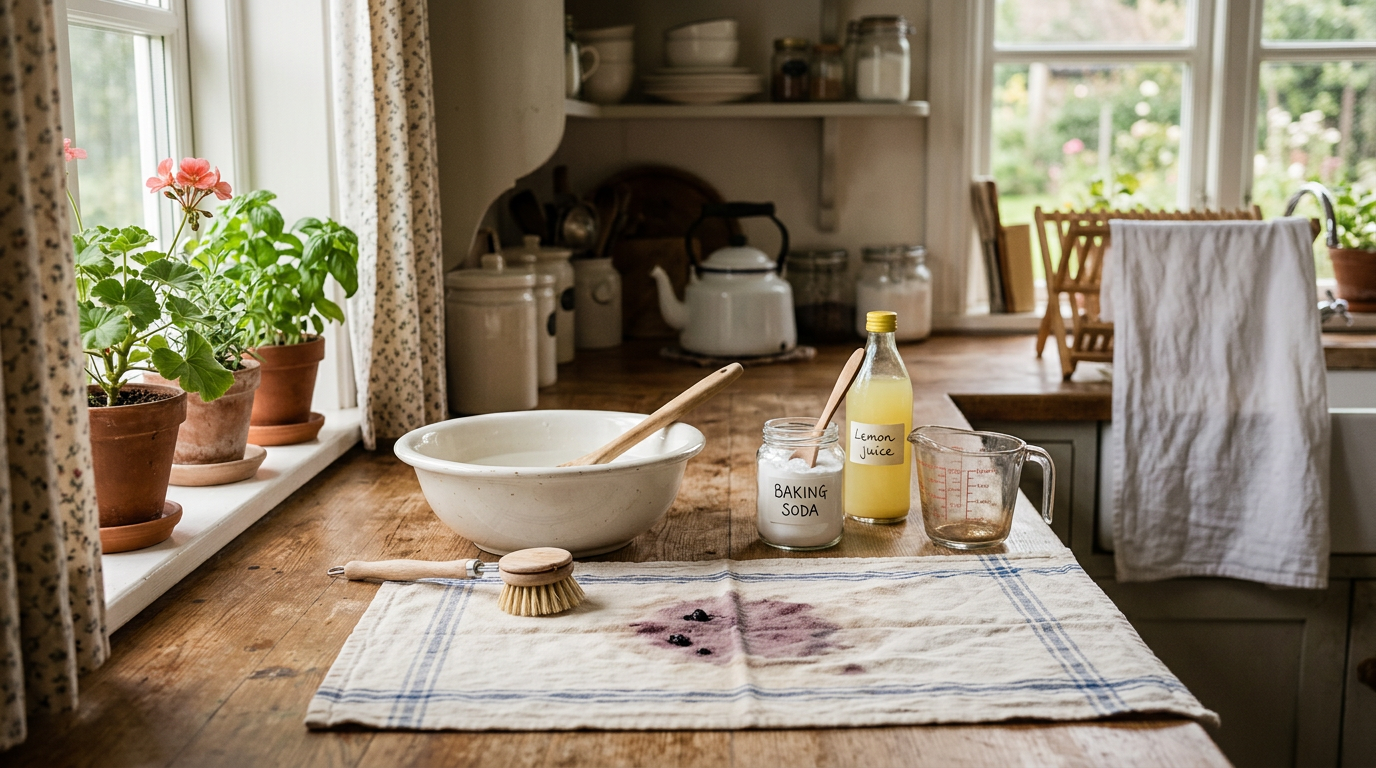
There's a moment that happens in almost every home: you notice a stain that shouldn't be there. Maybe it's been sitting on your favorite tablecloth for weeks, or it appeared on the bathroom tile and you've scrubbed at it half-heartedly more than once. The bottles under the sink haven't worked. The internet suggestions haven't worked. So you accept it as permanent and move on.
But here's what I've learned from years of handling textiles and surfaces in a lived-in home: most stubborn stains aren't actually stubborn. They're just being treated wrong. The difference between a stain that sets permanently and one that releases is almost always about understanding what you're actually dealing with, then giving it the right treatment at the right time, in the right sequence.
The conventional wisdom says to treat stains immediately. That's true—but only partially true, and it misses something crucial. What matters more is understanding the nature of what caused the stain and then choosing your approach accordingly. Let me walk you through how to actually think about this.
Understanding What Makes a Stain Stubborn
A stain becomes stubborn when the staining substance has bonded to the fibers of your fabric or sealed itself into the pores of your surface. This happens in stages. First, the substance sits there. Then, if exposed to heat (from washing, from a dryer, from sitting in sunlight), it can begin to set. But here's the part most people miss: some stains also become more permanent when treated with the wrong substance first.
For example, if you use hot water on a protein-based stain like blood or egg, you cook the protein and lock it in. If you use certain soaps on tannin-based stains like wine or tea, you can actually set them darker. If you rub aggressively at a fresh stain on delicate fabric, you can push it deeper into the fibers instead of lifting it away.
So the first rule, before you do anything, is diagnosis. What is the stain made of? Is it protein-based (blood, egg, dairy, mud)? Oil-based (grease, butter, makeup, salad dressing)? Tannin-based (wine, tea, coffee, fruit, grass)? Or combination-based, which is common in real life (like a sauce that has both oil and tomato)? The answer changes everything about how you proceed.
The Method That Actually Works: Layered Treatment
The approach I'm going to describe takes patience. It's not fast. But it works on stains that other methods have already failed on, and that's worth the time investment.
Step One: Blot, Don't Rub
If the stain is still wet or fresh, your first action should always be to blot. Use a clean cloth—white, if possible, so you can see what's transferring—and press it gently against the stain. Let the cloth absorb the liquid. Then move to a clean section of the cloth and repeat. This is removing the staining substance itself, not trying to clean the stain yet. The goal is to get as much of the original problem out as possible before it has a chance to bond further.
This is why gentle pressing matters more than aggressive rubbing. Rubbing pushes the stain deeper into the fibers. Blotting lifts it away from the surface. For dried stains, you'll skip this step, but the principle remains: when you do start treating it, gentle pressure works better than force.
Step Two: The Cold Water Rinse
After blotting, rinse the area with cold water. Not warm, not hot. Cold water. This matters because cold water doesn't activate the staining substance the way heat does. You're trying to remove any residue without setting anything further. Let the water run through the fabric or surface, taking the stain with it.
For fabric, you can hold it under running water from the back side (the side opposite the stain), letting the pressure push the stain out rather than through. For surfaces like tile or countertop, use a damp cloth with cold water and blot repeatedly.
Step Three: Identify and Pre-Treat
Now you assess what you're working with. For oil-based stains, a small amount of dish soap applied directly to the dry stain, worked gently into the fibers with a soft brush or cloth, then rinsed with cold water, can work wonders. The soap breaks down the oil so water can remove it. But the key is using very little soap—just enough to coat the stain—and being patient. Let it sit for 15 minutes before rinsing, rather than scrubbing immediately.
For protein-based stains (blood, egg, grass), cold salt water is often more effective than anything else. Mix a small amount of salt into cold water until it's noticeably salty, apply it to the stain, and let it sit. The salt draws the protein out of the fibers. After 20-30 minutes, rinse thoroughly with cold water.
For tannin stains, this is where patience truly matters. Many sources will tell you to use hydrogen peroxide or vinegar, but I've found that the most reliable method is actually simpler: white vinegar diluted in cold water (equal parts), applied and left to sit for several hours or even overnight. Longer contact time is more important than stronger concentration. After the vinegar has had time to work, rinse thoroughly and assess.
Step Four: The Secondary Treatment
If the stain is still visible after the first treatment, here's where most people give up. But this is actually the point where the process works. The stain is now partially broken down. A second, gentler application of the same treatment, or sometimes a different approach, will finish the job.
For stubborn remaining stains on fabric, a paste made from a small amount of water and powdered oxygen bleach (like OxiClean, but the plain white powdered version with no added scents or colorants) can work beautifully. Apply it to the damp stain, let it sit for 30 minutes to several hours depending on how stubborn it is, then rinse thoroughly. The extended contact time is what matters.
For surface stains, you might try a baking soda paste. Mix baking soda with just enough water to form a paste, apply it to the stain, and let it dry slightly. Then gently scrub with a soft brush and rinse. This is abrasive enough to help lift the stain without scratching most surfaces.
Step Five: The Warm Water Wash (Only After Treatment)
Only after you've treated the stain multiple times and it's significantly faded should you wash the item in warm water. By this point, the staining substance has been broken down enough that normal washing will remove what remains. If you wash in warm water too early, you risk setting what's left of the stain permanently.
The Stains That Need Special Attention
Some stains deserve their own strategy. Rust stains, for example, respond well to lemon juice or vinegar applied directly, then exposure to sunlight (which helps break down the oxidation). Ink stains need to be blotted immediately and treated with rubbing alcohol on a cloth, never rinsed immediately with water, which spreads ink. Scorch marks or burn stains are actually damage to the fibers themselves and usually can't be fully removed, but they can be lightened with a paste of hydrogen peroxide and cream of tartar.
Red stains—wine, juice, tomato—often respond better to hydrogen peroxide than to other methods, but use it cautiously on colored fabrics (test on a hidden area first). The hydrogen peroxide breaks down the color molecules, but it can also bleach the fabric itself if used too strong or left too long.
Prevention: The Easier Path
After you've successfully removed a stubborn stain through this patient process, you understand something important: prevention is genuinely easier than removal. This doesn't mean living fearfully around spills, but it does mean being thoughtful.
Blotting wine immediately with salt (which absorbs the liquid and helps prevent staining) takes 30 seconds and prevents hours of treatment later. Rinsing a cloth immediately after a spill, even if you can't wash it fully right then, makes a difference. Keeping stains from setting in the dryer by never heat-drying something before the stain is gone is a simple rule that prevents permanence.
And perhaps most practically: keeping the basic supplies on hand—cold water, salt, white vinegar, baking soda, dish soap, and oxygen bleach—means you can treat most stains correctly the moment you notice them, before they have a chance to become truly stubborn.
The Patience Principle
What all of this comes down to is a single principle that applies far beyond stain removal: time and gentle persistence work better than force and urgency. A stain treated with the right substance, left alone to work, then treated again if needed, will release in a way that scrubbing and high heat never will.
This is how the wisdom of maintaining a home gets passed along—not as a set of rules to memorize, but as an understanding of how materials actually work and what patience can accomplish. The next time you face a stain that seems stubborn, remember that it's probably just waiting for the right approach and enough time to respond.
Related articles

How Slow Cooking Improves Focus
Understand why pace matters in food preparation.

9 Things You Should Never Put in the Dishwasher—And Why Hand Washing Matters
Some kitchen items deserve the gentle care of hand washing. Learn which treasured pieces to protect and why this simple practice preserves what matters most.
The One Food You Should Never Reheat—and Why It Matters More Than You Think
Some kitchen rules exist for good reason. Learn which common food poses real danger when reheated and why this matters for your family's health.