
Never Store These 9 Foods Together: A Practical Guide to Kitchen Wisdom That Actually Works
Learn which foods should never share shelf space—and why. This kitchen knowledge prevents waste, spoilage, and keeps your home running smoothly.
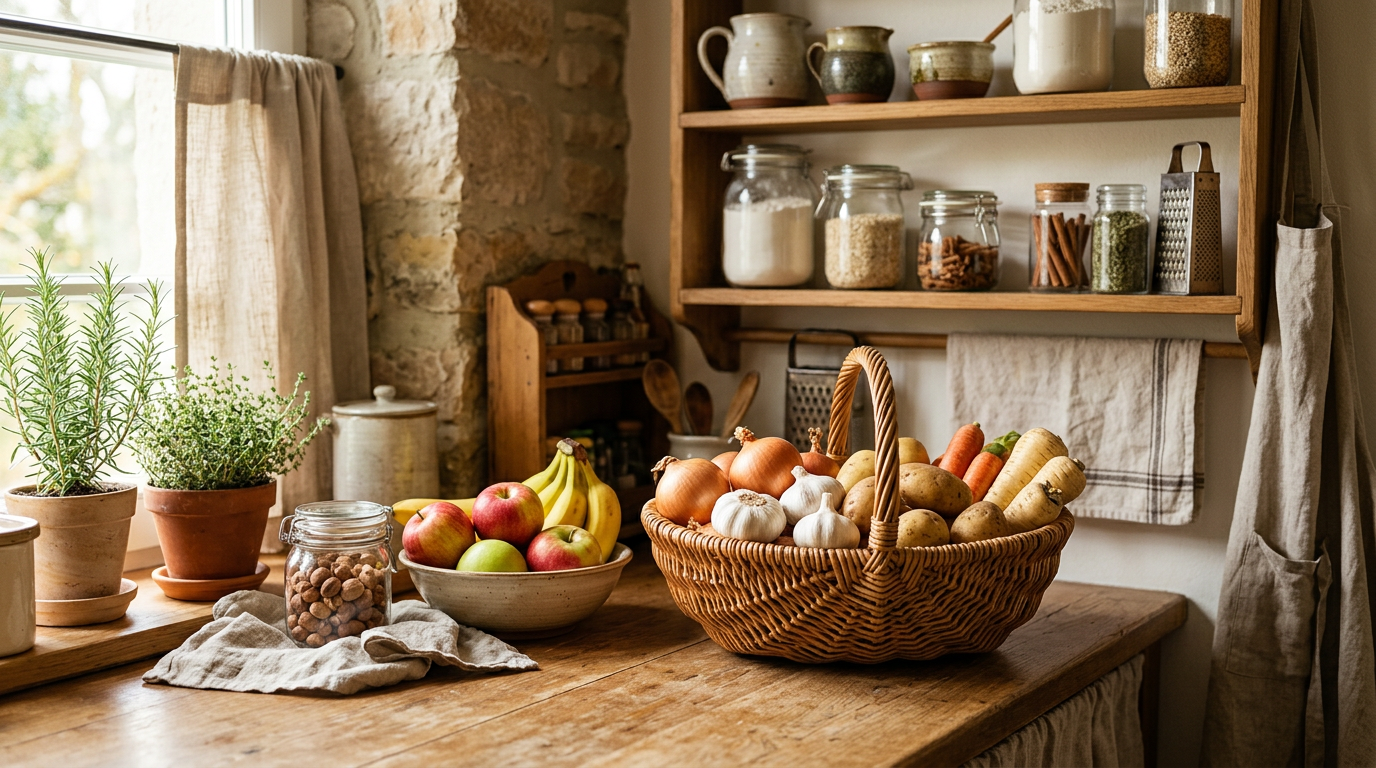
There's a particular kind of quiet frustration that comes with opening the refrigerator to find that your lettuce has turned to brown mush, or reaching for an apple only to discover it's gone soft and mealy in just days. Most of us assume this is simply the nature of fresh food—an inevitable part of keeping a home. But some of this waste is entirely preventable. The simple act of paying attention to which foods live near each other in your kitchen can extend the life of what you buy, save money, and mean less time spent on grocery trips.
This isn't trendy food science or complicated chemistry. It's something people have understood for generations simply by paying attention: certain foods don't belong in the same storage space. They communicate with each other—through the gas they emit, the moisture they release, the temperature they prefer—in ways that damage one another. Understanding these quiet conversations happening in your refrigerator and pantry is one of those practical skills that makes everyday home management feel less like a chore and more like taking care of something that matters.
Why Food Storage Matters More Than We Think
Before we talk about which foods should stay apart, it helps to understand why this matters at all. In a busy household, the refrigerator can feel like a place where things go to be forgotten. But it's actually one of the most active spaces in your home—a carefully balanced environment where temperature, humidity, and air circulation all play a role in keeping food fresh.
When you store foods thoughtfully, you're not just preventing waste (though that matters). You're also making your kitchen easier to navigate. You're reducing the mental load of wondering what might have gone bad. You're creating an environment where fresh vegetables actually taste like themselves when you eat them, where fruit doesn't turn to mush before you get a chance to enjoy it, and where your efforts at the market result in meals, not compost.
This is part of what traditional home management understood without having to name it: an organized, thoughtful approach to the spaces where food lives makes everything downstream easier. When your refrigerator is arranged with intention, you cook more, waste less, and feel calmer about what you have on hand.
Ethylene-Producing Foods and Everything Else
The most important concept in food storage is understanding ethylene gas. Some fruits and vegetables naturally produce ethylene as they ripen—it's the gas that tells the fruit it's time to mature and soften. This is useful when you want a banana to ripen on your counter. It becomes a problem when that ripening fruit is sealed in a drawer with delicate lettuce or broccoli, essentially telling them to age and deteriorate faster than they otherwise would.
The foods that produce the most ethylene are apples, avocados, bananas, tomatoes, and stone fruits like peaches and plums. These are powerful ripeners. They will age everything around them more quickly. Understanding this one fact solves a tremendous amount of kitchen frustration.
Apples and Delicate Greens: A Separation That Matters
This is perhaps the most common pairing that causes problems in home kitchens. Apples are ethylene powerhouses—they're designed by nature to ripen and age, and they broadcast that agenda loudly through the gas they produce. When stored near lettuce, spinach, or other tender greens, apples will accelerate their wilting and browning dramatically.
The solution seems simple: keep them apart. But in a typical refrigerator with limited space, this requires actual intentionality. Consider storing your apples in the coldest part of your refrigerator—usually the back of a shelf or in a dedicated produce drawer if you have one—and keep greens in a separate drawer or on a different shelf entirely. If you buy apples that came in a bag or container, leaving them in that packaging also helps contain their ethylene output somewhat.
There's an additional benefit to this separation: you'll actually see your greens and remember to eat them. Apples are hardy and attention-getting. Greens are quiet and easy to overlook. Keeping them visibly separated means you're more likely to reach for that spinach before it turns to slime at the bottom of the drawer.
Bananas and Everything Sensitive
Bananas are the most aggressive ethylene producers in a typical home kitchen. A single banana ripening on your counter will fill a space with ripening gas. Multiple bananas stored in the refrigerator with other produce is like putting a time bomb in with your vegetables. Broccoli, leafy greens, cucumbers, and peppers will all deteriorate much faster.
This is why the traditional approach of storing bananas separately—often hanging from a hook, or at the very least isolated in their own space—actually makes sense. If you must refrigerate bananas (which you might do if your kitchen is warm and you want to slow their ripening), wrap them tightly in plastic wrap. This contains their ethylene output considerably.
A useful habit: if you're buying bananas at different stages of ripeness (some green for later in the week, some yellow for eating sooner), separate them into different spots. The green ones will take longer to ripen if they're not in constant communication with the fully yellow ones.
Stone Fruits and Berries: A Delicate Situation
Peaches, plums, and nectarines produce ethylene as they ripen, and they're particularly aggressive about it during warm months. Meanwhile, berries—blueberries, raspberries, blackberries, strawberries—are fragile, mold-prone, and don't handle ethylene exposure well. They'll deteriorate and develop mold more quickly when stored near ripening stone fruits.
The practical approach: keep your berries on an upper shelf where they're most visible (you're more likely to eat them if you see them), and store stone fruits on a lower shelf or in a separate drawer. This isn't just about air circulation; it's about keeping the ripening gas that stone fruits produce away from the delicate skins of berries.
There's another nuance worth knowing: berries are best stored unwashed in their original container, which allows air circulation around them. When you wash them immediately after purchase, you're adding moisture, which accelerates mold growth. It's better to wash them just before you eat them. This is one of those small details that seems minor but actually extends the life of expensive berries significantly.
Avocados and Tomatoes: Keep Your Salad Ingredients Separate
Avocados and tomatoes are both ethylene producers, and they ripen relatively quickly. When stored together or with other sensitive vegetables like lettuce, they create an environment where everything ages faster. This is particularly frustrating because these are often ingredients we want for the same meal—fresh salads, for example.
The solution requires planning ahead slightly. If you've bought avocados that are still firm and tomatoes that are still slightly underripe, you might actually store them together for a day or two to help them ripen in sync. But once they're at peak ripeness, separate them from delicate greens and from each other if you want to extend their life.
One practical detail: avocados are best stored in the warmest part of your refrigerator, usually the door. They actually prefer slightly warmer temperatures than most produce. Tomatoes, interestingly, retain better flavor when kept at room temperature if they're already ripe—the cold of the refrigerator can dull their taste. So often, the best approach is to keep tomatoes on the counter and avocados in the refrigerator entirely, solving two storage problems at once.
Onions and Potatoes: Companions That Become Enemies
This is a storage pairing that feels counterintuitive because both are root vegetables, both are shelf-stable, and they're often used together in cooking. But storing them together actually causes both to deteriorate faster. Here's why: potatoes emit gases that cause onions to soften and sprout more quickly. In return, onions release moisture that encourages potato sprouting and decay.
Additionally, potatoes prefer cool, dark, humid conditions, while onions prefer cool, dark, and dry conditions. They're fundamentally incompatible in terms of their storage needs. If you're storing them in a pantry or cool cupboard, simply putting them in separate containers or corners makes a real difference. The separation doesn't need to be dramatic—a shelf or two apart is enough.
One additional note: both potatoes and onions should be stored away from light. This isn't just about keeping them in a dark place; it's about understanding that light exposure causes both to deteriorate and can actually make potatoes develop compounds that aren't good to eat. This is why those old storage solutions of dark cupboards and pantries made actual sense.
Garlic and Onions: A Paradox
This one is slightly counterintuitive because garlic and onions seem like they belong together. They're both alliums, they're both used together constantly in cooking, and they have similar storage needs. You can store them together—but with one important caveat: they should be stored in a way that allows good air circulation. They both prefer cool, dark, dry places, and they both need air to move around them.
If you're storing them in sealed containers or bags in a warm space, they'll mold and sprout faster together than they would apart. But if you're storing them in a mesh bag or breathable container in a cool pantry, storing them together is actually fine. The key is airflow.
Peppers and Tomatoes: Heat-Loving Vegetables Gone Wrong
Both peppers and tomatoes are heat-loving vegetables, and both can technically be stored at room temperature. But in a refrigerator, they require different conditions. Peppers do well in a high-humidity drawer and benefit from cold temperatures. Tomatoes, as mentioned, retain better flavor at room temperature once ripe, or in the warmest part of the refrigerator if refrigeration is necessary.
More importantly, tomatoes produce ethylene, and peppers are sensitive to it. A ripe tomato stored next to peppers will cause the peppers to deteriorate and soften more quickly. If you're buying peppers to store for a while, keep them in a drawer away from tomatoes. If you're planning to use both for a meal that day, the brief time together doesn't matter.
Carrots and Apples: A Surprising Problem
Carrots are mild vegetables—they don't produce much ethylene, and they're fairly hardy. But they're sensitive to ethylene produced by others, particularly apples. When stored together, apples will cause carrots to become bitter and develop an off taste. This is one of those storage issues that seems to come out of nowhere: your carrots taste fine one day and have a strange flavor the next, and you might not trace it back to the apple stored nearby.
The solution is straightforward: keep apples and carrots in separate drawers or compartments. If you prefer to store your carrots by leaving them in their plastic bag or in a covered container, that provides some protection as well.
Putting It All Together: A Practical Refrigerator Map
Understanding all these pairings is helpful, but living with them is about creating a system that actually works in your home. Start by thinking of your refrigerator in zones. The coldest area, usually the back of shelves and the bottom, is best for delicate greens and vegetables that are sensitive to ethylene.
Reserve a drawer or a specific shelf for your ethylene producers: apples, bananas, stone fruits, avocados, tomatoes. These can often be stored together, or at least away from everything else. Use another drawer or compartment for sturdier vegetables like carrots, peppers, and broccoli. Store onions and potatoes completely separately, either in different pantry areas or in a cool cupboard away from the refrigerator.
The key is being willing to rearrange your storage as your purchases change. If you've bought a lot of berries, make sure your produce drawer setup supports them. If you've picked up several apples, confirm they're truly separated from your greens. This doesn't require complicated organization—just attention.
The Larger Lesson: Attention as Care
What strikes me most about food storage is how it mirrors so much of thoughtful home management. The solution isn't expensive refrigerator organizers or complicated systems. It's the simple act of paying attention to what you have, understanding how different things behave, and arranging them accordingly.
Every time you prevent that head of lettuce from turning to mush, or you eat an apple that's still crisp three weeks after purchase, you're not just saving money—though you are. You're practicing a kind of care that makes your home feel more orderly and your relationship to what you have more intentional.
This is the sort of knowledge that used to be passed along naturally, absorbed through watching someone manage a home. Now, it's worth writing down, remembering, and practicing until it becomes second nature. Your future self, opening the refrigerator to find fresh vegetables actually ready to eat, will be grateful for the small amount of intentionality you invested today.
Related articles

How Slow Cooking Improves Focus
Understand why pace matters in food preparation.
9 Things You Should Never Put in the Dishwasher—And Why Hand Washing Matters
Some kitchen items deserve the gentle care of hand washing. Learn which treasured pieces to protect and why this simple practice preserves what matters most.
The One Food You Should Never Reheat—and Why It Matters More Than You Think
Some kitchen rules exist for good reason. Learn which common food poses real danger when reheated and why this matters for your family's health.