
This One Kitchen Trick Makes Cleaning Much Easier
A simple shift in how you approach kitchen cleanup—one that honors both efficiency and calm—transforms the daily work into something manageable and even meditative.
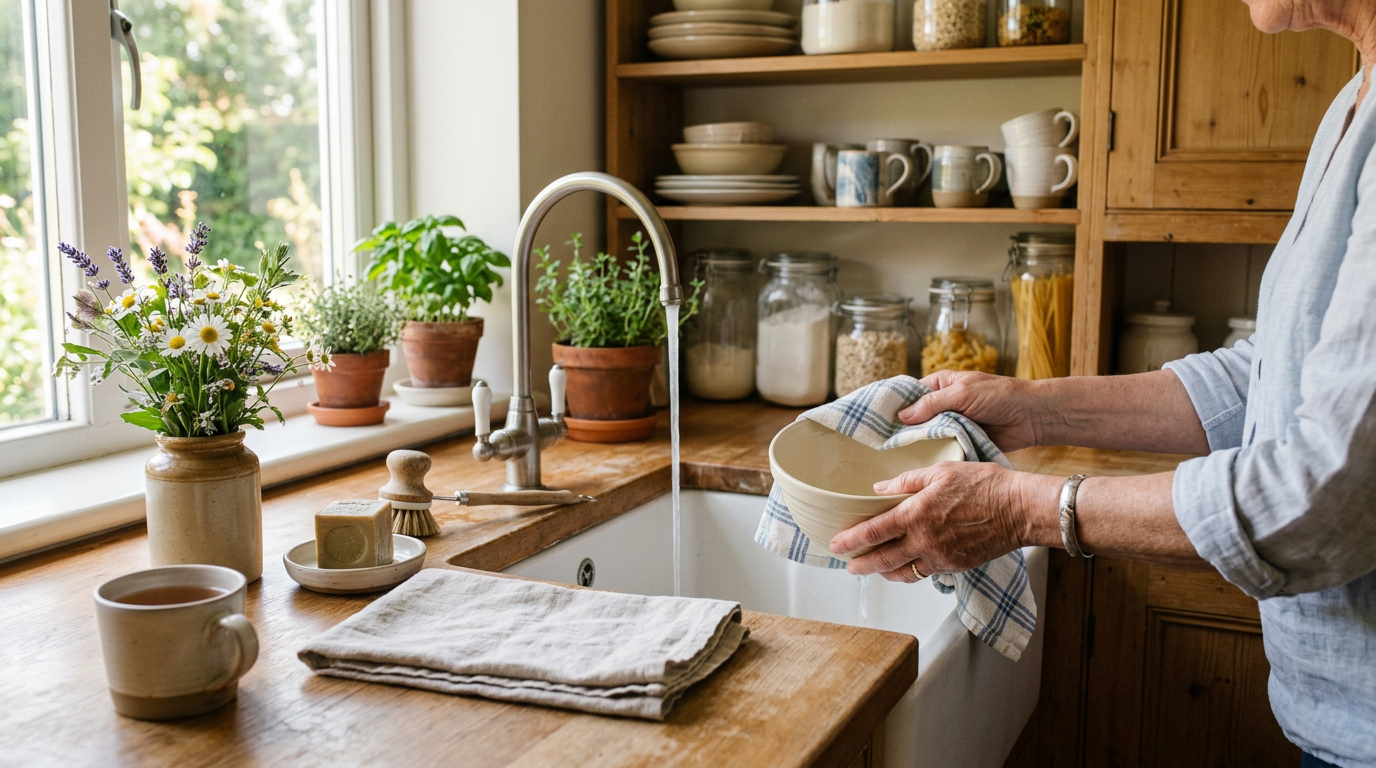
There's a particular kind of tired that comes from standing at the sink after dinner, looking at a kitchen that feels like it's working against you. Dishes piled high, counters sticky with the day's cooking, and the sinking feeling that this will take forever. Most of us have experienced this enough times to know the feeling well.
But there's something I've learned over years of paying attention to how kitchens actually function in real homes: the secret to easier cleaning isn't about working harder or faster. It's about cleaning as you go, yes—everyone knows that—but more specifically, it's about understanding the single most powerful shift you can make: cleaning immediately after use, before anything has time to set or harden.
This isn't revolutionary advice on its surface, but the why and the how matter tremendously, and that's where most people miss the real advantage.
Why the Moment After Matters More Than You Think
When you cook, you create a series of small messes. A pot with oil residue. A cutting board with vegetable scraps and juice. A spoon that's been in sauce. A pan with the ghost of what you just sautéed.
The moment these items are used is the moment they're easiest to clean. The oil is still warm and loose. The food particles haven't bonded to the surface. The moisture is fresh. This window—sometimes just a few minutes—is when cleaning requires the least effort, the least scrubbing, and the least hot water.
But here's what actually happens in most kitchens: we finish using something, we set it down, and we keep cooking. That pot sits on the counter while we finish the rest of the meal. The cutting board gets pushed aside. The pan goes to the stove's back burner. Then dinner happens, and by the time we think about cleaning, twenty or thirty minutes have passed. The oil has cooled and solidified slightly. The sauce has started to dry on the pan's surface. The vegetable juice has been sitting on the cutting board, making the wood absorb it.
Now everything is harder. The stuck-on food requires scrubbing. You need hotter water to cut through the congealed fat. What could have been a thirty-second rinse is now a two-minute scrub session. Multiply this across a dozen items, and you've added fifteen or twenty minutes to your cleanup time, plus frustration and the sense that the kitchen is fighting you.
The Practical Implementation: Building the Rhythm
This isn't about being obsessive or losing the flow of cooking. It's about building a rhythm that actually works with your cooking process rather than against it.
Here's how it functions in practice:
As you cook, you have natural pauses. You've chopped your vegetables and they're waiting to go into the pot. This is a thirty-second window where that cutting board and knife can be rinsed and set in the drying rack. The vegetable scraps go to the compost or trash. You haven't lost momentum; you've used a natural pause in the cooking sequence.
You've finished sautéing aromatics and they're now simmering with other ingredients. The pan they were in can be rinsed right away—there's usually two or three minutes before you need to do anything else. A quick rinse while the pan is still warm, and it's clean. If you wait until after dinner, that same pan requires soaking and actual scrubbing.
You've mixed together a sauce or combined ingredients in a bowl. Before moving to the next step, that bowl takes fifteen seconds to rinse out. The spoon goes right to the dish rack. These are the moments when cleaning is effortless because nothing has had time to set.
The key is recognizing that cooking naturally has built-in pauses—times when you're waiting for something to cook, or between steps. These pauses are perfect opportunities for this kind of immediate cleaning. You're not adding extra work; you're redistributing the work into moments when it's least effortful.
The Small Details That Change Everything
There are a few specific practices that make this approach work smoothly in real life:
Keep your sink clear. This sounds basic, but it's foundational. If your sink is already full of dishes or clutter, you can't rinse a pan immediately. Spend two minutes before you start cooking to clear the sink entirely. This is your workspace. A clear sink is an invitation to clean immediately; a full one is a barrier.
Use a dish rack that's accessible. If your dish rack is tucked away in a cabinet or on the other side of the kitchen, you won't actually use it during cooking. It needs to be right next to your sink, visible and easy to reach. Rinsed items go directly into the rack. This removes the friction from the process.
Have a dedicated space for things that need soaking. Not everything can be cleaned immediately—some things benefit from a brief soak. But they should soak in a bowl of soapy water off to the side, not scattered across your counter. This keeps your workspace clear while still honoring the items that genuinely need a few minutes to soften before washing.
Rinse, don't wash, during cooking. There's a difference. During the cooking process, rinsing something under hot running water is often sufficient—the heat and water loosen the food. Full washing can wait for the end. This distinction saves time and effort while still keeping things clean enough to not accumulate.
Wipe as you go with a kitchen cloth. Keep a damp cloth nearby. Spills and splatters that happen during cooking are cleaned immediately—not wiped and left, but actually rinsed out and hung to dry. A splash of sauce on the counter becomes a two-second wipe, not something to address later when it's stickier and harder to remove.
The Psychological Shift
What makes this approach genuinely transformative isn't just the time saved—though that's real. It's the psychological experience of cooking and cleaning together rather than cooking and then cleaning.
When cleaning is deferred until the end, it feels like a separate, unpleasant task that you have to force yourself to do. Your kitchen has become chaotic, and now you need to restore order. This creates resistance and fatigue.
When cleaning happens during cooking, it's just part of the process. The kitchen stays calm and organized. By the time you sit down to eat, there's almost nothing left to do. Maybe a few final items, maybe just wiping down the counters. The meal feels complete, not like you're deferring a mess until later.
This shift—from seeing cleanup as a separate chore to seeing it as woven into cooking—changes how the entire experience feels. Your kitchen becomes a place where things flow smoothly, where you're not fighting against accumulating chaos.
When Life Doesn't Go According to Plan
Of course, there are nights when this doesn't happen perfectly. Maybe you're cooking something complicated that requires constant attention. Maybe you have young children underfoot or you're hosting people and feeling distracted. Maybe you're having a difficult day and can't seem to get organized.
On these nights, the benefit of having cleaned as much as you could during cooking becomes clear. You didn't create an impossible situation for yourself later. Even if you only managed to rinse a few things during the process, those items are already clean. The remaining dishes are fewer. The cleanup, while perhaps not perfectly easy, isn't overwhelming.
This is where the practice proves its worth: it gives you a buffer. It makes the worst-case scenario manageable instead of dreadful.
The Lasting Benefit
After practicing this for a while, something interesting happens. It stops feeling like a discipline or something you're forcing yourself to do. It becomes the natural way your hands move. You finish using something, and without thinking about it, you rinse it. It becomes as automatic as breathing, part of how you cook rather than something separate from it.
This is when the real ease arrives. Not from willpower or effort, but from having built a habit that aligns with how work actually flows. The kitchen cleanup that once felt like a burden becomes just another part of the evening's rhythm—one that no longer troubles you.
That's the real kitchen trick: not a product or a gadget, but a shift in timing and habit that makes the whole process easier because you're working with the natural momentum of cooking, not against it.
Related articles

How Slow Cooking Improves Focus
Understand why pace matters in food preparation.
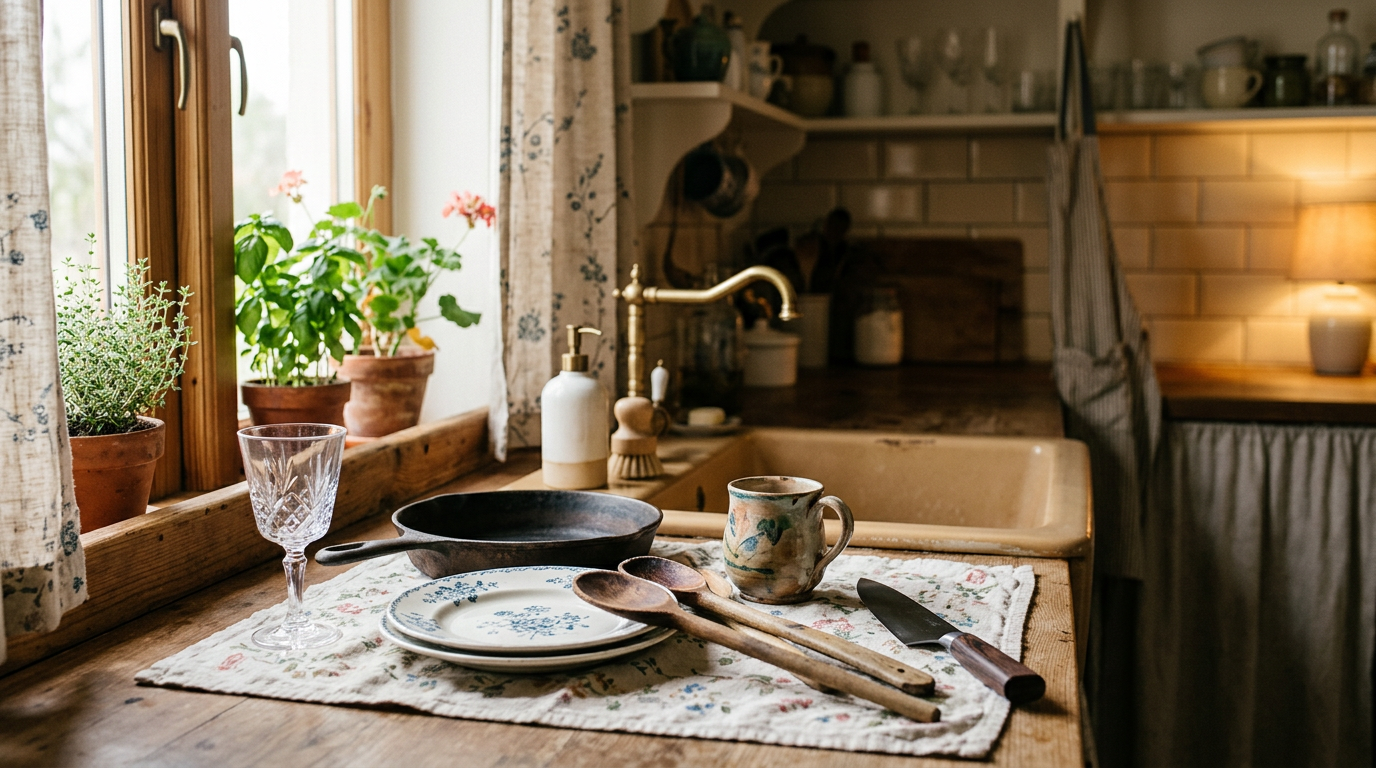
9 Things You Should Never Put in the Dishwasher—And Why Hand Washing Matters
Some kitchen items deserve the gentle care of hand washing. Learn which treasured pieces to protect and why this simple practice preserves what matters most.
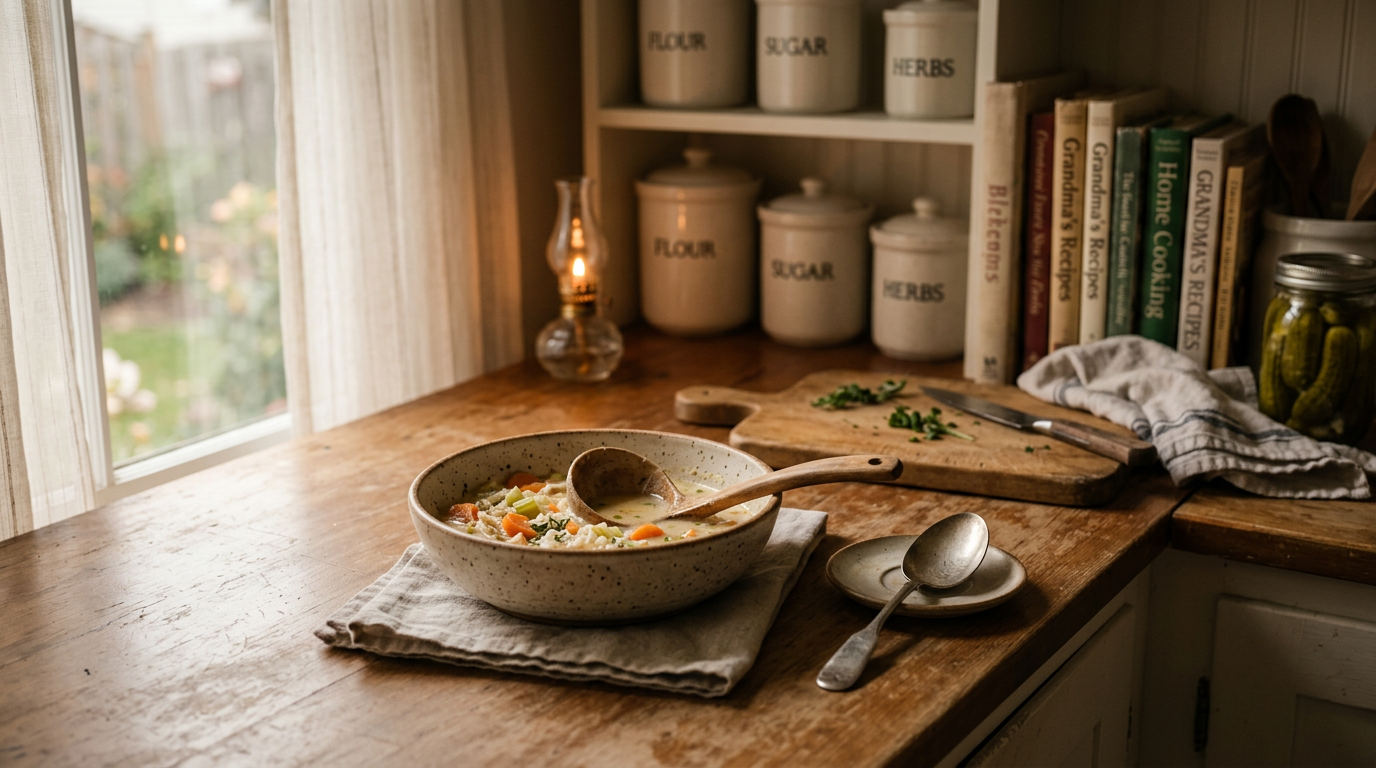
The One Food You Should Never Reheat—and Why It Matters More Than You Think
Some kitchen rules exist for good reason. Learn which common food poses real danger when reheated and why this matters for your family's health.