
12 Kitchen Mistakes Most People Make Every Day—And How to Fix Them
Small daily habits in the kitchen shape how we cook, eat, and live. Here are the oversights most of us make—and the simple shifts that change everything.
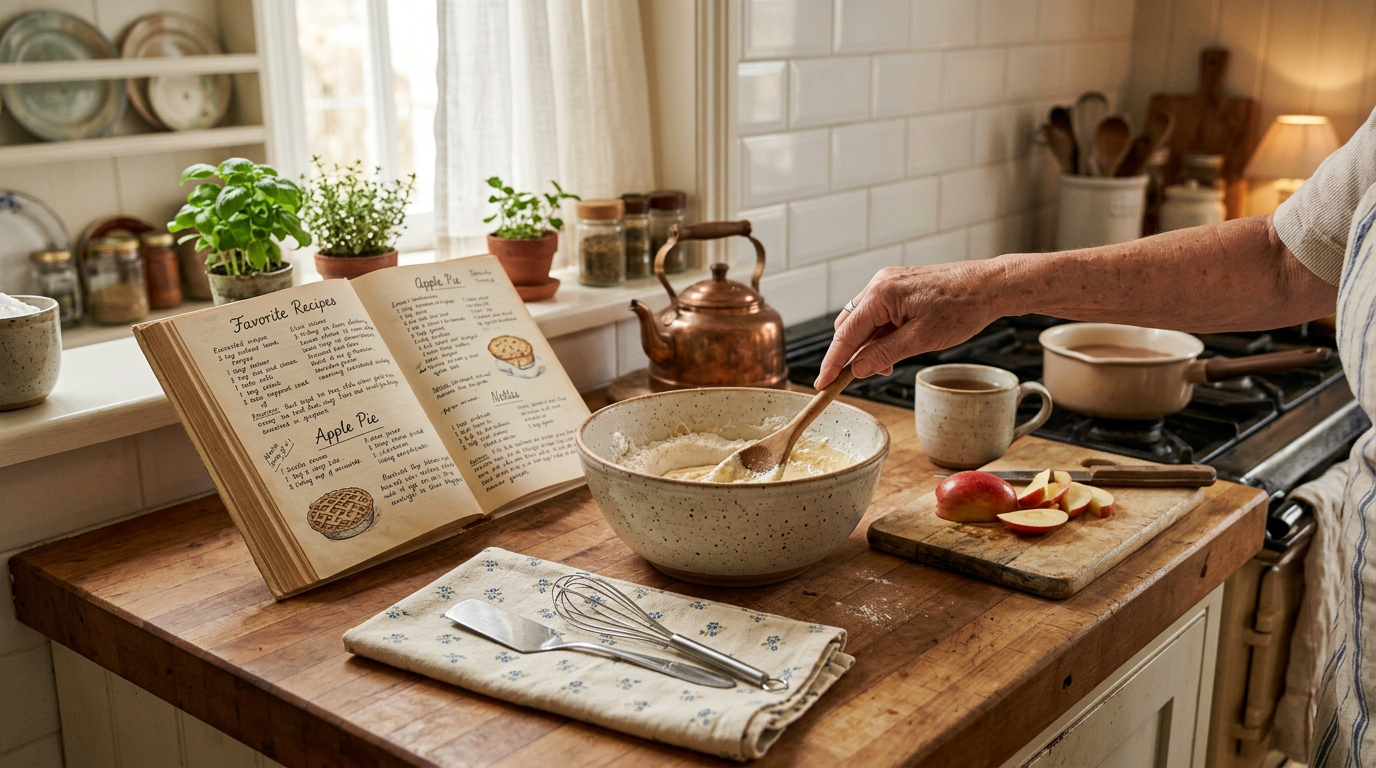
The kitchen is where habit lives. Every morning when you reach for the coffee, every evening when you open the refrigerator, every time you wash a dish—these moments add up. They shape not just what we cook, but how we cook, what we waste, and how we feel in the space where so much of home life happens.
Many of us repeat the same small mistakes every single day without realizing it. Not dramatic errors, but quiet inefficiencies and oversights that cost us time, money, and the satisfaction of a kitchen that actually works for us. The good news is that these aren't character flaws or signs of being "bad at cooking." They're simply habits no one ever taught us to question.
Over years of careful kitchen living, certain patterns emerge. The same problems appear in different kitchens, in different homes, shaped by the same human nature. This is what makes them fixable. Once you see them, you can change them. And when you do, you'll feel the difference every single day.
1. Storing Produce All in One Place
The refrigerator crisper drawer is not a one-size-fits-all solution. Most people toss everything loose into one drawer and wonder why leafy greens turn to slime and root vegetables soften.
Different produce needs different conditions. Leafy greens thrive in a dry environment with air circulation—they wilt when crowded and damp. Root vegetables and hardy greens do better with humidity. Tomatoes, peppers, and stone fruits shouldn't be refrigerated at all if you want to preserve their flavor and texture.
The shift: Store fragile greens loosely in one crisper, with a paper towel at the bottom to absorb excess moisture. Keep hardy vegetables and root crops in the other drawer where it's more humid. Keep tomatoes, onions, and garlic on the counter. This simple separation means produce lasts longer and tastes better. You'll also actually see what you have and use it before it spoils.
2. Cooking Directly from Cold Ingredients
Taking a cold piece of chicken from the refrigerator and putting it directly into a hot pan creates an uneven result: a rubbery exterior before the inside is done. The same happens with eggs, fish, and even room-temperature ingredients added to sauces.
When food sits at room temperature for 15 to 20 minutes before cooking, it reaches a more uniform temperature throughout. This means it cooks more evenly and develops better color and texture on the outside while staying tender inside. It's not about being patient for the sake of it—it's about physics.
The shift: Remove proteins from the refrigerator before you start any other prep. By the time you've gathered other ingredients and set up your workspace, they'll be ready. This small habit transforms the quality of everyday cooking without any extra effort.
3. Not Tasting as You Cook
Many home cooks wait until a dish is plated to taste it, then adjust seasonings at the last moment—or worse, not at all. This is backward. Seasoning is a process, not a final touch.
Tasting during cooking lets you understand how flavors develop and adjust gradually. Salt doesn't just make things salty—it brings out and balances other flavors. Acid (from citrus or vinegar) brightens a dish. Heat develops flavors. By tasting only at the end, you miss the window where small adjustments make the biggest difference.
The shift: Taste with a clean spoon every few minutes as you cook, especially once seasoning begins. This teaches you how salt works in your food, what a properly seasoned soup tastes like, why a squeeze of lemon matters. You become attuned to your own cooking in a way recipes alone can't teach.
4. Keeping Knives Dull Out of Caution
There's a common belief that dull knives are safer because they're less "dangerous." The opposite is true. A dull knife requires more pressure and is more likely to slip off a vegetable, which is how cuts happen. A sharp knife cuts through with intention.
A truly sharp knife also makes cooking faster and more pleasant. Chopping vegetables takes half the time and requires less force, which means less fatigue in your hands and wrists. The act itself becomes almost meditative rather than a chore.
The shift: Have one good chef's knife sharpened professionally once a year (it's inexpensive). Between sharpenings, use a honing steel once a month to realign the edge. A kitchen knife needn't be fancy—a simple stainless steel blade from a reputable brand, kept sharp, outperforms expensive dull knives every time. You'll notice the difference within the first minute of chopping.
5. Not Reading a Recipe All the Way Through Before Starting
Beginning to cook without reading the full recipe leads to discoveries mid-process: you need an ingredient you didn't buy, a step takes longer than you expected, something must chill for an hour. This creates rush, frustration, and sometimes inedible results.
Reading through completely takes five minutes. In that time, you learn what equipment you'll need, what can be prepped ahead, what your pacing should be, and whether you actually have everything required.
The shift: Before you touch a single ingredient, read the entire recipe, gather your equipment and ingredients (what cooks call mise en place), and note timing points. This prevents scrambling and turns cooking into something you control rather than something that controls you.
6. Overfilling Pots and Pans
Crowding a pan is one of the most common reasons home-cooked food tastes steamed rather than seared. Vegetables release moisture when compressed together; chicken won't brown if pieces touch. The result is gray, limp food that tastes of nothing.
Even spacing matters because it allows heat to reach every surface directly. In a crowded pan, some pieces steam in their own moisture while others brown—you can't control what you're cooking.
The shift: Use a larger pan or cook in batches. It takes an extra five minutes but produces dramatically better results. If you're sautéing vegetables for a large gathering, cook in two batches rather than crowding one pan. The first batch will stay warm while the second cooks, and everything will taste properly caramelized.
7. Not Letting Meat Rest After Cooking
Cutting into a steak or chicken immediately after cooking releases all the juices onto the cutting board rather than keeping them in the meat where they belong. The result is dry, less flavorful food and a wasted opportunity.
Resting allows fibers to relax and reabsorb moisture. The time required is proportional to the size—a small chicken breast needs five minutes; a large roast needs 15 to 20. In that time, carryover cooking also continues, bringing the internal temperature up slightly.
The shift: When meat comes off heat, place it on a warm plate in a quiet corner of the kitchen. Don't cover it tightly (that traps steam), but do let it sit untouched. Use this time to finish other components of your meal. You'll immediately notice juicier, more flavorful meat.
8. Washing Dishes in Water That's Too Cool
Lukewarm water doesn't cut through grease effectively, no matter how much dish soap you use. You end up scrubbing longer, using more water, and still leaving residue behind. Hot water does the work; your hands and effort do the finishing.
Water hot enough to clean without being uncomfortable (you should be able to hold your hands in it) breaks down oils and food particles naturally. Adding soap to this temperature does what it's meant to do.
The shift: Run your water hot before you start washing. If you find it painful, you may need a moment for your hands to adjust—this is normal. Once adjusted, you'll notice dishes rinse clean with less scrubbing. Your kitchen stays cleaner because your dishes are actually clean.
9. Storing Opened Canned Goods in the Can
Leaving tomato sauce, coconut milk, or beans in an open can in the refrigerator exposes the metal to air and food. Over days, this creates a slight metallic taste and potentially unwanted oxidation. It's not a safety issue, but it diminishes flavor.
Glass or ceramic containers preserve the food better and let you see what you have. They also nest together and take less space than keeping cans.
The shift: Keep small glass containers or jars on hand. Transfer opened canned goods into them immediately, label with a date if you like, and store. This adds a minute to the cleanup but protects your food and makes your refrigerator more organized.
10. Not Adjusting Oven Temperatures for Your Specific Oven
Most home ovens don't maintain exact temperatures. One oven might run 25 degrees hot; another might run 15 degrees cool. You can follow a recipe perfectly and still get inconsistent results if your oven's actual temperature doesn't match what the dial says.
Professional cooks account for this. Home cooks often blame themselves or the recipe when the real issue is temperature variance.
The shift: Use an inexpensive oven thermometer (they cost a few dollars) and check your oven's actual temperature. If it runs hot or cool, adjust future recipes accordingly. Jot this down somewhere visible—"My oven runs 15 degrees hot"—so you remember to adjust. This single insight prevents failed bakes and roasts for years to come.
11. Letting Oil Smoke in the Pan
Oil that reaches its smoke point breaks down and creates a burned, acrid flavor that taints whatever you're cooking. It also produces unpleasant fumes and isn't good to inhale continuously.
Different oils have different smoke points. Olive oil smokes at a lower temperature than grapeseed or avocado oil. Knowing which oil to use for which task matters—not just for flavor but for control.
The shift: Use olive oil or butter for low to medium-low heat (sautéing at gentle temperatures, finishing dishes). Use neutral oils like grapeseed, avocado, or refined canola for high-heat cooking. When you add oil to a pan, let it warm until it shimmers but before it smokes. This takes 30 seconds. The difference in flavor and comfort is immediate.
12. Not Cleaning the Stovetop Immediately After Cooking
Spills and splatters become harder to remove the longer they sit. What wipes off easily when still warm requires aggressive scrubbing once dried. You also end up cooking over a surface with old, burned food residue, which affects flavor and cleanliness.
A quick wipe while heat is still present takes 20 seconds. Waiting and scrubbing later takes five minutes.
The shift: As part of plating dinner, spend 30 seconds wiping down your stovetop with a damp cloth while it's still warm. This becomes part of the cooking rhythm rather than extra work. Your kitchen stays cleaner, you use less elbow grease, and you never face a grimy stove.
The Small Shift That Changes Everything
None of these mistakes are failures of character or cooking ability. They're oversights—small habits that accumulate. The remarkable thing is that recognizing them and making tiny adjustments transforms your daily cooking life almost immediately.
The kitchen rewards attention. It rewards reading, tasting, timing, and small deliberate choices. When you shift from rushing through cooking to working with intention, everything gets easier and better. Your food tastes different. Cooking takes less effort. Your kitchen stays cleaner and more organized.
These aren't trendy hacks or complicated techniques. They're the kind of practical wisdom that has quietly worked in kitchens for generations—not because it's old-fashioned, but because it works. Start with one or two. Notice the difference. Then add another. In a few weeks, you'll have rebuilt your daily kitchen habits in small, sustainable ways that compound into genuine change.
Related articles

How Slow Cooking Improves Focus
Understand why pace matters in food preparation.
9 Things You Should Never Put in the Dishwasher—And Why Hand Washing Matters
Some kitchen items deserve the gentle care of hand washing. Learn which treasured pieces to protect and why this simple practice preserves what matters most.
The One Food You Should Never Reheat—and Why It Matters More Than You Think
Some kitchen rules exist for good reason. Learn which common food poses real danger when reheated and why this matters for your family's health.