
This Simple Trick Keeps Lettuce Fresh for Weeks
Learn the gentle method that keeps lettuce crisp and vibrant long after you bring it home—a quiet practice rooted in understanding how greens actually breathe.
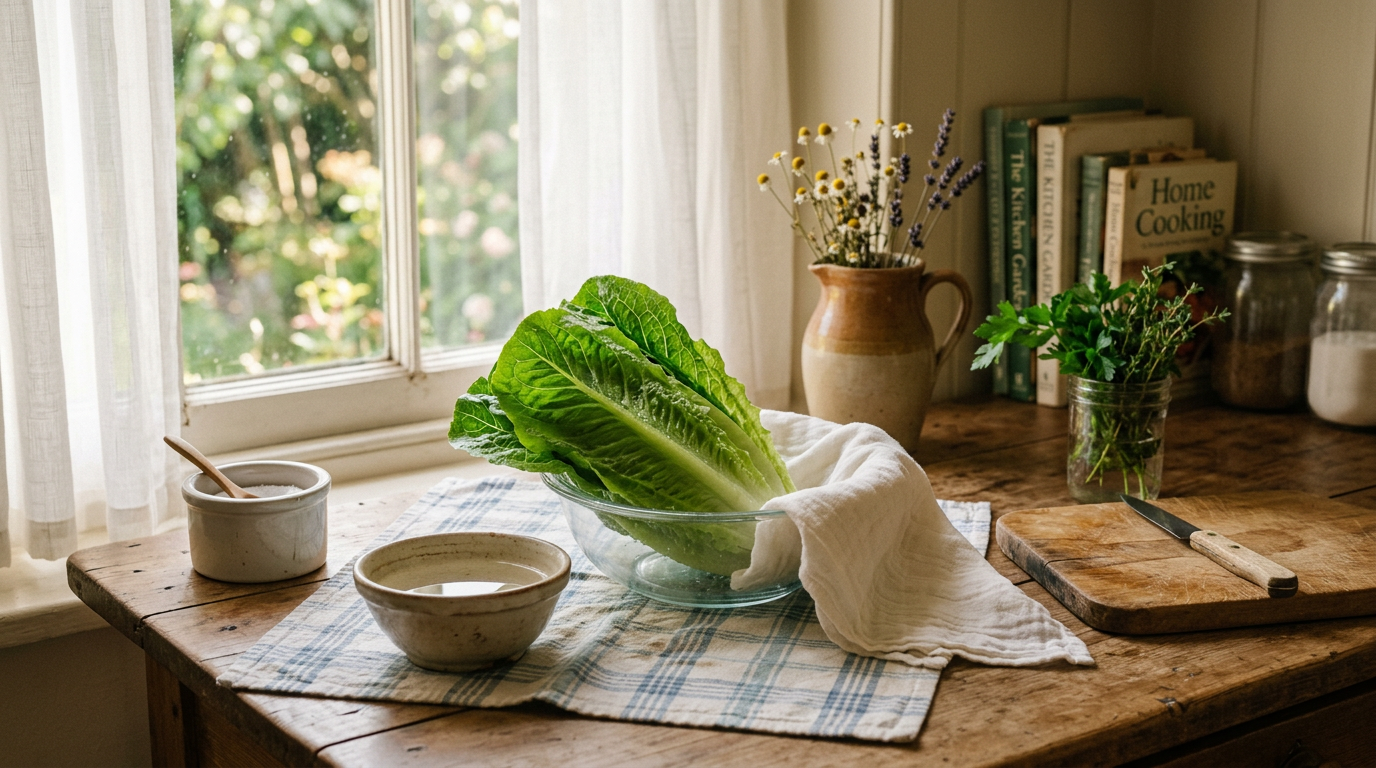
There's a particular quiet satisfaction that comes from opening your refrigerator a week after grocery shopping and finding your lettuce still tender, still bright green, still waiting to be used. It's a small thing, but it changes how you cook. When greens are reliably fresh, salads don't feel like a race against time. You actually make them. You enjoy them. The whole rhythm of eating well at home becomes less frantic and more sustainable.
For years, I watched lettuce wilt within days of bringing it home. I'd rinse it, store it in plastic bags, and watch it gradually surrender to that slimy brown softness that marks the end of a vegetable's life. It felt inevitable, like all lettuce was destined to disappoint. Then I learned something simple that changed everything: lettuce doesn't wilt because it dries out. It wilts because it can't breathe properly, and moisture gets trapped in ways that encourage rot.
Understanding Why Lettuce Actually Fails
Before we talk about solutions, it helps to understand the problem at its root. Lettuce is mostly water—somewhere between 90 and 95 percent of its weight is liquid. The leaves are delicate and vulnerable, designed by nature to be harvested fresh and eaten quickly. But in the sealed environment of a refrigerator, in a plastic bag or wrapped in plastic wrap, something goes wrong with that balance.
When you seal lettuce in plastic, you're creating a small humid chamber. The leaves release moisture into the air around them. That moisture can't escape. It condenses on the leaves and in the spaces between them. This isn't a dry kind of cold—it's a wet kind. And in that wet, cold environment, the natural bacteria on the lettuce multiply faster than they would otherwise. The leaves soften. Spots appear. The texture becomes something you don't want to eat.
The other problem with sealed storage is that it doesn't account for ethylene gas, a plant hormone that ripening produce releases. In a sealed bag, ethylene accumulates around your lettuce, which actually speeds up its aging and breakdown, even though lettuce isn't technically ripening the way a tomato does. The gas just sits there, accelerating senescence—the natural aging process of plant cells.
Understanding these mechanics changes how you approach storage. You're not trying to prevent lettuce from breathing. You're trying to help it breathe while maintaining enough humidity that it doesn't dry out into a papery crispness. It's a balance, not a lock-down.
The Paper Towel Method: Simple Physics at Work
The most reliable way to keep lettuce fresh for two to three weeks—sometimes longer—involves paper towels and a simple principle: controlled absorption combined with proper air circulation.
Here's how it works in practice. First, if your lettuce comes in a plastic clamshell, don't transfer it immediately. Open the container and look at the bottom. Invariably, there's moisture pooling there. This is the enemy. Gently pour this moisture out. If the lettuce looks wet, give it a very gentle rinse under cool water and then pat it dry with paper towels. Don't be aggressive—you're not trying to squeeze every drop out. You're just removing excess surface water.
Now, take a clean paper towel—plain white paper towels work best because they're designed to absorb without leaving lint—and line the bottom of a container. This can be the original plastic clamshell, a glass container, or even a large zip-top bag used differently than most people use it. Layer your lettuce leaves loosely on top of the paper towel, then place another paper towel on top. If you have a lot of lettuce, you can do layers: paper towel, lettuce, paper towel, lettuce, and so on. The key is that the paper towels are in direct contact with the greens.
Why does this work? Paper towels absorb the excess moisture that would otherwise pool and encourage bacterial growth. They also create tiny air pockets that allow for some circulation. They're not a seal. And here's the subtle part: as the lettuce naturally releases moisture over the coming days and weeks, the paper towel absorbs that moisture gradually. This prevents the buildup of that humid, bacterial-friendly microclimate.
If you're using a zip-top bag with this method, don't seal it completely. Zip it about 90 percent of the way, leaving a small gap that allows ethylene gas to escape and fresh air to exchange. This sounds counterintuitive—shouldn't you seal it?—but that gap is doing important work. Over the course of a week, you might notice the bag is less puffy and firm than it was at first. That's fine. That's the system working.
Variety Matters More Than You'd Think
Not all lettuce keeps equally well. Romaine and iceberg lettuce have denser, tougher leaves and keep far longer than soft butterhead or loose-leaf varieties. This isn't a judgment on one being better than another—butterhead has a delicate, almost silky texture that's wonderful—but if you're trying to extend the life of your greens, knowing which varieties to reach for makes a practical difference.
Butterhead and loose-leaf lettuces might last five to seven days with this method. Romaine can easily last two to three weeks. Iceberg can sometimes last nearly a month. If you know you're going to have a busy week, reaching for the heartier lettuces on grocery day is just practical wisdom. Then butterhead and delicate greens can be part of your plan for the days you know you'll have time to enjoy them.
Spinach, kale, and arugula follow similar storage principles but have their own quirks. Spinach is tender like butterhead and needs gentle handling. Kale is nearly indestructible and can last longer than almost any lettuce. Arugula is peppery and quick-aging, best used within a few days. Understanding these small differences means you can shop once with a real plan for how those greens will be used through the week.
The Moisture Check and the Gentle Reset
Even with paper towels, moisture can accumulate over time. About halfway through the storage life—around five to seven days in—it's worth opening your container and checking the paper towel. If it feels genuinely damp, replace it with a fresh one. This simple act can add another week to your lettuce's life. You're not doing anything harsh or high-tech. You're just replacing the moisture-absorbing layer.
Sometimes lettuce that looks slightly sad—not brown or slimy, but a little less crisp than you'd like—can be revived. Submerge it in cold water for ten or fifteen minutes. The leaves will absorb water and firm up. This won't save lettuce that's already deteriorating, but it's a useful trick for greens that have just lost some of their crispness from sitting in the fridge. Drain them well and pat them dry before returning them to storage, though. You're resetting their hydration, not adding to the moisture problem.
Temperature and Location Matter
Where you place lettuce in the refrigerator affects how long it lasts. The back of the fridge, away from the door, is coldest and most stable. Every time you open the door, the temperature shifts, and that thermal cycling slowly damages delicate greens. If your refrigerator has a crisper drawer, lettuce goes there, but with one caveat: adjust the humidity setting to medium or medium-low. Those drawers are designed to trap moisture, which is helpful for some vegetables but works against tender greens.
Don't store lettuce near fruits that ripen and release ethylene, like apples, bananas, or avocados. Even in separate drawers, the ethylene gas can find its way around and speed up the aging of your greens. This small separation is an old practice that modern produce science has confirmed really does matter.
Building a Rhythm Around Fresh Greens
Once you can reliably keep lettuce fresh for weeks, something shifts in your home cooking. Salad becomes something you make often, not something you scramble to prepare before the lettuce goes bad. You might find yourself making salad two or three times a week, not because you feel obligated, but because the ingredient is there and ready. You start getting creative with what goes on top of those greens—roasted vegetables, grains, proteins—because you're not rushing.
This is the real value of these old, practical methods. They're not just about extending shelf life. They're about building routines that make eating well easier and more natural. When fresh greens are reliably available, you eat more vegetables. Your meals feel lighter and more balanced. Your grocery shopping becomes more efficient because you know your lettuce will last, so you're not wasting money or food.
It's the kind of quiet, practical knowledge that used to be passed along naturally—observations about how things work, methods refined through repetition. Learning to store lettuce properly isn't exciting. It won't transform your life in some dramatic way. But it will change the texture of your daily life in small, cumulative ways. And those small changes, multiplied across weeks and months, add up to a way of living that feels more grounded and less wasteful.
Related articles

How Slow Cooking Improves Focus
Understand why pace matters in food preparation.
9 Things You Should Never Put in the Dishwasher—And Why Hand Washing Matters
Some kitchen items deserve the gentle care of hand washing. Learn which treasured pieces to protect and why this simple practice preserves what matters most.
The One Food You Should Never Reheat—and Why It Matters More Than You Think
Some kitchen rules exist for good reason. Learn which common food poses real danger when reheated and why this matters for your family's health.