
Grandma Knows: How to Remove Grass Stains from Clothes
Grass stains on clothes are stubborn but very treatable. Learn the household methods that break down chlorophyll and get fabric clean again.
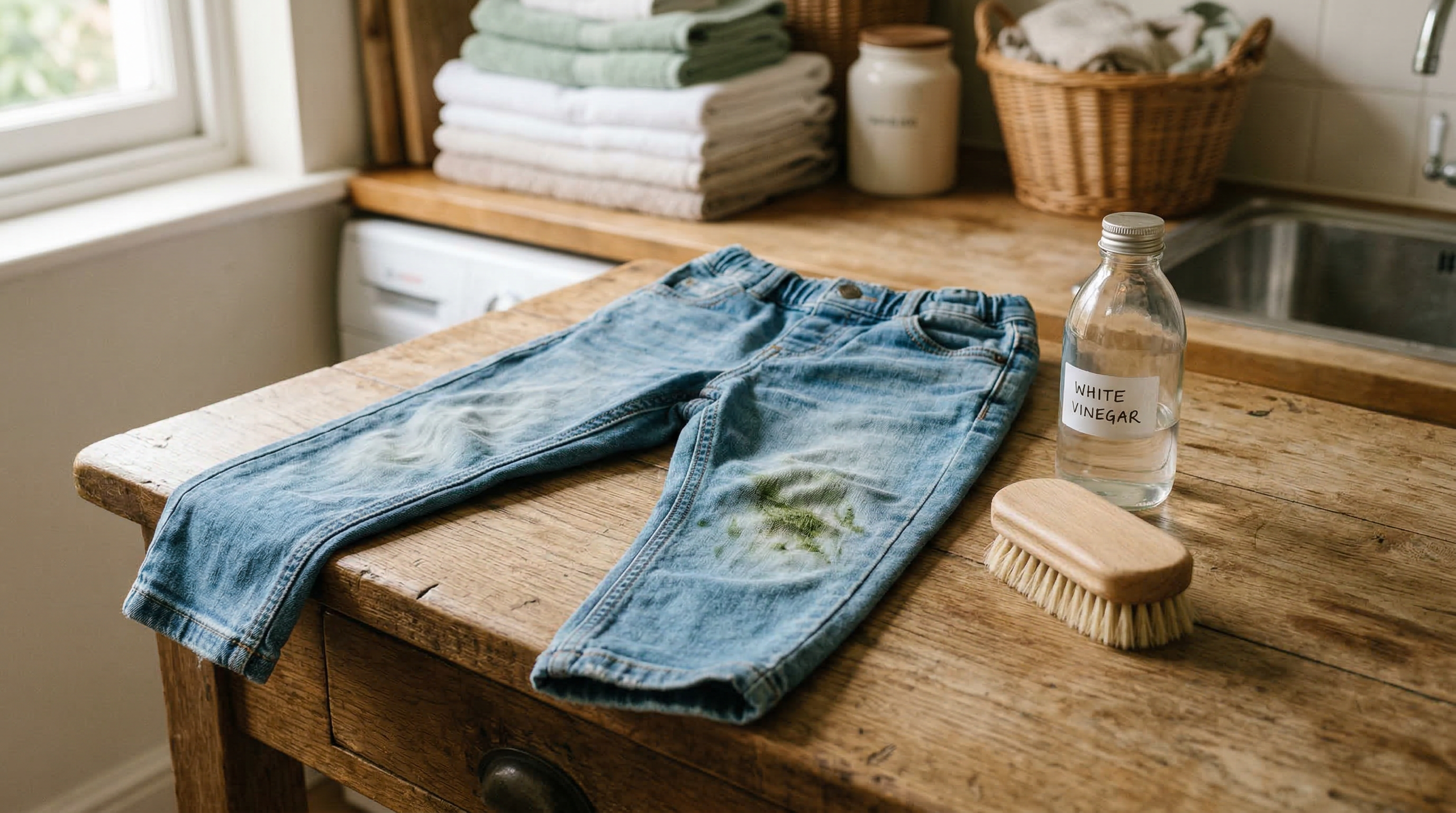
Grass stains are a fact of life for anyone who spends time outdoors — children playing in the yard, adults gardening, anyone sitting on a lawn. The green color that transfers from grass to clothing comes from chlorophyll and other plant pigments, along with proteins and organic compounds from the plant cells themselves. Together, these make grass stains one of the more stubborn categories of fabric stains.
The challenge is that chlorophyll — the primary pigment — is not water-soluble. It doesn't simply rinse away. Instead, it bonds to fabric fibers in a way that requires either chemical breakdown or physical disruption to remove.
Why Grass Stains Are Persistent
When grass is crushed against fabric, it releases its cellular contents — pigments, proteins, and other organic compounds. These penetrate into the fabric fibers and the proteins begin bonding almost immediately. Chlorophyll has a particular affinity for natural fibers like cotton, which is part of why grass stains on cotton clothing can seem almost dyed into the fabric.
The green color is the most visible part of a grass stain, but the protein component is what makes it truly stubborn. Treating only the color without addressing the underlying protein bond often results in a stain that returns after washing, or one that fades but never fully clears.
Don't Let It Dry Without Treatment
Grass stains that have dried are significantly harder to remove than fresh ones. The protein components set more firmly as they dry, and the chlorophyll bonds more deeply to the fabric fibers. If a garment has dried with a grass stain untreated, it's not hopeless — but it requires more work and more patience.
For fresh stains, the priority is to start treatment as soon as possible without using heat or hot water, which will set the proteins in the stain.
White Vinegar: First Line of Treatment
White vinegar is effective on grass stains because its acidity breaks down chlorophyll and disrupts the plant protein bonds. Pour undiluted white vinegar directly onto the stain and let it soak for fifteen to thirty minutes. You may see the green color begin to change slightly as the vinegar works.
After soaking, work a small amount of dish soap into the stain and scrub gently with a soft brush — an old toothbrush is ideal. Rinse with cold water. This combination of vinegar and dish soap addresses both the protein component and the pigment, and handles the majority of fresh grass stains effectively.
Enzyme Cleaners for Protein Breakdown
Enzyme-based pre-treatments are particularly well-suited to grass stains because they target the protein compounds that standard cleaning can't reach. Apply an enzyme pre-treatment to the stain, work it in gently, and let it sit for the maximum time recommended on the product — often up to an hour or more.
If you don't have a commercial enzyme cleaner, liquid biological laundry detergent applied directly to the stain and left to pre-treat achieves similar results, as it contains the same enzyme types.
Rubbing Alcohol as a Solvent
Chlorophyll is more soluble in alcohol than in water. Applying rubbing alcohol to a grass stain helps dissolve the chlorophyll pigment and lift it from the fabric. Dampen a clean cloth with rubbing alcohol and press it onto the stain rather than rubbing — rubbing can spread the pigment across a wider area of the fabric.
Work from the outer edge of the stain inward. Replace the cloth as it picks up green color. Follow with dish soap and cold water to clean the alcohol residue before laundering.
Test rubbing alcohol on a hidden area of colored fabrics first, as it can affect certain dyes.
Baking Soda Paste
For dried grass stains, rehydrate the stained area with cold water first, then apply a paste of baking soda and water. Work the paste gently into the stain and let it sit for thirty minutes. The mild abrasiveness helps loosen dried plant material from the fibers while the alkalinity of baking soda supports pigment breakdown.
Follow with dish soap treatment and rinse thoroughly before laundering.
Hydrogen Peroxide on White Fabrics
On white cotton, hydrogen peroxide can address any lingering discoloration after other treatments. Apply it to the stain, let it fizz for ten minutes, and rinse. It's particularly useful for the yellowish or brown tinge that sometimes remains after the green has been removed.
As always, don't use hydrogen peroxide on colored fabrics without a test.
Jeans and Dark Fabrics
Grass stains are particularly common on jeans, where the dark fabric can mask the stain until it's been set. The same treatment principles apply, but avoid hydrogen peroxide and test vinegar on a hidden seam before applying it to a visible area.
For denim, dish soap worked in with a soft brush followed by cold water rinse is the safest general approach. Enzyme pre-treatment handles whatever remains before laundering.
Children's Clothing
Children's clothes often arrive home with grass stains that have dried. Soaking the garment in cold water for thirty minutes before applying any treatment helps rehydrate dried stains and makes them more responsive. A soak with a capful of white vinegar added to the water combines the hydration step with early treatment of the pigment.
Machine Washing
After pre-treatment, wash the garment in cold or warm water — not hot — with a good laundry detergent. Hot water can set any residual protein compounds from the grass stain. Check the stain before drying. A grass stain that appears gone on a wet garment may become more visible once dried — particularly the protein component, which can leave a faint shadow.
Repeat pre-treatment and washing if needed. Grass stains sometimes require two rounds of treatment, particularly when dried, but they're rarely beyond full removal with persistence.
Related articles
Grandma Knows: How to Remove Tomato Sauce from Clothing
Tomato sauce stains are vivid and quick to set. Learn the right sequence of treatments to remove tomato stains from clothing before they become permanent.
Grandma Knows: How to Remove Grease from Clothes
Grease stains on clothes are tricky but not impossible. Discover proven household methods using baking soda, dish soap, and patience.
Grandma Knows: How to Remove Blood Stains from Fabric
Blood stains on fabric respond to cold water and the right approach. Learn which methods work on fresh and dried blood without damaging your clothes.