
10 Foods That Last Much Longer Than You Think
Learn which everyday pantry staples stay fresh far beyond their labels—and the simple storage methods that make it happen.
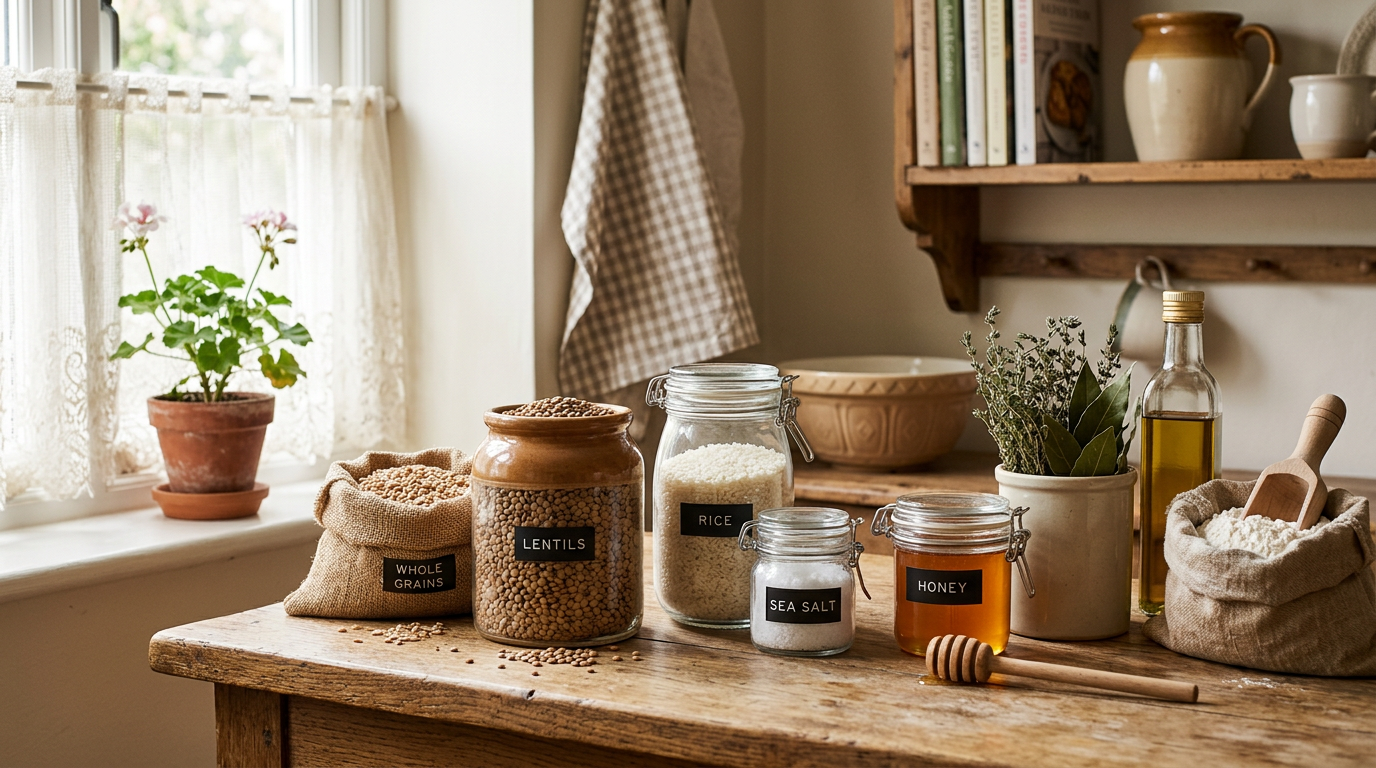
There's a quiet efficiency that comes from understanding your food. Not in a calculated, spreadsheet way, but in the lived, observational way that comes from watching what actually happens in your kitchen when you pay attention. Which vegetables soften first. Which oils turn rancid. Which pantry items sit contentedly in the back of a shelf for months longer than expected.
This knowledge—the kind that develops slowly through small experiments and honest mistakes—has always been one of the most practical inheritances of home life. When you understand which foods genuinely keep well and why, you waste less, spend less, and feel more capable in your own kitchen. You stop throwing away perfectly good food out of conservative habit, and you start making decisions based on actual evidence rather than the printed date on a label.
Why Expiration Dates Tell an Incomplete Story
Food labels are helpful guides, but they're designed with caution in mind. Manufacturers set expiration and "best by" dates conservatively, and they test foods under ideal conditions that your actual kitchen may or may not replicate. A date on a jar or container is really saying: "under standard conditions, this product maintains peak quality until this point." It's not a hard cutoff between safe and unsafe.
What matters more is understanding how each food behaves in your specific environment. How humid is your kitchen? How stable is your temperature? Are you storing things in glass or plastic? Do you keep your pantry door sealed tight, or does it swing open regularly? These practical conditions change everything about how long something actually lasts.
The foods that last longest are those whose breakdown happens slowly and predictably. They don't spoil suddenly; they gradually lose quality. Learning to recognize that gradual change—and knowing when it matters and when it doesn't—is the real skill.
Honey: The Food That Doesn't Spoil
Honey is almost miraculous in its permanence. A jar of honey can sit in your pantry for years, and the only changes you'll notice are cosmetic ones. It may crystallize, turning grainy and thick, but this isn't spoilage—it's just honey reverting to a more solid state. You can reliably restore it by placing the jar in warm (not hot) water until it liquefies again.
Why does honey last indefinitely? Its high sugar content and natural acidity create an environment where bacteria and mold cannot thrive. There's essentially nothing in honey that can rot. This is why honey found in ancient Egyptian tombs is still edible today.
The only real threat to honey is moisture. If water gets into the jar—usually from a wet spoon dipped directly into the container—the honey can eventually ferment or mold at the surface. This is easily prevented by always using a dry spoon and keeping the lid sealed. Many people keep honey indefinitely without any special storage considerations at all, though a cool, dark cupboard will help preserve subtle flavor notes longer.
Olive Oil and Other Oils: Longer Than You'd Expect, With Caveats
Good olive oil typically lasts much longer than people assume—often 18 to 24 months or more past purchase, sometimes longer. The key is understanding what actually threatens it: light, heat, and oxygen exposure.
Extra virgin olive oil is more vulnerable than refined oil because its flavor compounds break down more quickly. But this doesn't mean it spoils in the traditional sense. It simply becomes rancid, losing its pleasant taste and developing a musty, off flavor. Rancidity isn't dangerous, but it's unpleasant and wastes good oil.
Protect oil by storing it away from direct sunlight, away from heat sources like stoves, and in a cool, dark cupboard. If you buy oil in large quantities, keep the main bottle sealed in a cool place and pour smaller amounts into a working bottle you use regularly. This minimizes the number of times you open the main container, reducing oxygen exposure.
Coconut oil behaves differently—it's more stable due to its high saturated fat content and can last several years in a cool cupboard. Vegetable and seed oils fall somewhere in between. The best approach is to buy oils in quantities you'll use within a reasonable timeframe rather than hoarding them, then store thoughtfully in your coolest, darkest space.
Hard Cheeses: Often Good Far Beyond Their Date
A block of hard cheese—Parmesan, Cheddar, Gruyère—sits in the refrigerator developing character. These cheeses age naturally, and they're quite robust. A block can often be used safely weeks or even months past its printed date, as long as it's been properly stored and shows no signs of active mold (other than the natural rind).
What you're looking for is simple: does it smell off? Not aged or pungent, but genuinely unpleasant? Does it have slimy spots or unexpected mold growth inside the block? If the answer is no to both, it's almost certainly fine to use. Hard cheeses are preserved foods—that's part of what makes them hard cheeses.
A light surface mold on a hard cheese block can simply be cut away, and the rest remains good. The dense structure of hard cheese doesn't support bacterial growth the way softer foods do. Store these cheeses wrapped well to prevent them from drying out, and they'll keep remarkably long. Many people keep a good Parmesan wedge in the refrigerator for four, five, even six months past purchase.
Vinegar: Nearly Eternal Storage
Vinegar is one of the most stable foods you can keep. Apple cider vinegar, white vinegar, rice vinegar, wine vinegar—all of them last essentially indefinitely in a cool, dark place. The acidity that gives vinegar its bite is also what makes it nearly impossible to spoil.
You might notice vinegar becoming cloudier over time, or a sediment forming at the bottom. This is the mother—a harmless collection of beneficial bacteria. In fact, many people keep vinegar specifically to cultivate the mother for making new batches of vinegar or for use in gut health routines. This isn't a sign of spoilage; it's a sign that the vinegar is alive and active.
The only real concern with vinegar is evaporation. Over many years in an open or loosely sealed container, some of the liquid will evaporate, concentrating the vinegar further. But the product itself won't go bad. Store vinegar with a sealed cap, preferably in a cool place, and it will serve you reliably for years.
Dried Beans and Legumes: Much Longer Than a Few Years
A bag of dried beans stored in a cool, dry cupboard will last for years—often five, ten, or longer. The date you see on the package is more about texture quality than food safety. Very old beans might take longer to cook and won't soften quite as much as fresh ones, but they won't make you sick.
The secret to long storage is keeping them dry and cool. Beans are seeds, and seeds are designed by nature to remain viable for extended periods. Transfer them to airtight containers or keep them in their original bag sealed tightly. If you notice any sign of insects or moisture, that's when to discard them. Otherwise, dried beans are one of the most reliable pantry staples.
Lentils follow the same pattern. Red lentils, green lentils, brown lentils—all of them store reliably for years. Split peas last well too. These foods are nutritionally dense, economical, and so stable that keeping a varied collection of them means you always have the foundation for a nourishing meal available.
Whole Grains and Flours: Understanding the Real Timeline
Whole grain flours and meals—like whole wheat flour, cornmeal, and oat flour—have shorter shelf lives than refined white flour because their natural oils can go rancid. However, "shorter" is relative. A container of whole wheat flour stored in a cool pantry or, better yet, in the refrigerator or freezer, will last a year or more. Many people successfully keep whole grain flours for two years or longer when stored carefully.
The strategy is to store them somewhere cool. Room temperature works if your kitchen stays genuinely cool, but many kitchens fluctuate with cooking heat and seasonal warmth. A dedicated shelf in the back of the refrigerator, or even better, the freezer, extends the life substantially. You don't need to thaw grain products before using them—the moisture content of most recipes brings them to room temperature quickly.
White flour, by comparison, lasts essentially indefinitely at room temperature in a sealed container. It's refined, meaning the oils have been removed, leaving a product that's very stable. All-purpose flour, bread flour, pastry flour—these will sit in your cupboard for years without significant quality loss.
Root Vegetables: Patient Keepers in the Right Conditions
Potatoes, onions, and garlic are legendary for their storage capacity, and deservedly so. A cool, dark, well-ventilated space—like an old-fashioned root cellar, or a cool basement shelf, or even a paper bag in a shaded corner of the garage—can keep these vegetables fresh for months.
Potatoes last longest when stored around 50°F in darkness. They'll last weeks at room temperature, and months in truly cool conditions. The key is preventing them from sprouting and from developing green patches (which indicate solanine, a mild toxin). Check them occasionally, and remove any that show soft spots, but otherwise, let them be.
Onions and garlic last even longer—often several months in a cool place. Garlic, stored whole and unpeeled in a cool, dry spot, will last four to six months easily, sometimes longer. These vegetables are biologically designed to store energy over time, which is why they last so well.
Even carrots and beets, stored in the coolest part of your refrigerator or in a cool basement, will keep for weeks beyond what most people expect—sometimes a month or more. The cold slows their metabolism and preserves firmness.
Canned Goods: Quality Outlasts Safety Concerns
Canned goods are among the most stable foods available. A can of tomatoes, beans, vegetables, or fruit can last for years past its expiration date. The canning process—heating food in a sealed, airless environment—creates conditions where spoilage bacteria cannot survive.
What changes over time is quality. Colors may fade, textures may soften slightly, flavors may mellow. But safety is rarely the concern with properly sealed canned goods. A can from several years ago, stored in a reasonable kitchen environment, is almost certainly still safe to eat.
The real risks with canned goods are dents, bulges, or leaks—signs that the seal has been compromised. Inspect the can visually, and if it's intact, the contents are almost certainly fine. Many people successfully use canned goods for years past the printed date.
Dried Fruits and Nuts: Longer Than Expected, With Storage Nuance
Dried fruits—raisins, cranberries, apricots, dates—last much longer than fresh fruit, sometimes a year or more in a sealed container in a cool place. They may become slightly harder or drier, but they won't spoil. Some people keep dried fruits for two or three years without issue.
Nuts are trickier because their natural oils can go rancid, but whole nuts in the shell last considerably longer than shelled nuts. Shelled nuts benefit from refrigeration or freezing. A bag of walnuts or almonds stored in the refrigerator will last many months, often more than a year. In the freezer, they'll last even longer.
The question with older nuts and dried fruits isn't safety but flavor and texture. They'll be fine to eat, but the taste may have dulled. This is rarely a problem if you're using them in baked goods, where they'll be incorporated into a larger flavor profile anyway.
Salt and Sugar: The Eternal Staples
Salt and sugar deserve mention simply because they're so reliably permanent. Both are chemically stable and essentially immune to spoilage. A container of salt will last indefinitely, as will sugar, whether white, brown, or in other forms.
The only practical concern with brown sugar is that it can harden in humid conditions or with age. This is easily fixed by adding a slice of apple or bread to the container for a day or two, which transfers moisture and softens it. Otherwise, these sweetening and seasoning staples are among the most reliable things in any kitchen.
Building a Practical Relationship With Your Food
Understanding which foods last longer changes how you shop and store things. You stop treating expiration dates as absolute rules and start treating them as starting points for observation. You become attuned to how things actually look, smell, and taste in your kitchen—the particular temperature of your refrigerator, the humidity of your pantry, the way light comes through your windows.
This awareness leads to less waste, more confidence, and a deeper knowledge of your own home. You stop discarding food out of habit and start making decisions based on evidence. Over time, this becomes second nature—a quiet competence that makes everyday cooking simpler and more economical.
The foods that last longest are often the ones humans have relied on for generations: grains, legumes, salt, honey, preserved items. There's wisdom in that pattern. Our ancestors understood which foods were reliable, which could be stored for winter or lean times, which could be depended on. That same knowledge, applied thoughtfully in a modern kitchen, remains profoundly practical.
Related articles

How Slow Cooking Improves Focus
Understand why pace matters in food preparation.
9 Things You Should Never Put in the Dishwasher—And Why Hand Washing Matters
Some kitchen items deserve the gentle care of hand washing. Learn which treasured pieces to protect and why this simple practice preserves what matters most.
The One Food You Should Never Reheat—and Why It Matters More Than You Think
Some kitchen rules exist for good reason. Learn which common food poses real danger when reheated and why this matters for your family's health.