
10 Foods That Are Still Safe to Eat After the Date
Understanding which foods remain safe beyond their printed dates helps reduce waste and stretch your budget without risking your family's health.
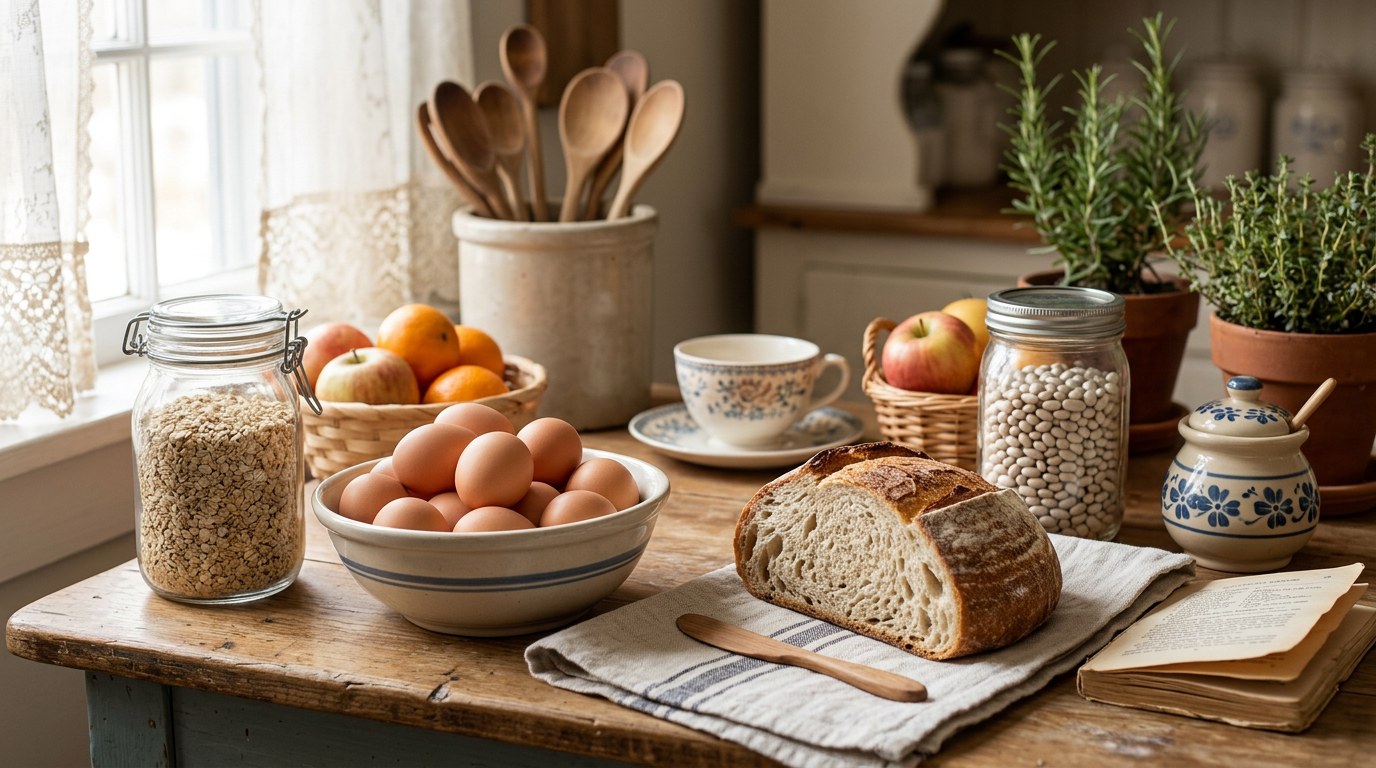
There's a quiet moment many of us experience in the kitchen: you reach for something familiar, check the date, and pause. The numbers have passed. The first instinct is often to throw it away, but the reality of food safety is far more nuanced than those printed dates suggest. Understanding what actually happens to food over time—and which items hold their safety and quality well beyond their label—is practical knowledge that saves money, reduces waste, and reflects a more thoughtful relationship with what we bring into our homes.
The dates on packages are often misunderstood. Most are not hard safety cutoffs but rather manufacturer estimates of peak quality. The "sell by" date is guidance for stores. The "best by" date reflects when the maker believes the product tastes and performs its best. Only infant formula carries a true safety deadline enforced by law. Everything else exists in a grayer space where personal inspection and common sense matter more than the calendar.
This doesn't mean dates are meaningless—they're useful reference points. But they're not the final word. What matters is understanding the nature of each food, how it's been stored, and what signs actually indicate spoilage. This is the kind of knowledge that, when learned well, becomes almost intuitive—a quiet confidence in your own judgment rather than blind reliance on printed numbers.
1. Dried Pasta and Grains
Dried pasta, rice, oats, and similar grains are among the most stable foods in your pantry. They're already stripped of moisture, the primary vehicle for bacterial growth and decay. A box of pasta from two or three years ago, stored in a cool, dry place, will cook identically to one from last month. The main change over very long periods—five years or more—is a slight loss of flavor and, in the case of whole grain products, a potential turn toward rancidity as natural oils oxidize. But for conventional white pasta and white rice, years past the printed date pose no safety concern whatsoever.
The key is storage. Pasta kept in a pantry is fine. Pasta stored in a damp cabinet or exposed to temperature swings will deteriorate faster. Keep these items in airtight containers if you want to extend their lifespan even further and protect them from pantry pests. Check for off smells or visible damage before cooking, though these are rare in dried goods.
2. Canned Goods (Low-Acid)
Canned vegetables, soups, and other low-acid foods sealed properly in a can are protected from the two main threats to food: air and bacteria. The canning process creates an anaerobic environment where harmful organisms cannot survive. A can of beans, carrots, or chicken from five, ten, or even fifteen years ago—if the can itself is not damaged, swollen, or rusted—remains entirely safe to eat.
What changes is texture and some nutrients. Canned vegetables may become softer. Colors may fade slightly. But the food inside doesn't spoil in the way fresh or open foods do. Before opening, inspect the can carefully. Look for deep rust, swelling, or obvious damage. If the can is intact, open it with confidence. The contents may not be as vibrant as a recently canned version, but they're safe and still nourishing. This is why people who live through shortages or uncertainties often trust canned goods so deeply—they're genuinely reliable.
3. High-Acid Canned Foods (Pickles, Tomatoes, Jams)
The acid in these foods—whether from vinegar, citrus, or the food itself—creates an inhospitable environment for dangerous bacteria. A jar of homemade pickles or store-bought pickled vegetables from last year is safe. Commercial jams and jellies, due to their sugar content and acid, last for years. Canned tomatoes and tomato sauce also fall into this category. The high acidity prevents the growth of botulism and other hazards.
Again, the container must be intact and properly sealed. Look for mold on the surface or unusual discoloration. If the jar sealed properly when canned or bottled, it's safe well beyond the printed date. Home cooks have relied on this for generations when preserving seasonal abundance—a jar of jam made in July can still be eaten confidently in January or even the following summer if kept cool and dark.
4. Hard Cheeses
Cheddar, parmesan, and other aged, hard cheeses are fundamentally different from soft cheeses. They're low in moisture and high in salt, making them hostile to bacterial growth. A block of cheddar from several months past its date, stored properly in the refrigerator, is fine. You may see some mold on the surface—simply cut it away. The interior cheese underneath is protected.
Soft cheeses like brie, ricotta, or fresh mozzarella are another story entirely—discard these if they're past date or showing any off smell. But hard varieties are quite forgiving. Wrap them well to prevent them from drying out or picking up flavors from the refrigerator, and they'll keep far longer than most people expect.
5. Butter
Butter is almost entirely fat, and fat is slow to go bad. Salted butter especially can last months past its date if kept in the refrigerator, sometimes over a year in the freezer. You might notice a slight shift in flavor—butter can pick up odors from the fridge—but it remains safe. The printed date is typically conservative, accounting for typical storage conditions.
Unsalted butter, lacking salt's preservative effect, has a shorter window, but it's still safe longer than the date suggests. If you keep butter for an extended time and notice an off or rancid smell, discard it. Otherwise, trust your senses. Frozen butter lasts even longer and thaws perfectly well when needed, making it a smart strategy if you buy in bulk.
6. Soy Sauce and Other Fermented Condiments
Soy sauce, miso paste, and other fermented products have already undergone transformations that make them resistant to spoilage. The fermentation process creates an environment where beneficial bacteria thrive and harmful ones cannot. These foods can last for years, even at room temperature, though refrigeration slows any eventual changes. Check for off smells or visible mold before using, but a bottle of soy sauce from years ago is very likely fine.
The same applies to hot sauces, tamari, fish sauce, and similar condiments. They're intentionally designed to last. This is why they've been staples in kitchens for centuries—their longevity is part of their purpose.
7. Honey
Honey is a remarkable substance. Its low water content and natural acidity make it virtually imperishable. Archaeologists have found honey in ancient Egyptian tombs that was still edible. Home jars from years past are completely safe. You may notice crystallization over time—this is cosmetic and easily remedied by gently warming the jar in warm water. There is no date at which honey becomes unsafe to eat.
This is one of those foods that genuinely justifies buying larger quantities. A large jar of quality honey will be there for you indefinitely, sweetening tea, recipes, and breakfasts far into the future.
8. Dried Fruits and Nuts
Dried fruits like raisins, apricots, and cranberries have had their water content significantly reduced, which slows decay considerably. A bag from several months past its date is safe. What changes is texture—dried fruits may become harder over time—and flavor may fade. But there's no safety risk. Store them in a cool, dry place or in the refrigerator to extend their lifespan and keep them from getting too hard.
Raw nuts, with their natural oils, have a shorter window than dried fruits but still last far longer than typical printed dates. Roasted nuts, with oils that have been heat-treated, last even longer. Rancidity is the concern with nuts, not bacterial growth. If they smell off or taste bitter, discard them. Otherwise, they're fine months past the date.
9. Frozen Foods (Beyond Printed Dates)
Freezing halts the processes of decay and bacterial growth almost entirely. A frozen item from two or three years ago, if it's been kept solidly frozen, is safe to eat. Freezer burn—that grayish discoloration—indicates exposure to air and loss of quality, not unsafe food. The item may be less pleasant to eat, but it's not spoiled.
What matters is consistent freezing. Food that's thawed and refrozen multiple times will deteriorate faster. And very long freezing (beyond five or seven years) may affect quality more noticeably, though safety remains fine. Frozen meats, vegetables, and prepared foods all follow this principle. The date is about quality assurance, not a safety deadline.
10. Root Vegetables and Winter Squash (Stored Properly)
These aren't typically date-labeled, but they deserve mention for their remarkable staying power. Potatoes, onions, garlic, winter squash, and similar items, if stored in cool, dark, well-ventilated conditions, can last for months. A potato or squash from many weeks or months earlier, if kept properly and showing no sprouting or rot, is entirely safe. Check for soft spots, mold, or sprouting before use, but a wrinkled skin or minor blemishes don't indicate spoilage.
This is traditional storage wisdom: keep your root vegetables and squash in a cool basement, root cellar, or garage, and they'll sustain you through seasons. Many families have done this for generations, not from nostalgia but because it works.
The Principles That Matter
Understanding food safety beyond printed dates comes down to a few core principles. First, know the nature of the food: Is it high in water? High in fat? High in acid? High in salt? Each of these factors determines how quickly it spoils. Second, storage matters enormously. Temperature stability, protection from air and light, and cleanliness of containers all extend safe storage life. Third, trust your senses. Smell, appearance, and taste are your final arbiters. If something seems off, it probably is.
Finally, understand that dates are guidelines, not laws. They're conservative estimates designed to protect manufacturers and retailers more than to protect you. Your own judgment, informed by understanding how foods actually work, is a valuable skill. It saves money, reduces waste, and connects you to a deeper knowledge of your own kitchen.
The goal is not to be reckless—food safety matters, and some foods truly do need to be treated carefully. But it's also not to be wasteful based on arbitrary numbers. Finding the balance, knowing when to trust the date and when to trust yourself, is the quiet competence that makes a kitchen feel like home.
Related articles

How Slow Cooking Improves Focus
Understand why pace matters in food preparation.

9 Things You Should Never Put in the Dishwasher—And Why Hand Washing Matters
Some kitchen items deserve the gentle care of hand washing. Learn which treasured pieces to protect and why this simple practice preserves what matters most.
The One Food You Should Never Reheat—and Why It Matters More Than You Think
Some kitchen rules exist for good reason. Learn which common food poses real danger when reheated and why this matters for your family's health.