
Never Store These 9 Foods Together: Traditional Knowledge About Kitchen Storage That Actually Works
Learn which foods release gases that spoil others, and the practical storage wisdom that keeps your kitchen organized and your groceries fresher longer.
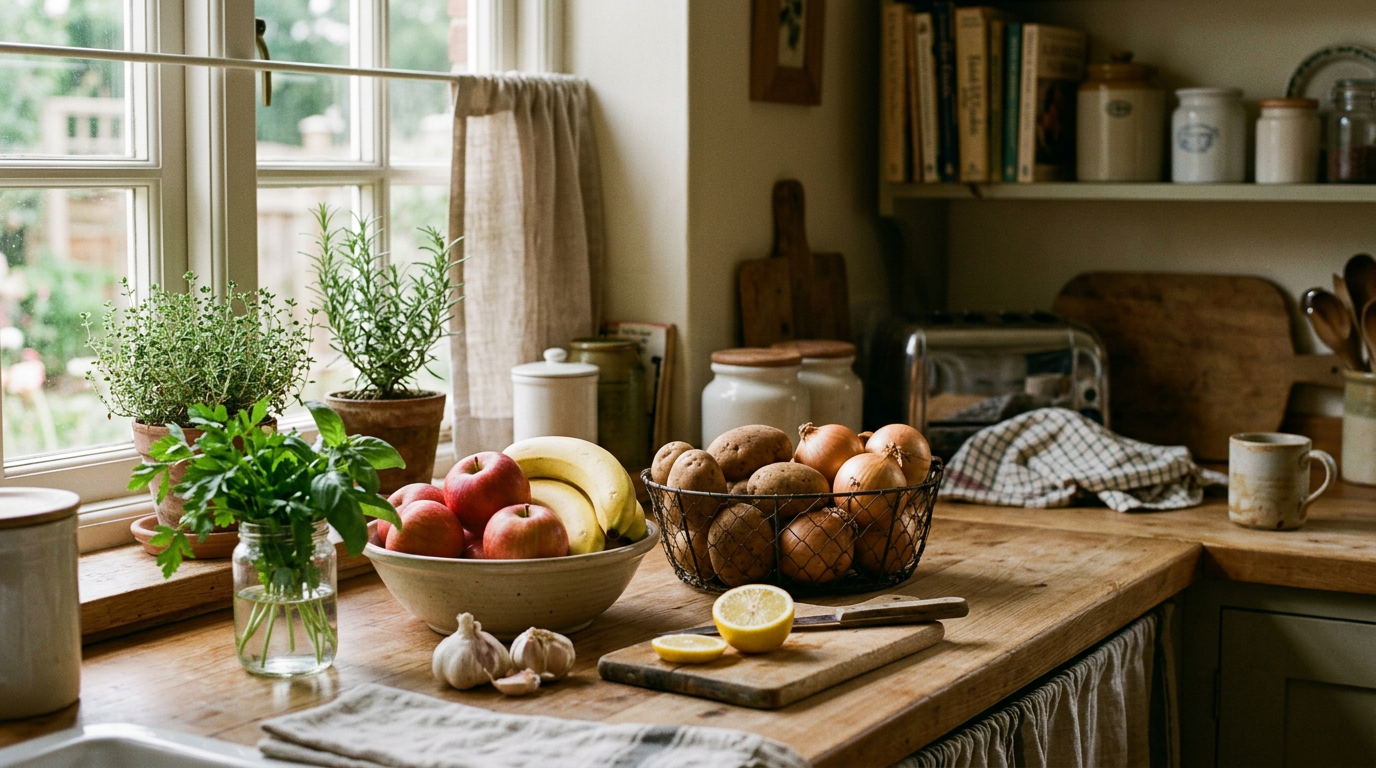
There's a particular kind of satisfaction that comes from opening your refrigerator and finding everything exactly as you left it—crisp, fresh, and ready to use. It's a small thing, but it matters. Over the years, home cooks have learned through repeated trial and error which foods simply don't belong near each other. This isn't about organization preferences or label-making systems. It's about understanding how foods interact at a chemical level, and using that knowledge to preserve what you've brought into your home.
The reason certain foods spoil faster when stored together has everything to do with ethylene gas—a natural plant hormone that fruits and vegetables release as they ripen. Some foods are what we call "ethylene producers," while others are "ethylene sensitive." When a strong ethylene producer sits next to something sensitive, the sensitive food ripens or deteriorates far more quickly than it would alone. This isn't a problem with your refrigerator or your shopping habits. It's simply how produce behaves, and understanding it changes everything about how long your groceries actually last.
Why This Matters More Than You Might Think
Before diving into specific combinations, it's worth understanding why this knowledge is genuinely valuable. When you store foods incorrectly, you're not just losing a few dollars here and there. You're wasting the time you spent shopping, the mental energy of meal planning, and the environmental cost of food that never gets eaten. More subtly, you're also working against your own best intentions—when produce spoils faster than expected, you're more likely to rely on processed foods or takeout simply because your fresh groceries didn't last as long as they should have.
There's also something deeply satisfying about storage that works. When you understand these patterns, your kitchen becomes more efficient. You waste less. You cook more confidently because you know your ingredients will be ready when you need them. This is the kind of practical knowledge that, once learned, becomes second nature—the way you just know to store onions separately, or that potatoes and apples have always been kept apart.
Apples and Potatoes: A Classic Pairing to Avoid
Apples are some of the strongest ethylene producers in your kitchen. They release this ripening gas continuously, even when refrigerated. Potatoes, on the other hand, are extremely sensitive to ethylene. When stored together, apples will cause potatoes to sprout far more quickly than they normally would. A potato that might last three weeks in cool, dark conditions can begin sprouting within days if an apple is nearby.
The practical solution is simpler than it sounds: keep apples in the coldest part of your refrigerator—usually the back of a lower shelf—and store potatoes in a cool, dark cupboard or pantry instead. This separation serves another purpose too. Potatoes actually prefer slightly warmer conditions than your refrigerator provides. The cold can convert some of their starches to sugar, changing their flavor and texture in ways you might not want. By storing them separately in a cool pantry, you're giving each food its ideal environment.
Bananas Near Almost Everything: The Strongest Ethylene Producer
Bananas are the heavyweight champion of ethylene production. A single bunch of bananas in your fruit bowl will ripen everything nearby at double speed. This becomes a real problem if you're trying to keep other fruits fresh for more than a day or two.
The practical wisdom here involves understanding what you actually want to happen. If you're buying bananas and hoping they'll last a week, you need to isolate them completely—ideally in their own container or even wrapped individually. If you actually want other fruits to ripen quickly (say, you bought hard avocados or firm pears), then yes, place them near the bananas. But if you want a slower, steadier ripening pattern across your fruit, bananas need their own space.
One old trick worth remembering: separate bananas from the bunch. A bunch ripens faster because the ethylene is concentrated. Individual bananas, stored separately, not only produce less localized gas but also ripen more slowly overall. Wrapping the crown of separated bananas in plastic wrap slows gas release even further.
Tomatoes and Cucumbers: A Texture and Flavor Problem
This pairing is less about ethylene and more about the competing moisture needs of these two vegetables. Tomatoes prefer moderate humidity and slightly warmer temperatures. They actually lose flavor when refrigerated below 55 degrees Fahrenheit. Cucumbers, by contrast, prefer cool temperatures and high humidity—they're mostly water and deteriorate quickly in dry conditions.
When stored together in a refrigerator, tomatoes begin to lose their flavor while cucumbers absorb excess moisture from nearby tomatoes and become soft and mushy. This is why farmers market produce stored in separate sections stays fresher. Tomatoes do best on a counter or in the warmest part of your refrigerator (usually a shelf near the door), while cucumbers belong in the crisper drawer where humidity is higher and temperature more consistent.
Avocados and Most Produce: Timing Is Everything
Avocados are ethylene producers, but the real issue is more nuanced. An unripe avocado sitting next to ethylene-sensitive produce will cause that produce to deteriorate while the avocado stubbornly remains hard. A ripe avocado will accelerate ripening in nearby fruits and vegetables.
The solution involves honest assessment of your avocado's ripeness and your actual timeline. If you need an avocado to ripen in the next day or two, keep it separate in a paper bag at room temperature. Once it's ripe, eat it immediately or refrigerate it alone. If you're buying avocados to eat throughout the week, stagger their ripeness intentionally by storing them at different temperatures—one on the counter, one in the crisper—rather than storing them together and hoping for the best.
Onions and Potatoes: Conflicting Storage Needs
This pairing appears on many storage guides, but the real reason is less about chemistry and more about conditions. Onions release moisture and gases as they age, which makes potatoes sprout faster. But more importantly, onions prefer dry conditions while potatoes prefer cool darkness with some air circulation. In an enclosed space together, moisture builds up and both vegetables deteriorate.
Store onions in a cool, dry place with air circulation—a pantry with ventilation, or even loosely in a basket on a counter away from direct light. Store potatoes in a dark cupboard or box where they won't green (exposure to light causes them to produce solanine, a compound that makes them taste bitter). When kept in their ideal conditions separately, both last far longer.
Leafy Greens and Ethylene Producers: Why Your Salad Wilts
Lettuce, spinach, and other greens are extremely sensitive to ethylene. A single apple or banana in the same crisper drawer will cause greens to wilt and deteriorate within days. This is why pre-packaged salad mixes often have shorter shelf lives than you'd expect—they may have been stored near ripening fruit during transit or storage.
The practical solution is to create a dedicated greens zone in your crisper, completely separate from any fruit. Store greens in their original container or wrapped loosely in a paper towel (which absorbs excess moisture without creating the sealed environment that encourages rot). If you buy pre-cut greens, check the date and plan to use them quickly—they've already had their cell walls damaged by cutting, making them more vulnerable to ethylene exposure.
Carrots and Apples: Why Your Carrots Turn Bitter
Carrots are sensitive to ethylene and will deteriorate in flavor and texture when stored near apples or other strong producers. But there's another element here: carrots stored in the same container as apples begin to absorb the apple's flavor, turning slightly sweet or musty-tasting in ways that are subtle but noticeable once you know to look for it.
Keep carrots in a separate crisper drawer, ideally in a plastic bag or container that maintains humidity without trapping excess moisture. They'll keep for weeks this way. When you want to use them, they'll taste like carrots—fresh, clean, slightly sweet—rather than like they've been perfumed by nearby fruit.
Cruciferous Vegetables and Ethylene-Sensitive Produce
Broccoli, cauliflower, and Brussels sprouts are sensitive to ethylene. They'll develop yellow spots and become mushy and strong-smelling when exposed to ethylene-producing fruits. These vegetables also release their own sulfur compounds when they begin to deteriorate, which smells unpleasant and can impart flavors to nearby foods.
Store these vegetables in their own section of the crisper, unwrapped or in a breathable bag. Use them within a week of purchase. Plan your meals around them rather than hoping they'll last—they're at their best when fresh, and their flavor and texture begin declining immediately after harvest. This isn't a failing on your part; it's just the nature of these vegetables.
Berries and Everything Else: Handle With Care
Berries are delicate on every front. They're ethylene-sensitive, yes, but their real issue is that they deteriorate from physical pressure, excess moisture, and mold growth that happens when they're packed too densely. Don't store berries near anything that produces ethylene. Don't wash them before storage—wash them just before eating. And don't layer them too deeply in a container.
The best approach is to give berries their own space, ideally in a small container where they have room to breathe. Line the container with a paper towel to absorb excess moisture. Check the container daily and remove any berries that show signs of mold immediately, before the mold spreads to others. Yes, this requires a bit of attention, but it's less work than the disappointment of berries going moldy in the back of your refrigerator.
Making It Practical: A Real Storage System
Understanding these pairings is valuable, but knowledge only matters if you can actually use it. The most practical approach is to think of your refrigerator in zones. Reserve your crisper drawers specifically for vegetables—one for leafy greens and delicate vegetables, one for harder vegetables like carrots and broccoli. Keep fruit in the main refrigerator section, but separate ethylene producers (apples, bananas, avocados) from each other and away from any vegetables.
For pantry storage, the rule is simpler: potatoes and onions get separate, cool, dark spaces with air circulation. Everything else depends on your kitchen's conditions and what you're actually planning to cook.
This system works not because it's complicated, but because it's based on understanding how produce actually behaves. Once you set it up, it becomes automatic. You put groceries away the same way every time. Your produce lasts longer. You cook more confidently. And there's something genuinely satisfying about opening your refrigerator and finding everything exactly as it should be.
Related articles

How Slow Cooking Improves Focus
Understand why pace matters in food preparation.
9 Things You Should Never Put in the Dishwasher—And Why Hand Washing Matters
Some kitchen items deserve the gentle care of hand washing. Learn which treasured pieces to protect and why this simple practice preserves what matters most.
The One Food You Should Never Reheat—and Why It Matters More Than You Think
Some kitchen rules exist for good reason. Learn which common food poses real danger when reheated and why this matters for your family's health.