
The One Food You Should Never Reheat
Some foods lose more than flavor when reheated. Here's what actually happens and why it matters for your table.
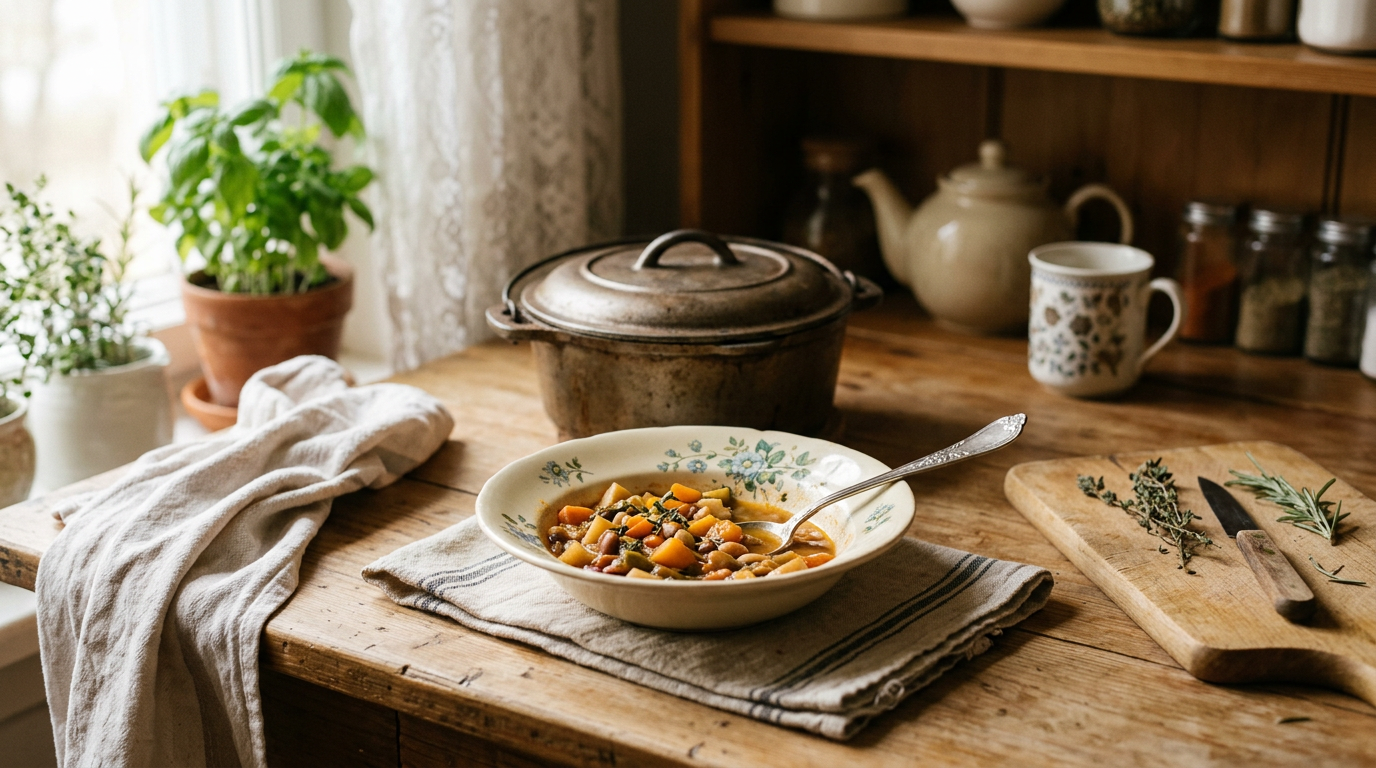
There's a particular kind of knowledge that lives in the kitchen—the sort that doesn't come from nutritional charts or food safety guidelines alone, but from the accumulated experience of people who've cooked thousands of meals and paid attention to what changed. One piece of that wisdom concerns rice, and specifically, why reheating it requires care that goes beyond the usual food safety rules.
Most of us learn early on that you can reheat almost anything: yesterday's roasted chicken, last night's vegetables, leftover soups and stews. These foods often taste better the next day, their flavors mellowed and deepened by time. But rice occupies a different category—it's the one staple food where reheating isn't just about convenience or preference. It's about understanding a real and present food safety concern that most casual cooks don't actually understand, which is exactly why it matters to talk about carefully.
Why Rice Is Different
Rice seems innocent. It's mild, it's versatile, it's been a foundation of cuisines across the world for thousands of years. But rice has a particular vulnerability that other cooked grains don't share quite as acutely: it can harbor spores of a bacterium called Bacillus cereus. This isn't something that grows during cooking. These spores are present in raw rice grains themselves, and they survive the cooking process because they're extraordinarily heat-resistant.
Here's the important part that changes how you think about it: cooking rice doesn't kill these spores. What cooking does is create an environment—warm, moist, slightly acidic—that allows any spores present to germinate into living bacteria. Then, if that cooked rice sits at room temperature or in a warm kitchen, those bacteria multiply. The rice might look fine, smell fine, and taste fine. There will be no visible sign of anything wrong. But the bacterial toxins can accumulate enough to cause food poisoning, sometimes hours after eating.
This isn't a new discovery or a modern food safety panic. This phenomenon has been documented in hospital settings and commercial kitchens for decades. It happens most frequently in restaurant settings where rice is cooked in large batches and held warm for service—and it's preventable, which is why understanding the actual mechanism matters more than just following a rule.
What Actually Happens During Cooking and Storage
When you cook rice, the heat and water work together to soften the grain's exterior and gelatinize the starch inside. That process—the one that transforms hard, dry grains into something tender and edible—is exactly what creates conditions where dormant spores can wake up and multiply.
The critical window is what happens after cooking, during the hours when rice sits at room temperature or in a warm place. If rice cools quickly to below 40 degrees Fahrenheit (about 4 degrees Celsius) and stays there, bacterial growth slows dramatically. If it stays above 140 degrees Fahrenheit, most bacteria won't grow. But that middle zone—where rice often lives after dinner, gradually cooling on a counter or in a warm kitchen—is where problems develop.
This is also why the common advice of "refrigerate leftovers within two hours" exists. Once rice has cooled below that critical temperature and is stored properly, reheating it becomes much safer—but only if you understand what "properly" means in practice.
How to Reheat Rice Safely
The safest approach is to skip reheating rice as a general practice. But that's not practical for most households, and it's not necessary if you understand what you're doing. The key is recognizing that reheating rice isn't like reheating a pot of soup where you just need to get it hot enough to eat. The goal is to reheat it quickly and thoroughly enough to kill any bacteria that may have grown.
Here's what actually works: take refrigerated rice and spread it thinly on a pan or in a wok—not piled up, but spread out so heat can reach all of it quickly and evenly. Add a small amount of liquid (a tablespoon or two of water or broth) to restore some moisture, then heat it over medium-high heat while stirring frequently. The goal is to get the rice steaming hot throughout—not just warm on the outside, but hot enough that steam is rising from it—within a few minutes. This rapid, thorough heating kills bacteria that may have grown during storage.
Microwaving rice is less reliable because microwaves heat unevenly, and some portions of the rice may not reach a high enough temperature to kill bacteria. If you do use a microwave, transfer the rice to a microwave-safe container with a lid, add a small amount of water, and heat in short bursts—one or two minutes—while stirring between bursts to ensure even heating. The rice should be steaming throughout, not just warm on the surface.
Fried rice, which is reheated rice combined with high heat and other ingredients, is actually one of the safer ways to use leftover rice, because the high temperature of the pan and the constant stirring ensure thorough, rapid heating.
Storage That Prevents the Problem
The real control point, though, is what happens in the hours right after cooking. If you're making rice for dinner, consider cooking only what you'll eat that night, rather than cooking extra "just in case." If you do cook extra, spread the hot rice on a clean plate or shallow pan so it cools quickly, then transfer it to a container and refrigerate it within two hours of cooking—sooner is better.
Don't leave rice sitting in a covered pot on the stove or counter while it cools. That traps heat and moisture and creates exactly the conditions where bacteria thrive. And don't refrigerate rice while it's still hot; the moisture and warmth can create condensation and uneven cooling. Let it cool to room temperature on a shallow surface first, then refrigerate.
When rice has been properly refrigerated, it can be stored for three to four days. Beyond that, the risk increases and the texture deteriorates anyway. And rice that's been left at room temperature for more than a couple of hours should be discarded, not refrigerated for later use.
Why This Matters Beyond Food Safety
Understanding why rice needs particular care teaches something broader about how we live with food. It's a reminder that good cooking isn't just about flavor or technique—it's about respect for what we're handling, attention to detail, and recognizing that some things require a different approach because of what they actually are, not because of arbitrary rules.
There's a difference between following food safety guidelines because an authority said so and understanding the reasoning behind them. The second kind of knowledge changes how you make decisions. Once you understand that rice spores survive cooking and that warm, moist rice creates conditions for bacterial growth, you don't need to memorize a rule. You can think through any situation—cold rice, hot rice, a slow cooler, a long car ride—and know what to do.
It's also worth noting that this isn't a reason to fear rice or avoid cooking it. Billions of people cook rice every day without incident. The issue only becomes a problem when rice is cooked in large batches and held warm, or when it's left at room temperature for extended periods, or when it's reheated incompletely. In ordinary home cooking, where we cook a modest amount of rice for dinner and deal with it promptly, the actual risk is quite small—but it's still worth managing thoughtfully.
The Broader Pattern
Rice is the one staple food where this particular concern is most significant, which is why it stands out. But it reflects a larger principle worth applying to all cooking: paying attention to how foods actually behave, understanding the "why" behind food handling practices, and adjusting your approach based on real knowledge rather than rote memorization.
The most reliable cooks aren't those who follow rules most rigidly. They're the ones who understand the reasoning, who notice what's actually happening in their kitchen, and who adjust based on circumstances. That's the kind of knowledge that's genuinely useful over a lifetime of cooking—the kind that lets you make good decisions even in situations you haven't encountered before.
So rice isn't forbidden. It's just one of those foods that asks a little more attention from us. Not out of fear, but out of the kind of practical care that makes everyday cooking safer, better, and more thoughtful. That's the real wisdom in it.
Related articles

How Slow Cooking Improves Focus
Understand why pace matters in food preparation.

9 Things You Should Never Put in the Dishwasher—And Why Hand Washing Matters
Some kitchen items deserve the gentle care of hand washing. Learn which treasured pieces to protect and why this simple practice preserves what matters most.
The One Food You Should Never Reheat—and Why It Matters More Than You Think
Some kitchen rules exist for good reason. Learn which common food poses real danger when reheated and why this matters for your family's health.