
9 Cleaning Tricks That Work Better Than Expensive Products
Discover time-tested cleaning methods using simple ingredients found in most kitchens—techniques that outperform commercial cleaners and cost pennies.
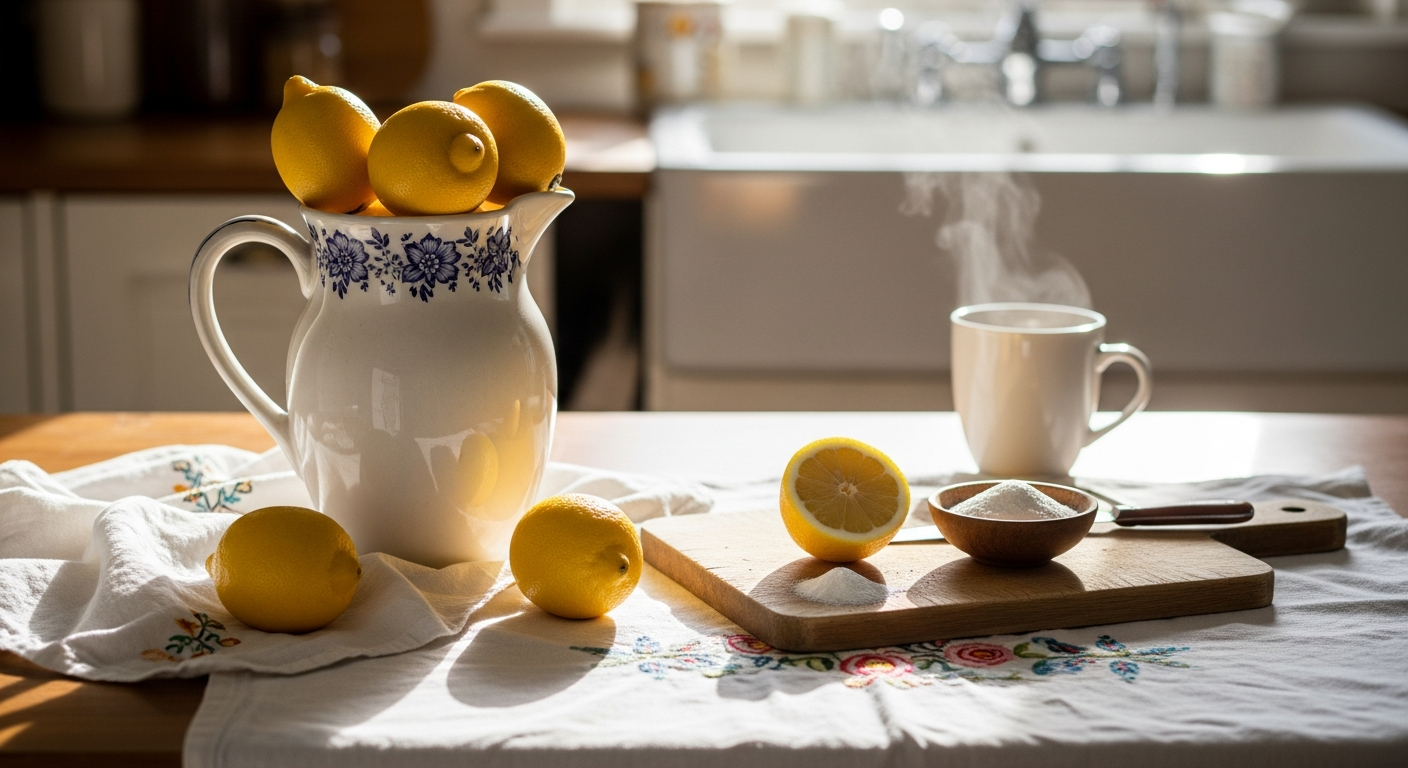
There's a particular kind of satisfaction that comes from cleaning your home with your own hands, using things you understand and trust. Over the years, I've learned that the most effective cleaning solutions aren't always the ones with the longest ingredient lists or the most aggressive marketing. Often, they're the simple ones—the ones that have been working in kitchens and bathrooms for decades, refined through actual use rather than laboratory testing.
The shift toward simpler cleaning methods isn't just about saving money, though that's certainly a pleasant benefit. It's about reclaiming a sense of competence in your own home. When you understand why something works—when you can see the chemistry happening right in front of you—cleaning becomes less of a chore and more of a gentle form of problem-solving. You're not spraying mysterious chemicals and hoping for the best. You're applying knowledge.
Let me share nine cleaning approaches that have proven themselves over time, with enough detail that you'll understand not just how to use them, but why they actually work.
1. Vinegar and Baking Soda for Stubborn Drain Buildup
This one is so simple it's easy to dismiss, but the chemistry is genuinely effective. When baking soda (a base) meets vinegar (an acid), they create a fizzing action that dislodges debris in ways that either substance alone cannot achieve.
Here's the process: Remove any standing water from your drain first—you want direct contact with the buildup. Pour about half a cup of baking soda directly down the drain, followed by one cup of white vinegar. You'll immediately see and hear the fizzing action. This is important: let it work for at least 15 minutes before flushing. The chemical reaction needs time to break apart the accumulated hair, soap residue, and mineral deposits.
After the waiting period, flush the drain with boiling water. The combination of the fizzing action and the heat helps clear everything away. For drains that haven't been maintained in a while, you may need to repeat this process two or three times over consecutive days.
Why this beats commercial drain cleaners: Those expensive drain products often work through caustic chemical reactions that can damage pipes over time and are genuinely hazardous to handle. This method is gentle on your plumbing while still being remarkably effective. It's also the kind of maintenance you can do monthly without worry, which prevents serious clogs from developing in the first place.
2. Salt and Vinegar for Cast Iron Cookware
If you cook with cast iron—and you really should, given how beautifully these pans perform—you know that regular soap is traditionally discouraged. This isn't just old-fashioned thinking; it's practical sense. But what do you do about stuck-on food?
Salt and vinegar create an abrasive paste that scrubs away buildup without damaging the seasoning on your pan. Pour a small amount of white vinegar into the warm pan, then add coarse salt—about two tablespoons. Using a folded paper towel or a soft cloth, rub the mixture around the pan with firm, circular motions. The salt acts as a gentle abrasive while the vinegar cuts through grease.
For particularly stubborn spots, let the salt and vinegar sit for a few minutes before scrubbing. Rinse immediately with hot water and dry thoroughly with a cloth—never let cast iron air dry, as this invites rust. Then, while the pan is still warm, apply a very thin layer of neutral oil (vegetable or canola work well) with a clean cloth, buffing away any excess. This maintains the seasoning and protects the surface.
The reason this method endures: It addresses the actual problem—removing food residue—without introducing substances that would strip away the carefully built seasoning layer. Commercial cast iron cleaners either work through this same basic principle or use harsher chemicals that eventually damage the pan.
3. Lemon Juice for Mineral Deposits and Stainless Steel
Mineral deposits—those white, cloudy marks on faucets, inside kettles, and on glass—are incredibly common in areas with hard water. They're calcium and magnesium buildup, and they respond beautifully to acidity.
For faucet aerators and showerheads, unscrew them and soak them in a bowl of lemon juice or white vinegar for several hours or overnight. The acid dissolves the mineral deposits. Use an old toothbrush to gently scrub away the loosened material, then rinse thoroughly. For kettles or glasses with interior buildup, fill with equal parts water and lemon juice or vinegar, bring to a boil, and let sit for 30 minutes before scrubbing and rinsing.
For stainless steel surfaces, lemon juice offers something beyond mineral removal—it actually brings out shine. Cut a lemon in half and rub it directly onto stainless steel appliances, following the grain of the metal. The natural acidity cleans while the lemon oil creates a subtle, natural-looking shine. Buff with a soft cloth. This works better than many commercial stainless steel polishes because you're using actual organic compounds rather than silicone-based products that can build up over time.
Why it works better: Lemon juice is effective against mineral buildup at the molecular level, not just cosmetically masking it. The results are completely natural and safe, and your kitchen smells fresh in the process.
4. Newspaper or Unprinted Paper for Streak-Free Glass
This is a detail that feels almost counterintuitive—newspaper leaves ink on your hands, so how could it possibly clean glass without streaking? The answer lies in the paper's texture and the very slight residue of printer's ink, which actually helps prevent streaking rather than cause it.
Mix equal parts water and white vinegar in a spray bottle. Spray the glass and wipe with crumpled newspaper, using circular motions. The crumpling creates a slightly rough texture that grabs both the liquid and any residue on the glass. Work from top to bottom to let gravity help you.
If you prefer not to use newspaper (it is becoming less common in homes), unprinted paper towels work reasonably well, though they're not quite as effective. Coffee filters are also excellent—they're absorbent and leave almost no lint behind. The key is texture: smooth paper towels leave lint; textured paper doesn't.
A deeper insight: Commercial glass cleaners often contain ammonia, which does cut through grime, but they also frequently leave residue that causes streaking, particularly on older windows or in areas with mineral-heavy water. The vinegar-and-paper method is simpler and works on virtually every type of glass without any of the chemical residue.
5. Baking Soda Paste for Oven and Stovetop Grime
The inside of an oven accumulates baked-on food, grease, and carbon deposits that feel permanent once they've been there awhile. Commercial oven cleaners are notoriously harsh—they're some of the most toxic products most people keep in their homes.
Baking soda paste is gentle but genuinely effective, particularly if you're willing to give it time. Mix baking soda with just enough water to create a spreadable paste—roughly three parts baking soda to one part water. Spread this paste generously over the interior surfaces of your oven, avoiding heating elements. Let it sit overnight, or for at least 12 hours. The paste will gradually soften the baked-on material.
The next day, spray the paste lightly with vinegar—you'll see the same fizzing action as with the drain cleaner. This additional chemical reaction helps lift remaining debris. Scrape away the paste using a plastic scraper or old credit card (avoid metal, which can damage the oven surface), then wipe clean with damp cloths.
For the stovetop, a baking soda paste works on both gas and electric surfaces. Apply, let sit for 15-30 minutes, then scrub gently and rinse. For really stubborn spots on glass-top electric stoves, add a few drops of dish soap to your baking soda paste—the soap helps break down grease while the baking soda provides gentle abrasion.
Why this is superior: Oven cleaners work through highly caustic chemical reactions that can burn skin and create dangerous fumes. Baking soda is food-grade and completely safe. It works more slowly, yes, but that slowness is actually an advantage—you're not fighting chemistry; you're allowing time to do the work.
6. Castile Soap for General-Purpose Cleaning
Castile soap—a pure, plant-based soap made from vegetable oils—is remarkably versatile and completely different from commercial all-purpose cleaners, which are often detergent-based rather than soap-based.
Mix one part castile soap with nine parts water in a spray bottle, and you have a general cleaner suitable for countertops, floors, walls, and most surfaces. For tougher jobs, increase the ratio to one part soap to five parts water. You can add a few drops of essential oil if you'd like fragrance, though plain castile soap has a mild, pleasant smell of its own.
Castile soap is particularly good for tile and sealed stone because it doesn't leave a residue the way many commercial cleaners do. It actually removes soap buildup rather than adding to it. For bathroom cleaning specifically, add a few drops of tea tree oil to your castile soap solution—the antimicrobial properties help prevent mildew without the harshness of commercial bathroom cleaners.
A practical note: Castile soap can be slightly sudsy in hard water areas. If you notice residue, add a tablespoon of white vinegar to the mixture—the acidity helps compensate and leaves surfaces squeaky clean.
The advantage: You're using one product safely across your entire home rather than keeping five different specialized cleaners. This simplification saves money, reduces chemical exposure, and means you actually understand what you're spraying on surfaces where you prepare food and sleep.
7. Cream of Tartar and Lemon for Brass and Copper
Tarnish on brass and copper happens when these metals oxidize, and the oxidation layer can be stubborn. Cream of tartar—an acidic powder used in baking—combined with lemon juice creates a mildly acidic paste that removes tarnish without being abrasive enough to damage the underlying metal.
Mix equal parts cream of tartar and lemon juice until you have a thick paste. Apply to the tarnished surface and let sit for 5-10 minutes. Rub gently with a soft cloth, working in small circular motions. Rinse with lukewarm water and dry immediately. For heavily tarnished items, you may need to apply the paste a second time.
This is significantly gentler than commercial brass or copper cleaners, many of which are harsh enough to damage the patina and color you may actually want to preserve. If your brass or copper has decorative value beyond pure shine, this gentler approach respects that while still removing unwanted tarnish.
8. Cornstarch for Carpet and Upholstery Freshening
Before expensive dry-cleaning services or commercial carpet fresheners, people used cornstarch. It works through a surprisingly effective mechanism: cornstarch absorbs oils and moisture, which is exactly where odors hide.
For carpets: Sprinkle cornstarch (plain, unscented) generously over the carpet, let it sit for 15-30 minutes, then vacuum thoroughly. For a subtle scent, mix cornstarch with a few drops of essential oil and let the mixture dry completely before sprinkling. The cornstarch absorbs the oil in the scent, distributing it evenly rather than creating wet spots.
For upholstery: The same approach works on couches, chairs, and mattresses. Sprinkle, wait, and vacuum. This is particularly effective on mattresses, where it removes the combination of dust, moisture, and body oils that create that less-than-fresh smell.
For stubborn odors or stains on upholstery, you can create a paste: mix cornstarch with just enough water or lemon juice to create a paste, apply it to the problem area, let it dry completely, then vacuum away. The drying process helps the cornstarch absorb the odor rather than just covering it.
Why this outperforms commercial products: Commercial carpet fresheners are typically fragrance-based—they mask odors rather than removing them. Cornstarch actually addresses the root cause by absorbing the moisture and oils where odors live. The results last longer because you've solved the actual problem.
9. Club Soda for Fresh Spills and Stains
This one feels almost too simple, but the carbonation in club soda makes it surprisingly effective at lifting fresh stains from fabric and carpet before they set.
When something spills, blot it immediately with a cloth to remove excess liquid. Then pour club soda onto the stain and let the carbonation work—you'll see it bubbling and lifting the stain as it works. Blot again with a clean cloth. For wine, juice, or other colored spills, repeat this process until the stain is significantly lighter.
This is particularly effective because you're treating the stain while it's still wet and hasn't bonded to the fibers. Club soda is also completely safe on all fabrics and won't leave residue the way some cleaning solutions do.
For set-in stains, club soda is less effective, but for the immediate response to a spill, it's genuinely one of the best first steps you can take. It buys you time before the stain becomes permanent.
A Broader Perspective
These nine methods share something in common: they rely on understanding how cleaning actually works rather than relying on marketing and complex chemical formulations. Each one addresses the fundamental challenges of household cleaning—cutting through grease, dissolving mineral deposits, lifting stains, absorbing odors—using straightforward chemistry and physics that you can observe and understand.
Switching to these methods involves a slight mindset shift. Commercial cleaners promise instant results, and many of them do deliver that speed. These approaches often require a bit more time, a bit more patience, and occasionally a bit of elbow grease. But in exchange, you get safety, economy, and the quiet confidence of knowing exactly what you're using in your home.
There's also something worth noting about the way these methods integrate into a rhythm of home care. When you use simple ingredients, you tend to think more carefully about when and why you're cleaning. You're less likely to frantically spray chemicals everywhere and more likely to address specific problems thoughtfully. Over time, this tends to lead to homes that are cleaner overall, not because you're working harder, but because you're working more intentionally.
Start with whichever of these methods addresses your most pressing cleaning challenge. Keep the basic ingredients on hand—baking soda, vinegar, castile soap, lemon juice—and you'll find yourself reaching for them more and more. Within a few months, you may find that the expensive specialty cleaners under your sink have been quietly replaced by a simple, capable collection of items that cost a fraction as much and work remarkably well.
Related articles

How Slow Cooking Improves Focus
Understand why pace matters in food preparation.

9 Things You Should Never Put in the Dishwasher—And Why Hand Washing Matters
Some kitchen items deserve the gentle care of hand washing. Learn which treasured pieces to protect and why this simple practice preserves what matters most.

The One Food You Should Never Reheat—and Why It Matters More Than You Think
Some kitchen rules exist for good reason. Learn which common food poses real danger when reheated and why this matters for your family's health.