
If Your Bananas Turn Brown Too Fast, Do This
Learn the practical reasons bananas ripen quickly and discover time-tested methods to slow the process—so your fruit lasts as long as you need it to.
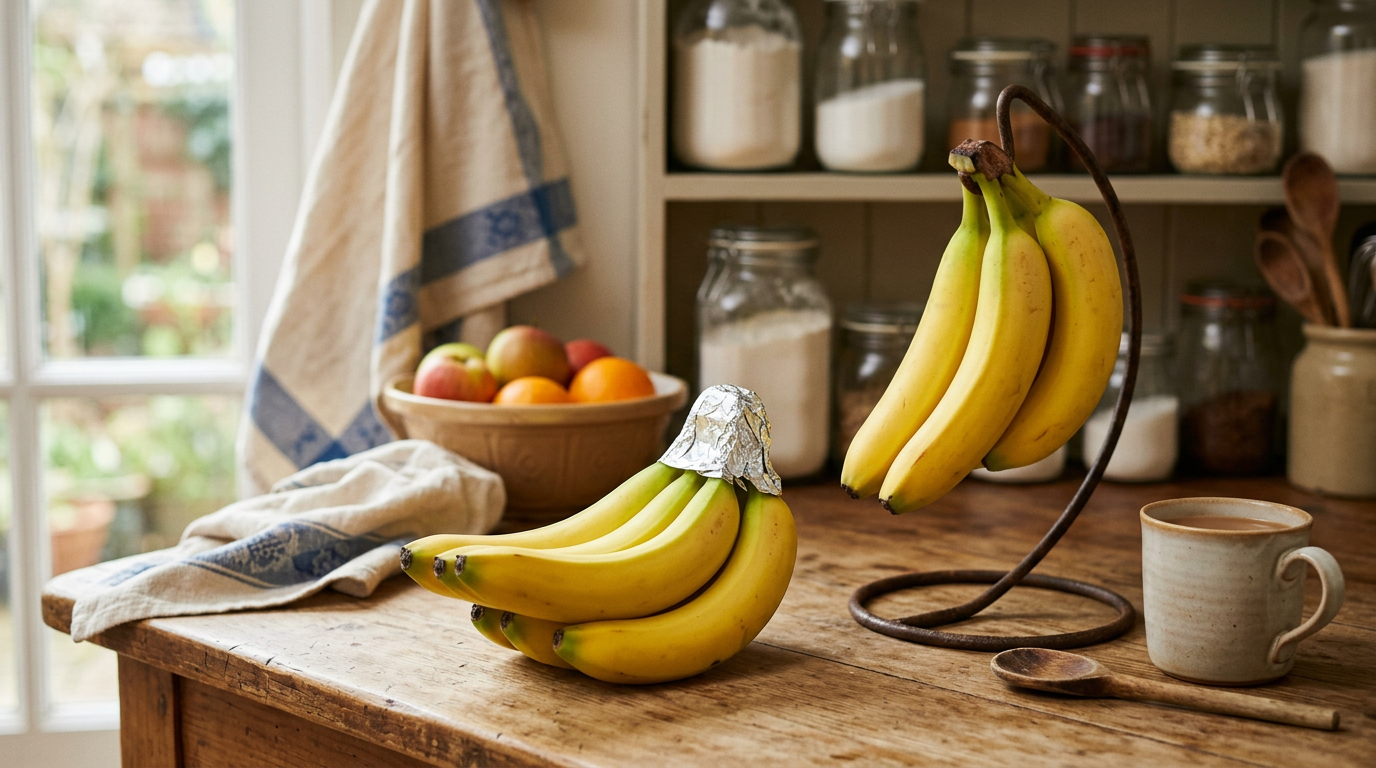
There's a particular frustration that comes with buying a bunch of bananas only to watch them shift from yellow to spotted brown in what feels like days. You bring them home with good intentions, planning breakfasts and snacks, and suddenly you're either eating overripe fruit or watching them go to waste. This isn't a matter of luck or poor selection at the grocery store—it's biology at work, and understanding it changes everything about how you store and use your bananas.
The truth is, bananas are among the most actively ripening fruits in the produce section. Unlike apples or oranges, which you can store for weeks, bananas are on a timetable. They ripen through the release of ethylene gas, a plant hormone that triggers the conversion of starches into sugars. Once this process begins, it accelerates, especially when bananas sit clustered together. This is why conventional wisdom about storing them gets repeated so often—because the simple act of separating them actually works, and for reasons worth understanding.
Why Bananas Ripen So Quickly in the First Place
When bananas are harvested, they're picked green. The ripening process doesn't really start until they're exposed to warmer temperatures and certain storage conditions. The moment they arrive at your home, they're in an environment—typically your kitchen counter—that's warm enough to trigger ripening. If your kitchen tends to stay around 70–75°F, you're essentially creating ideal ripening conditions.
The ethylene gas they produce acts like a ripeness signal to nearby bananas. When bananas stay connected as a bunch, they're essentially amplifying this signal to each other. Each banana contributes to the shared atmosphere, accelerating everyone's ripening. This is why a bunch browns much faster than individual bananas stored separately. It's not your imagination; it's a genuine chemical process.
Temperature also plays a more significant role than many people realize. Bananas stored at 55–60°F ripen noticeably slower than those at 70°F. The difference isn't marginal—it can mean 3–5 extra days of usable ripeness. This is why produce departments keep bananas in specific conditions, and why a cold room in your home makes a real difference.
The Separation Method—Why It Actually Matters
The most effective thing you can do is separate the bananas as soon as you bring them home. Rather than leaving them as a bunch, gently remove each banana or peel them off in groups of two or three. This simple act reduces the concentration of ethylene gas around each fruit. Each banana is now ripening in relative isolation, rather than contributing to a collective ripening atmosphere.
Where you place these separated bananas matters too. If you're planning to eat them within a few days, a room-temperature counter is fine. But if you want to extend their life, the refrigerator is your best tool—but with an important caveat. The skin will turn dark in the cold, which looks concerning but is actually just the peel's reaction to cold. The fruit inside remains perfectly fine and actually ripens more slowly. What looks like over-ripeness is superficial.
Some people find this unappealing, which is understandable. If you prefer the appearance of yellow bananas, keep them at a cool room temperature (around 60–65°F) rather than in the refrigerator. This might mean storing them in a cooler part of your home—a pantry, basement, or even a kitchen cabinet that doesn't get sun exposure. The slight temperature drop still makes a meaningful difference in ripening speed.
The Wrap Method—A Practical Addition
Once you've separated your bananas, wrapping the crown—where all the stems meet—with plastic wrap or aluminum foil provides an additional barrier against ethylene gas escaping into the surrounding air. This isn't essential, but it's genuinely useful if you're trying to squeeze out extra days of ripeness.
The wrapping works because the stems are where a lot of the ethylene gas is concentrated and released. By containing it, you slow the ripening signal. This method is particularly useful if you have room in your refrigerator. A wrapped, separated banana in the cold will stay green-looking and firm for 7–10 days, which is substantially longer than an unwrapped bunch left on the counter.
If you try this, you'll notice a small amount of condensation inside the plastic wrap after a day or two. This is normal and not a sign of spoilage. Simply leave the wrap in place; it's actually helping preserve the fruit. The slight moisture is far less damaging than the rapid ripening caused by ethylene gas.
What About Overripe Bananas—The Real Opportunity
Here's where perspective matters: brown bananas aren't a failure; they're an invitation to use them differently. When bananas develop significant brown spots and soften, their starch has fully converted to sugar, making them sweeter and naturally perfect for baking. This is when their moisture content and sweetness are actually at their peak for breads, muffins, and smoothies.
Rather than viewing this as waste, many people freeze overripe bananas specifically for this purpose. Peel them, slice them into a container, and freeze them. Later, you'll have a stash ready for baking or for blending into frozen smoothies. This transforms what might feel like a loss into prepared ingredients you'll actually use. It's a more honest approach to banana storage than trying to keep every single fruit in a perpetual state of perfect ripeness.
Some households keep a dedicated container in their freezer for this. Whenever bananas reach that spotted stage, they get peeled and frozen rather than composted or thrown away. Over the course of a month, you accumulate enough for two or three baking projects. This single habit prevents both the frustration of overripe fruit and the wasteful feeling of throwing food away.
Buying Strategy—Planning for How You Actually Eat
The most effective solution starts before you even bring bananas home: buy them at different stages of ripeness. If you're standing in the produce section, select a few bananas that are bright yellow, a few with slight green tones, and possibly one or two that are already showing the first signs of browning. This naturally staggers your banana consumption.
This approach requires honest reflection about your actual eating patterns. If you know you eat bananas for breakfast and snacks, buying six bananas for one person per week might be your target. If you're buying for a family that goes through them quickly, your calculation is different. There's no universal right answer, but matching purchase quantity to real household consumption patterns eliminates the feeling of racing against ripeness.
Some people find they do better with smaller bunches purchased more frequently. Rather than buying a large bunch once a week, they buy three or four bananas twice a week. This removes the pressure to eat them quickly and lets you enjoy them at the ripeness stage you prefer.
Storage Location—Thinking Beyond the Counter
The kitchen counter is convenient, but it's often also the warmest spot in your home and the location where ethylene from other ripening produce is concentrated. If you have any alternative location that's consistently cooler, your bananas will noticeably last longer there.
A pantry tends to be several degrees cooler than a counter. A basement or cool closet can be even better. If you live somewhere with a porch or entryway that stays cool but isn't freezing, that works too. The key is finding a spot that's away from direct sunlight (which generates heat) and away from other ripening fruits like apples, which are also ethylene producers.
Humidity also plays a subtle role. Bananas stored in very dry air tend to develop brown spots slightly faster, particularly on the skin. This is purely cosmetic—the fruit is fine—but if you prefer the appearance of unblemished bananas, storing them in a spot with moderate humidity helps. This is another reason why a cooler pantry or closed cabinet often works better than an open counter.
When to Accept Overripeness—And What It Means
Eventually, every banana reaches a point where it's soft throughout, the skin is mostly brown, and the fruit has developed a strong, sweet smell. This isn't spoilage yet, but it is the final window. At this stage, the banana is either going into smoothies, baked goods, or frozen storage. Waiting much longer than this risks actual deterioration—you might notice soft spots that are genuinely deteriorating rather than just soft-ripe.
True spoilage in bananas is relatively obvious: liquid weeping from the skin, an alcoholic or fermented smell, or visible mold. These are signs the fruit has genuinely gone bad and should be discarded. But a soft, brown banana is still perfectly good food. The stigma around brown bananas is largely aesthetic, not practical.
The Real Lesson—Rhythm Over Perfection
The deeper insight here is that bananas have a rhythm you can work with rather than fight against. They're meant to ripen relatively quickly; that's their nature. The goal isn't to halt this process entirely, but to understand it well enough to align it with how you actually eat and cook.
Separating them, choosing a cool storage location, and having a plan for overripe fruit transforms this from a frustrating race against time into a manageable household rhythm. You're not trying to maintain perfect yellow bananas indefinitely. You're orchestrating a natural process so that fruit is ready when you need it and doesn't go to waste when you don't.
This is the kind of practical knowledge that makes daily life smoother. It's not complicated, but it requires paying attention to what you're actually doing and why it matters. Once you implement these habits, the problem largely solves itself—not through willpower or special equipment, but through understanding how bananas actually work and respecting that process instead of fighting it.
Related articles

How Slow Cooking Improves Focus
Understand why pace matters in food preparation.
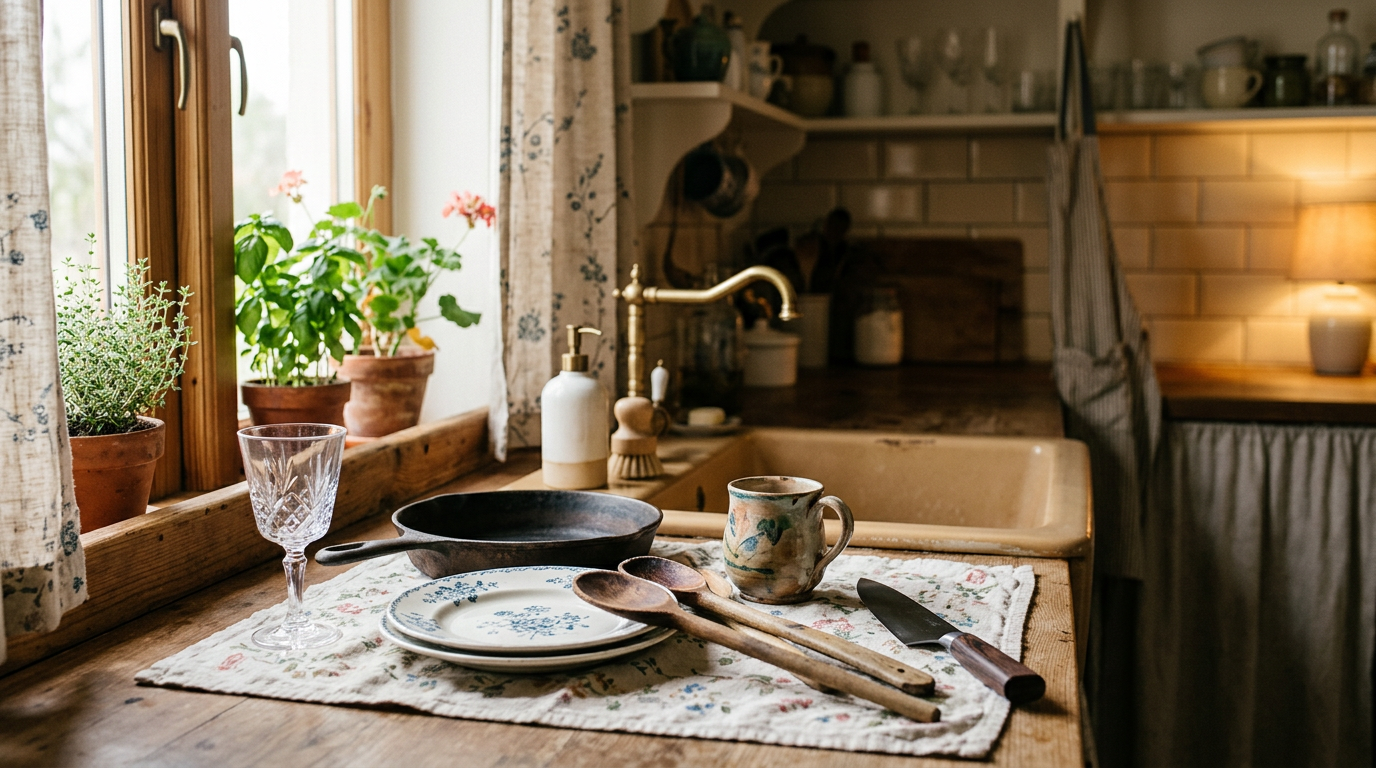
9 Things You Should Never Put in the Dishwasher—And Why Hand Washing Matters
Some kitchen items deserve the gentle care of hand washing. Learn which treasured pieces to protect and why this simple practice preserves what matters most.
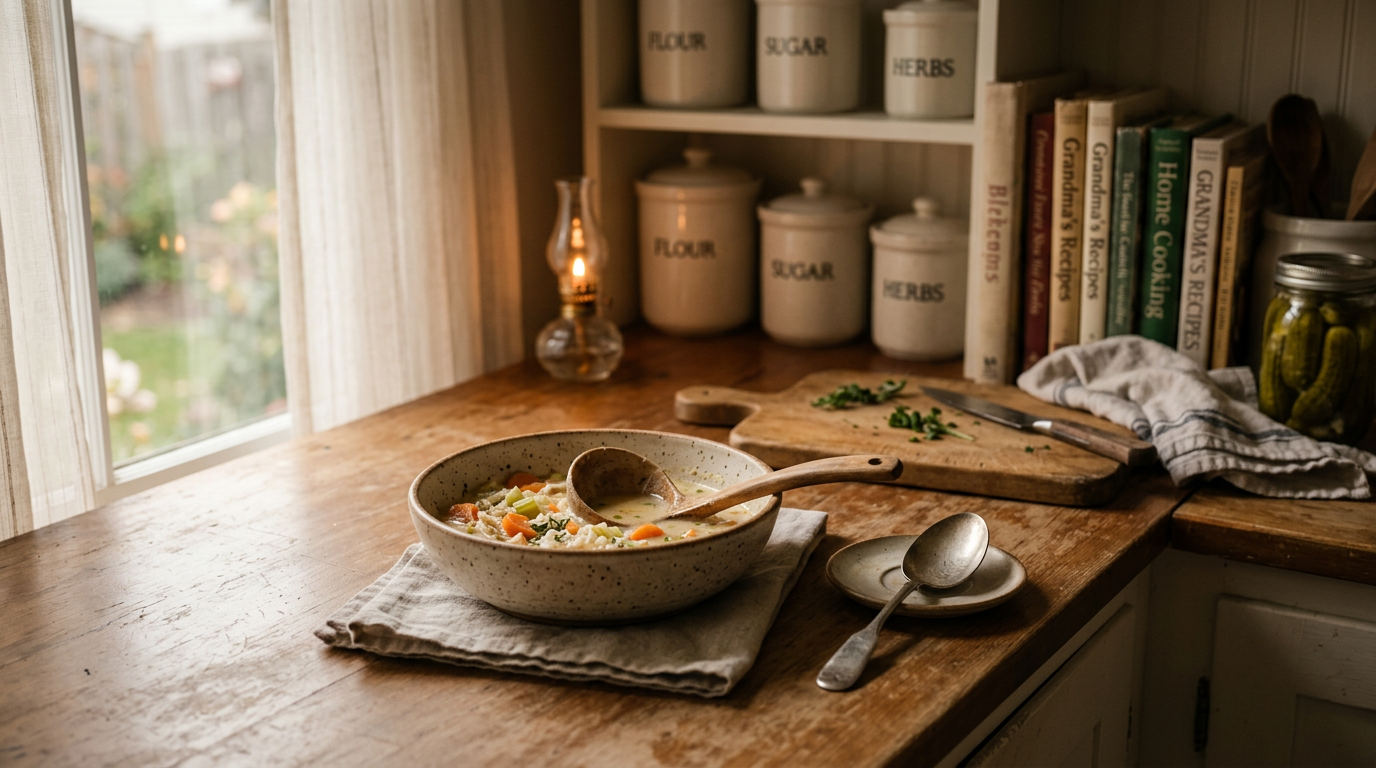
The One Food You Should Never Reheat—and Why It Matters More Than You Think
Some kitchen rules exist for good reason. Learn which common food poses real danger when reheated and why this matters for your family's health.