
If Your Plant Leaves Are Turning Yellow, Do This First
Yellow leaves don't always mean your plant is dying. Here's how to read what your plant is actually telling you and fix it the right way.
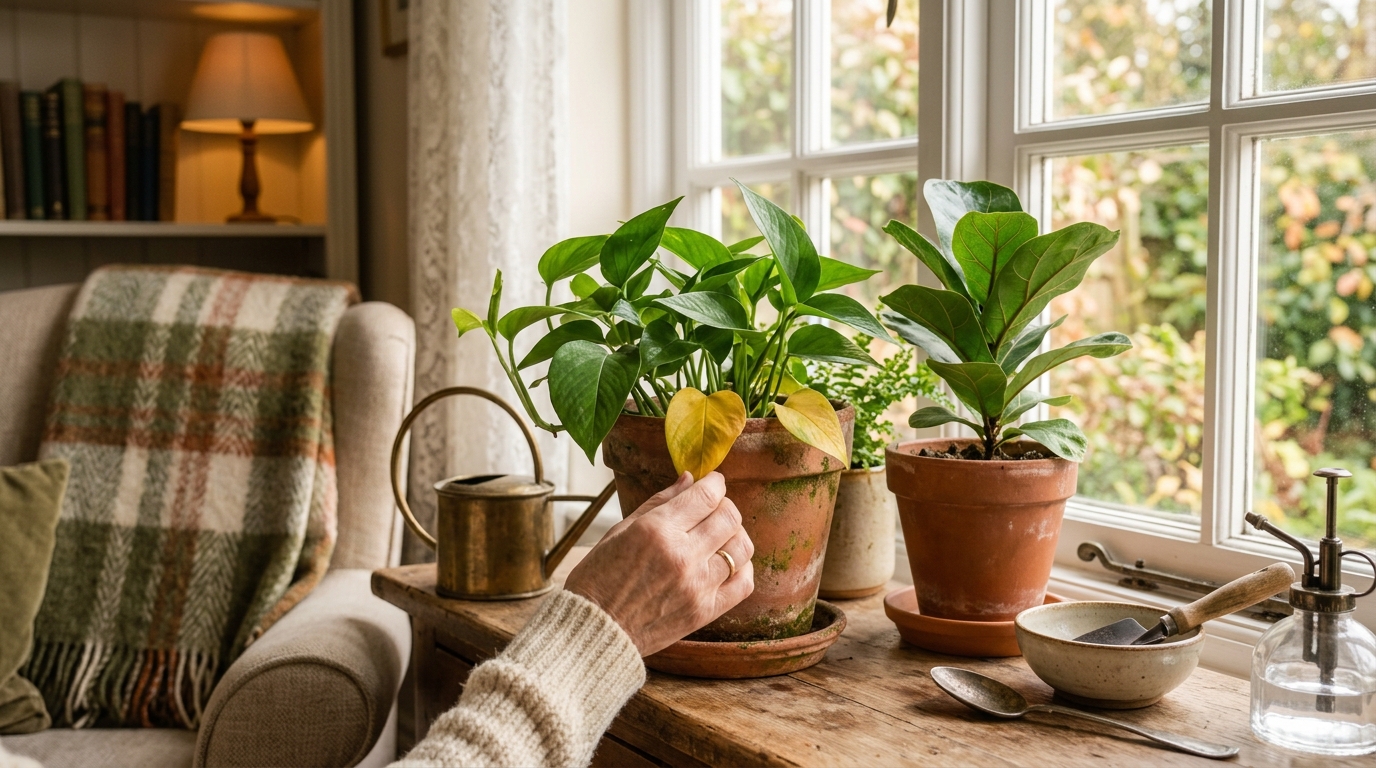
There's a particular helplessness that comes with watching a plant's leaves turn yellow. It feels like a small failure, especially if you've been tending that plant with genuine care. But yellow leaves aren't a death sentence—they're a message. The trick is learning to read the language your plant is speaking, because the cure depends entirely on what's actually wrong.
Before you do anything else, pause. Don't repot it. Don't change its location. Don't feed it fertilizer hoping that will help. Instead, sit with the plant for a moment and observe. This observation period is where most of us stumble. We see yellow and panic, reaching for solutions without understanding the problem. But plants are patient teachers if we're willing to listen carefully.
Understanding What Yellow Really Means
Yellow leaves can signal several different problems, and they require completely different responses. The pattern of yellowing, where it starts, and how quickly it spreads all matter tremendously. This is where slowing down saves your plant's life.
The most common cause of yellowing is overwatering. This is important to understand deeply because it's counterintuitive: when we love a plant, we want to care for it, and watering feels like caring. But too much water suffocates the roots. Roots need oxygen. When soil stays constantly wet, roots can't breathe, and they begin to rot. Once roots rot, the plant can't absorb water or nutrients no matter how much water surrounds it. The plant essentially drowns while being given water.
This type of yellowing usually starts with the lowest leaves first—the older growth—and moves upward. The leaves often feel soft or limp rather than crispy. The soil will smell sour or musty if you press your nose near it. This smell is the first real confirmation that root rot is happening. If you've reached this point, your plant needs intervention, but it's not too late if you act soon.
Underwatering, by contrast, causes yellowing that starts at the tips and edges, creating a kind of browning-yellow combination. The leaves feel papery and dry even before they turn color. The soil pulls away from the edges of the pot and becomes hard and compact. But underwatering is usually easier to fix than overwatering because you simply haven't damaged the roots yet.
Nutrient deficiency creates a different pattern altogether. The yellowing often starts between the veins of the leaves, leaving the veins themselves green. This is called chlorosis. It typically begins on older leaves and is often a sign that the plant has been in the same soil for too long without feeding, or that the soil pH has shifted and locked up nutrients so the roots can't access them.
Light issues create yet another pattern. Plants that don't receive enough light start to look pale overall, and older leaves yellow as the plant conserves energy and pulls nutrients from them to survive. This yellowing is usually accompanied by sparse, weak growth and leaves that feel thin.
The First Diagnostic Step: Check the Soil
Before anything else, assess the soil. This is genuinely the most important information you can gather. Stick your finger two inches into the soil. How does it feel? Is it soggy and dense? Is it bone dry and hard? Does it feel appropriately moist but not wet?
The difference between moist and wet is crucial, and many plant owners never really learn this distinction. Moist soil should feel like a wrung-out sponge—it holds together when you squeeze it, but no water drips out. Wet soil feels cold and heavy. It sticks to your finger and feels actively saturated.
Smell the soil too. This isn't squeamish—it's diagnostic. Healthy soil smells earthy and neutral, like the forest floor. Rotting soil smells like vinegar or decay. That smell tells you everything about root health.
If the soil is soggy and smells off, you have overwatering damage. If the soil is hard and dry, you need to rehydrate. If the soil feels right but the plant is still yellowing, you're likely looking at nutrient deficiency or a light issue.
Treating Overwatering and Root Rot
This is the most common problem and the one that requires the most decisive action. If you've caught it early—meaning only the lower leaves are yellow and the plant still has growth vigor—you can often save it simply by stopping watering. Seriously. Put the watering can away for several weeks. Let the soil dry out substantially. This allows the plant to recover and roots to have access to oxygen again.
Check your drainage hole. Many beautiful pots don't have proper drainage, or the drainage hole is blocked by roots that have wrapped around looking for water. If there's no drainage hole or it's blocked, water has nowhere to go but sits in the pot, keeping roots wet constantly. This is a situation where you must repot into a pot with an adequate drainage hole, even if it means using something less beautiful for a while. The plant's life is more important than the aesthetics.
When you do repot a plant with root rot, use fresh, dry soil. If the roots smell musty, you can gently rinse them with room-temperature water while repotting, but don't be aggressive. You're simply removing the old, waterlogged soil. Snip off any roots that are mushy and black—they're already dead and can't be saved. Healthy roots are firm and light colored, even if they're pale or slightly discolored.
After repotting into fresh soil, don't water for several days. This seems wrong, but it's right. The fresh soil has some moisture in it already, and the plant needs time to adjust. Resume watering only when the top inch of soil is completely dry to the touch. This might feel like neglect, but it's actually rescue.
Addressing Underwatering
If your soil is hard and dry, the solution is simpler but requires care. You can't just pour water on the plant and expect it to absorb properly. Hard, dry soil has often pulled away from the sides of the pot, and water will just run down the gap and out the bottom without actually hydrating the root ball.
Instead, water slowly and deeply until water comes out the drainage hole, then let it absorb. Wait five minutes and water again. This cycle helps the soil gradually rehydrate rather than just running through. Some people bottom water severely underwatered plants—placing the entire pot in a basin of water and letting the soil wick moisture up from below. This works beautifully for plants in small pots.
Once the plant is rehydrated, adjust your watering schedule. The key is checking soil regularly rather than watering on a fixed schedule. Every plant's needs change with the seasons, the humidity in your home, the size of the pot, and the type of soil used. A plant near a sunny window in summer needs water far more often than the same plant in winter or in a corner away from light.
Nutrient Deficiency and Soil Exhaustion
If the soil feels right and the yellowing shows that characteristic green-vein pattern, your plant is hungry. This happens most often with plants that have been in the same soil for a year or longer without any feeding or repotting. Potting soil doesn't contain nutrients forever—plants consume them.
The solution has two parts. First, refresh the soil. You don't necessarily need to repot the entire plant into a larger pot. Instead, gently remove the top few inches of old soil and replace it with fresh potting soil. This removes depleted soil and introduces new nutrition without disturbing the entire root system. Do this in spring if possible, when the plant is actively growing.
Second, establish a feeding schedule during the growing season. This means spring through summer, roughly March through September in most climates. Feed once every two to four weeks with a balanced houseplant fertilizer. Reduce feeding in fall and stop entirely in winter. This mimics how plants grow in nature—thriving during warm months and resting in winter.
Don't overfeed thinking more food helps faster. Too much fertilizer actually causes salt buildup in the soil, which can damage roots and make the yellowing worse. Follow the instructions on your fertilizer package faithfully. If you're unsure, it's better to feed half-strength more often than full-strength less often.
Light and Long-Term Plant Health
If you've ruled out watering and nutrient issues, consider light. Plants that are too far from windows or in consistently dim corners will eventually yellow and weaken. You can't fertilize a plant out of a light problem. The solution is either moving the plant closer to a light source or acknowledging that some plants simply aren't suited to that location and choosing a more shade-tolerant variety instead.
Most common houseplants want bright, indirect light. This means light that's strong but filtered through a sheer curtain or arriving at a window that doesn't get direct afternoon sun. Very few houseplants want to sit in direct sun all day, but most want more light than people realize. If your plant is several feet away from a window, it's probably too dim.
After You've Fixed the Problem
Once you've addressed the root cause, be patient with recovery. Don't expect the yellow leaves to suddenly turn green. They won't. Leaves that have yellowed will eventually fall off, and that's normal and healthy. The plant is shedding damaged foliage and putting energy into new growth. This is actually a good sign that your intervention worked.
New growth is where you'll see improvement. Watch for new leaves emerging at the growing tips. If those new leaves are a healthy green color, you've fixed the problem. The plant is recovering.
Yellow leaves are a gift in their way. They're the plant's way of communicating that something needs to change. By learning to read these signals and respond thoughtfully rather than reactively, you develop a real relationship with your plants. You become someone who understands them, not just someone who owns them. And in that understanding, both you and your plant thrive.
Related articles

Most People Overwater Their Plants – Here's How to Know When to Water
Overwatering kills more houseplants than any other mistake. Learn the tactile, observational methods that actually work—no gadgets required.

Stop Throwing Away Coffee Grounds – Your Garden Loves Them
Coffee grounds are far more than kitchen waste. Learn how to transform this everyday byproduct into rich soil amendment that feeds your garden through the seasons.

The Best Natural Fertilizer Is Already in Your Kitchen
Learn how to transform everyday kitchen scraps into rich, living soil for your garden using time-tested methods that cost nothing and nourish everything you grow.