
Most People Overwater Their Plants – Here's How to Know When to Water
Overwatering kills more houseplants than any other mistake. Learn the tactile, observational methods that actually work—no gadgets required.
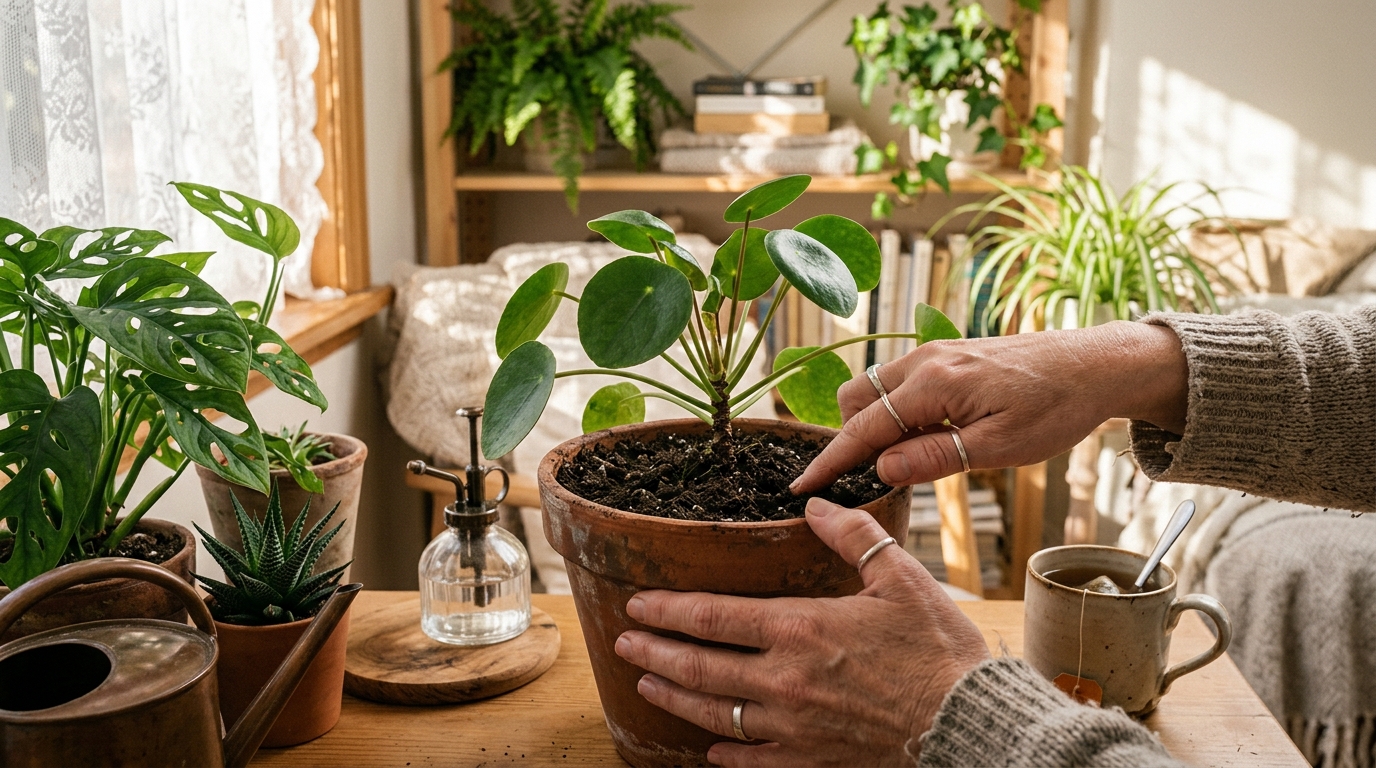
There's a particular sadness in watching a plant decline when you've been caring for it faithfully. You water it regularly, place it in decent light, and yet the leaves yellow, the stems soften, and within weeks it's gone. The irony is that most of the time, the problem wasn't neglect—it was the opposite. Most people water their plants too much, too often, and with the best intentions.
The reason this happens is understandable. We're taught that plants need water to live, and if a little water is good, surely more care must be better. We develop watering schedules—Mondays and Thursdays, or every Sunday without fail—and stick to them like clockwork. But plants don't operate on human schedules. They respond to light, temperature, season, humidity, and the condition of the soil itself. A watering routine that works perfectly in spring might be drowning your plant by July.
Learning when to water is less about following rules and more about developing a quiet attentiveness to your plants' actual needs. It's the kind of knowledge that comes from paying attention, from getting your hands dirty, from understanding that every plant in your home is slightly different.
Why Overwatering Is So Common
Before we talk about solutions, it helps to understand why this happens. Overwatering is the default mistake because it comes from a place of care. When we love something, we tend to think more is better. We water, and because we can't see any immediate harm, we water again a few days later. The plant looks fine, so we assume we're doing it right.
The problem is invisible until it's too late. Excess water saturates the soil and prevents oxygen from reaching the roots. This creates conditions where root rot develops—a fungal or bacterial issue that destroys the plant's ability to absorb water and nutrients, even if the soil is wet. By the time the damage becomes visible (yellowing leaves, soft stems, a musty smell from the soil), the plant is often beyond recovery.
This is why understanding the condition of the soil itself becomes crucial. The soil isn't just a medium to hold the plant upright—it's a living system where roots breathe, absorb water, and access nutrients. When it stays too wet, that system fails.
The Most Reliable Method: The Finger Test
Before reaching for the watering can, touch the soil. Not the surface—push your finger down about an inch, or deeper if you're working with a larger pot. What you're feeling for is moisture. If the soil at that depth feels wet or cool and clumpy, the plant doesn't need water yet. If it feels dry and crumbly, it's time to water.
This simple test works because most houseplants prefer the top inch or so of their soil to dry out somewhat between waterings. This allows roots to access oxygen and prevents the waterlogged conditions that invite rot. The exact timing varies wildly depending on your home—a plant in a bright window in summer will dry out much faster than one in a dim corner in winter.
What makes this method reliable is that you're checking the actual condition of the soil, not guessing based on a calendar. A plant in a terra cotta pot (which breathes and dries faster) will need water more often than the same plant in a glazed ceramic pot. A plant in a hot, dry home will dry out faster than one in a cool, humid space. Only by touching the soil can you account for these individual circumstances.
Develop the habit of checking before you water. It takes five seconds and completely changes your success rate. Many people find it helpful to make this a small ritual—perhaps a moment of connection with their plants, a pause in the day where they move through their home and simply check in.
Understanding Soil Type and Drainage
The type of soil you use matters enormously, though it's often overlooked. Plants that come from the nursery are frequently planted in dense, moisture-retentive soil designed for commercial efficiency, not for long-term health in a home environment. This soil can stay wet for far longer than is ideal.
Well-draining soil is essential for most houseplants. This means soil that holds some moisture but allows excess water to drain away quickly, leaving air pockets for the roots. You can improve drainage by amending standard potting soil with perlite, coarse sand, or orchid bark—materials that create space for water to move through the medium.
The ratio depends on the plant. Succulents and cacti need very fast drainage, so a mix might be 50% potting soil and 50% perlite or sand. Most tropical plants prefer something in between—perhaps 70% potting soil and 30% drainage material. Ferns and other plants that prefer consistently moist (but not wet) soil need less amendment.
When you repot a plant, this is an opportunity to refresh its soil entirely. Old, compacted soil loses its structure and drains poorly. A fresh potting mix with appropriate amendments can dramatically improve a plant's long-term health. This is especially true for plants that have been in the same soil for years.
Reading the Visual Signs
In addition to the finger test, there are subtle visual clues that tell you when a plant needs water. These take time to recognize, but once you know them, they become automatic.
A plant that needs water will often look slightly lighter and less vibrant than usual. The leaves might seem a touch limp or slightly dull. Some plants, like fiddle leaf figs or rubber plants, will actually droop noticeably when they're thirsty—a clear signal. Others show it more subtly, in a slight loss of turgidity. This is different from the soft, drooping appearance of an overwatered plant, which looks waterlogged and is often accompanied by yellowing or a musty soil smell.
Pay attention to how your pots feel when you lift them. A freshly watered pot is noticeably heavy. A pot that's ready for water again will feel lighter. Over time, you develop an intuitive sense of this weight without thinking about it. It becomes another form of checking in.
Seasonal changes show themselves in how quickly soil dries out. In winter, when days are shorter and temperatures lower, most plants need less water. Their growth slows, and their water needs drop significantly. In summer, especially for plants in bright windows, watering needs increase. Many people don't adjust for these seasons and accidentally overwater in winter, when their plants are naturally dormant.
The Watering Itself—Technique Matters
When you do water, do it thoroughly. Water until it drains from the bottom of the pot, then let it drain completely. The idea is to fully saturate the soil so that all the air pockets are filled with water, then allow gravity to pull excess water out, leaving air behind.
This is better than light, frequent watering. Light watering only moistens the top of the soil while leaving lower layers dry. Over time, this can cause salt and mineral buildup that accumulates from tap water. Thorough watering flushes these out through the drainage holes.
Always use room-temperature water. Cold water can shock roots, and some plants are sensitive to this. If your tap water is heavily chlorinated, letting it sit for a few hours before using allows chlorine to dissipate. Many people keep a watering can filled beside the plants for this reason—it serves double duty of being ready and allowing the water to reach room temperature.
Water at the base of the plant, at the soil level, rather than misting the leaves or pouring from above. This ensures water reaches the roots where it's needed. Wet leaves can invite fungal issues, especially if the plant doesn't dry quickly afterward. The exception is certain plants like orchids that naturally receive water by way of rainfall running down stems, but for most houseplants, soil-level watering is the right approach.
Special Circumstances and Adjustments
Some situations require adjusting your watering approach. If you go away for a week or two, you might want to water thoroughly before leaving and position plants away from direct sun to slow evaporation. This is preferable to setting up an automatic watering system, which can't account for the individual needs of different plants and often leads to overwatering.
If you live in a very dry climate or in a home with low humidity, plants may need water more frequently because it evaporates faster. Grouping plants together creates a microclimate of slightly higher humidity, which reduces their individual water needs somewhat. This is why plant enthusiasts often create plant-filled corners or shelves—it's not just for aesthetics.
During dormant periods—usually winter for most houseplants—significantly reduce watering. Some plants, like poinsettias or amaryllis, go through intentional dormancy where they need very little water for weeks at a time. Respecting these natural cycles, rather than watering them as you would in growing season, actually supports the plant's long-term health.
If you've made the mistake of overwatering and suspect root rot, don't despair immediately. Remove the plant from its pot, gently rinse away the wet soil, and examine the roots. Healthy roots are white or tan and firm. Rotted roots are black, mushy, and smell unpleasant. If rot is mild and caught early, you can cut away the damaged sections with clean scissors and repot in fresh, dry soil. Then resist watering for at least a week or two, even if the soil feels dry. The roots are damaged and can't absorb much water anyway. Patience here is actually the kindest thing you can do.
Building Intuition Over Time
The reason these traditional methods have endured is that they work with the reality of your specific home, rather than against it. Every home has different light levels, temperatures, humidity, and air circulation. The plant on your south-facing windowsill lives in a completely different microclimate than the one in your bedroom corner, even if they're the same species.
Over weeks and months, you begin to know your plants. You notice that the pothos dries out faster than you expect in summer but barely needs water all winter. You learn that the prayer plant prefers consistent moisture, while the snake plant wants to dry out between waterings. You develop a rhythm, not a schedule.
This knowledge is transferred and reinforced through simple, repeated action. The act of checking the soil becomes a form of attention, a quiet practice that deepens your connection to the plants in your care. It's not complicated or demanding—it just requires presence and a willingness to learn from observation.
The plants you keep alive aren't alive because you watered them on a schedule. They're alive because you paid attention to what they actually needed and adjusted accordingly. That small shift in thinking—from following rules to reading the plant itself—is where successful plant care begins.
Related articles

Stop Throwing Away Coffee Grounds – Your Garden Loves Them
Coffee grounds are far more than kitchen waste. Learn how to transform this everyday byproduct into rich soil amendment that feeds your garden through the seasons.
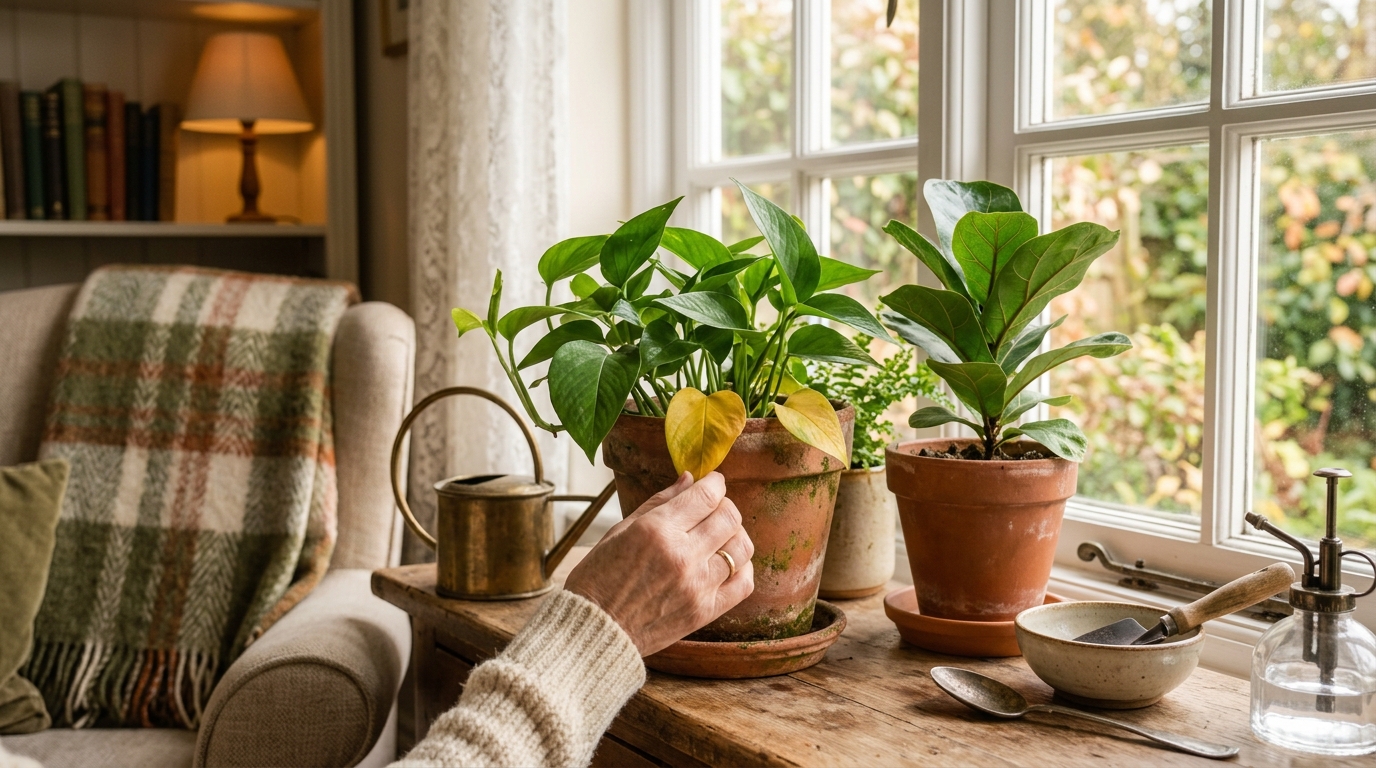
If Your Plant Leaves Are Turning Yellow, Do This First
Yellow leaves don't always mean your plant is dying. Here's how to read what your plant is actually telling you and fix it the right way.

The Best Natural Fertilizer Is Already in Your Kitchen
Learn how to transform everyday kitchen scraps into rich, living soil for your garden using time-tested methods that cost nothing and nourish everything you grow.