
Grandma Knows: How to Remove Coffee Stains from Fabric
Coffee stains on fabric are common but very treatable. Learn which household methods work best on fresh and dried coffee — without ruining your clothes.
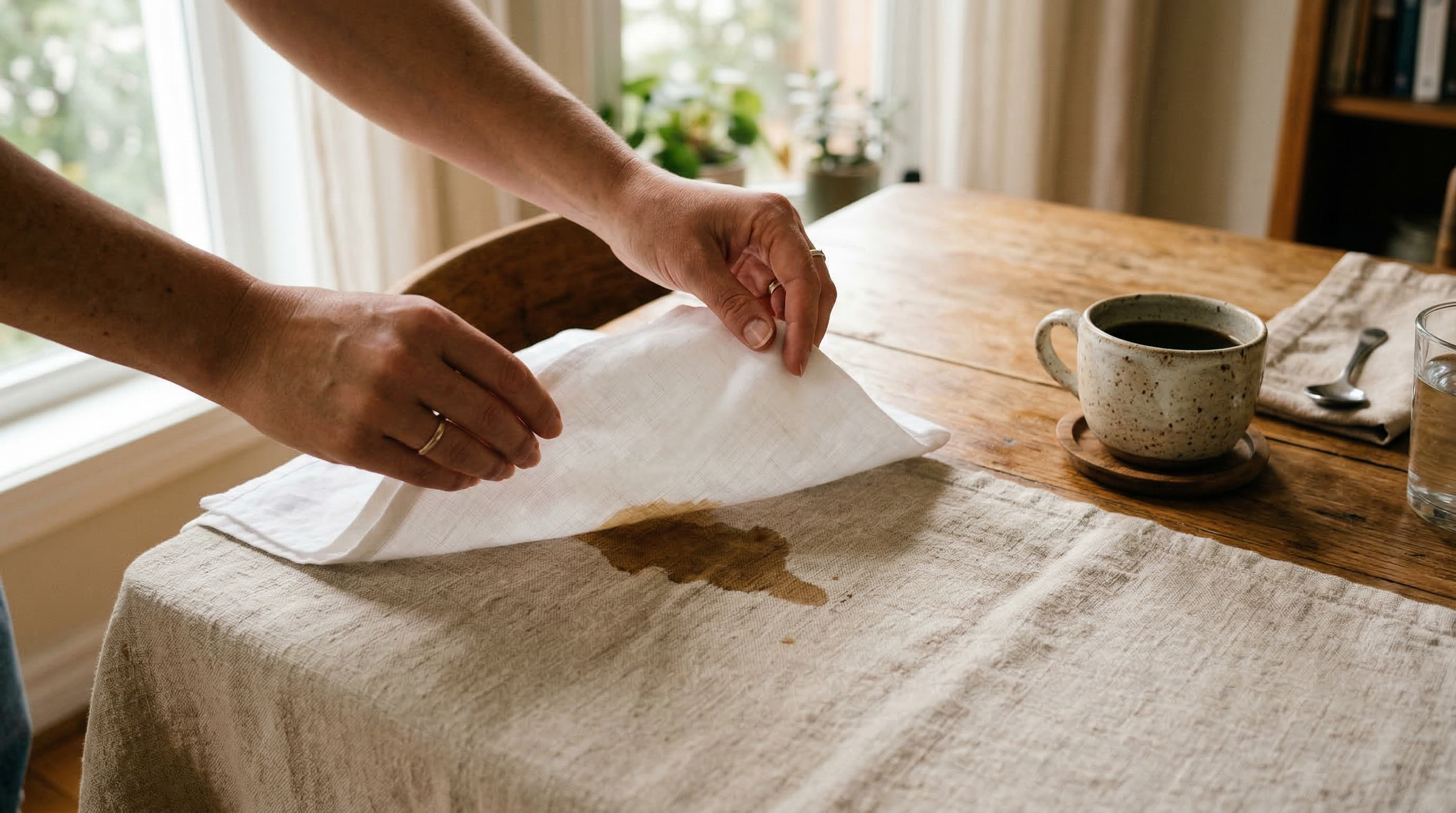
Coffee is one of the most common household stains, and for good reason — it's present in nearly every home, consumed at all hours, and tends to spill at inconvenient moments. A dropped mug, a tilted thermos, an accidental elbow — and suddenly you have a brown stain spreading across fabric that you use every day.
The good news is that coffee stains, while persistent if left untreated, respond well to a range of simple home methods. Understanding what makes coffee stain fabric in the first place helps you choose the right approach and apply it correctly.
What Makes Coffee Stain Fabric
Coffee contains several compounds that contribute to staining. Tannins — naturally occurring plant compounds also found in tea, red wine, and certain fruits — are the primary culprits. Tannins bond readily to fabric fibers, particularly natural fibers like cotton and linen. Coffee also contains oils, especially in espresso and French press preparations, which can leave a faint residue even after the color is gone.
Black coffee stains more readily than coffee with milk, but coffee with milk can produce a different kind of stain. The proteins in milk can set into fabric when exposed to heat, creating a bonded residue that requires different treatment.
Immediate Action: Cold Water and Blotting
The first minutes after a coffee spill are the most important. Coffee is water-soluble when fresh, which means cold water alone can remove much of it if applied quickly enough.
Blot the stain immediately with a clean cloth or paper towel. Press firmly and lift straight up — rubbing spreads the stain and forces it deeper into the fabric. Work from the outer edge toward the center to contain the spill.
Hold the fabric under cold running water from the back of the stain. Letting water push the coffee back out through the same path it entered is more effective than applying water to the front. For a garment, this means holding the inside of the stained area under the tap.
Avoid hot water entirely at this stage. Heat causes tannins to bond more firmly to fibers, which is exactly the opposite of what you want.
Dish Soap Treatment
After the initial cold water rinse, a small amount of dish soap applied directly to the stain and worked in gently with your fingers will break down the remaining tannins and any coffee oils. Dish soap contains surfactants — compounds that reduce surface tension and lift oily residues from fabric.
Let the soap sit on the stain for five minutes before rinsing. Check the stain before proceeding. Often this is enough for fresh stains on cotton and other common fabrics.
White Vinegar for Tannin Stains
White vinegar is effective on tannin-based stains because its mild acidity disrupts the bond between tannin molecules and fabric fibers. This is one of the reasons vinegar is a useful general cleaning agent in the home — many organic stains are tannin-based or similarly acidic in origin.
Pour a small amount of white vinegar directly onto the stain and let it sit for five to ten minutes. Then rinse with cold water and assess. For stubborn stains, apply vinegar and then work a small amount of dish soap into the stain before rinsing.
Vinegar is safe on most washable fabrics but can affect certain dyes. Test on a hidden area of the garment first if the fabric is colored or delicate.
Baking Soda Paste for Dried Stains
A dried coffee stain needs rehydration before it will respond to treatment. Soak the stained area in cold water for twenty to thirty minutes to soften the dried compounds.
Then make a paste from baking soda and a small amount of water — enough to create a thick consistency that will stay on the fabric. Apply this paste to the stain and work it gently into the fibers with your fingers or a soft toothbrush. Let it sit for thirty minutes.
Baking soda works through two mechanisms. Its mild alkalinity helps neutralize and loosen tannin compounds. And its fine texture provides gentle physical abrasion that helps lift dried stain residue from the fabric surface. Rinse thoroughly and then treat with dish soap before laundering.
Coffee with Milk: Extra Steps Required
If your coffee contained milk or cream, the stain may behave differently. Milk proteins can set into fabric, particularly when heat is applied. If a coffee-with-milk stain has been through a dryer, the protein component may have bonded permanently.
For fresh coffee-with-milk stains, the same cold water and dish soap approach works. But if the stain seems resistant after treatment, try an enzyme-based pre-treatment. Enzymes break down protein compounds and are specifically effective on milk, egg, and other protein-based stains.
Avoid using hot water at any stage when milk is involved, as heat accelerates protein bonding to fibers.
Treating Upholstery and Carpets
Coffee spills on upholstery and carpet follow the same initial rule: blot immediately, work from the outside in, and don't rub. The difference is that you can't soak or machine-wash these surfaces.
For upholstery, mix one tablespoon of dish soap with two tablespoons of cold water. Apply the foam — not the liquid — to the stain with a clean cloth and work it gently. Follow with a cold, damp cloth to rinse and then blot dry. Avoid saturating the fabric, as moisture can damage the underlying structure.
For carpet, the same soap-and-water approach applies. Work methodically and rinse thoroughly — soap residue left in carpet fibers attracts new soil and can make the area re-stain faster over time.
White and Light-Colored Fabrics
On white cotton or linen, hydrogen peroxide can be applied after the initial treatment to address any remaining discoloration. Hydrogen peroxide is a mild oxidizing agent that breaks down color compounds. Apply it to the stain, let it sit for fifteen minutes, and rinse with cold water before laundering.
Do not use hydrogen peroxide on colored fabrics without testing first, as it can strip color along with the stain.
When to Give Up on Home Treatment
Some coffee stains are beyond home treatment — particularly stains that have set over time, have been heat-dried repeatedly, or are on delicate fabrics like silk or wool. If home methods aren't producing results after two or three attempts, a professional cleaner has access to stronger enzymatic treatments and solvents that can address what household products cannot.
It's also worth noting that some fabrics are marked as dry-clean only for good reasons. Applying water to these fabrics can cause shrinkage, color bleeding, or texture changes that may be more damaging than the original stain.
Building a Simple Stain Kit
Keeping white vinegar, baking soda, and dish soap accessible in the kitchen means you're prepared for coffee spills whenever they happen. These three items, used in combination and applied promptly, handle the vast majority of coffee stains that occur in everyday home life. The most important thing is acting before the stain dries — and avoiding heat until the stain is gone.
Related articles
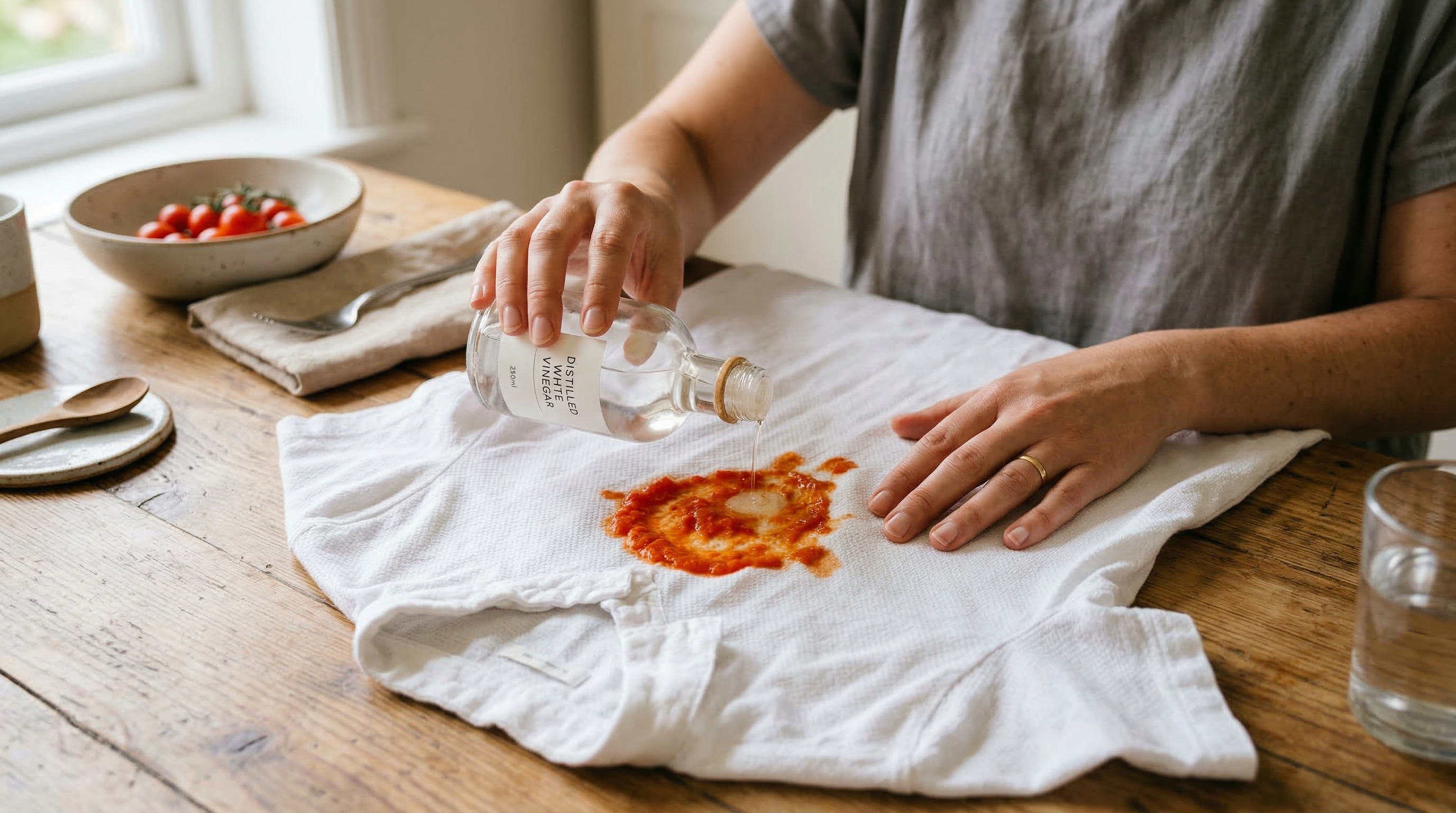
Grandma Knows: How to Remove Tomato Sauce from Clothing
Tomato sauce stains are vivid and quick to set. Learn the right sequence of treatments to remove tomato stains from clothing before they become permanent.
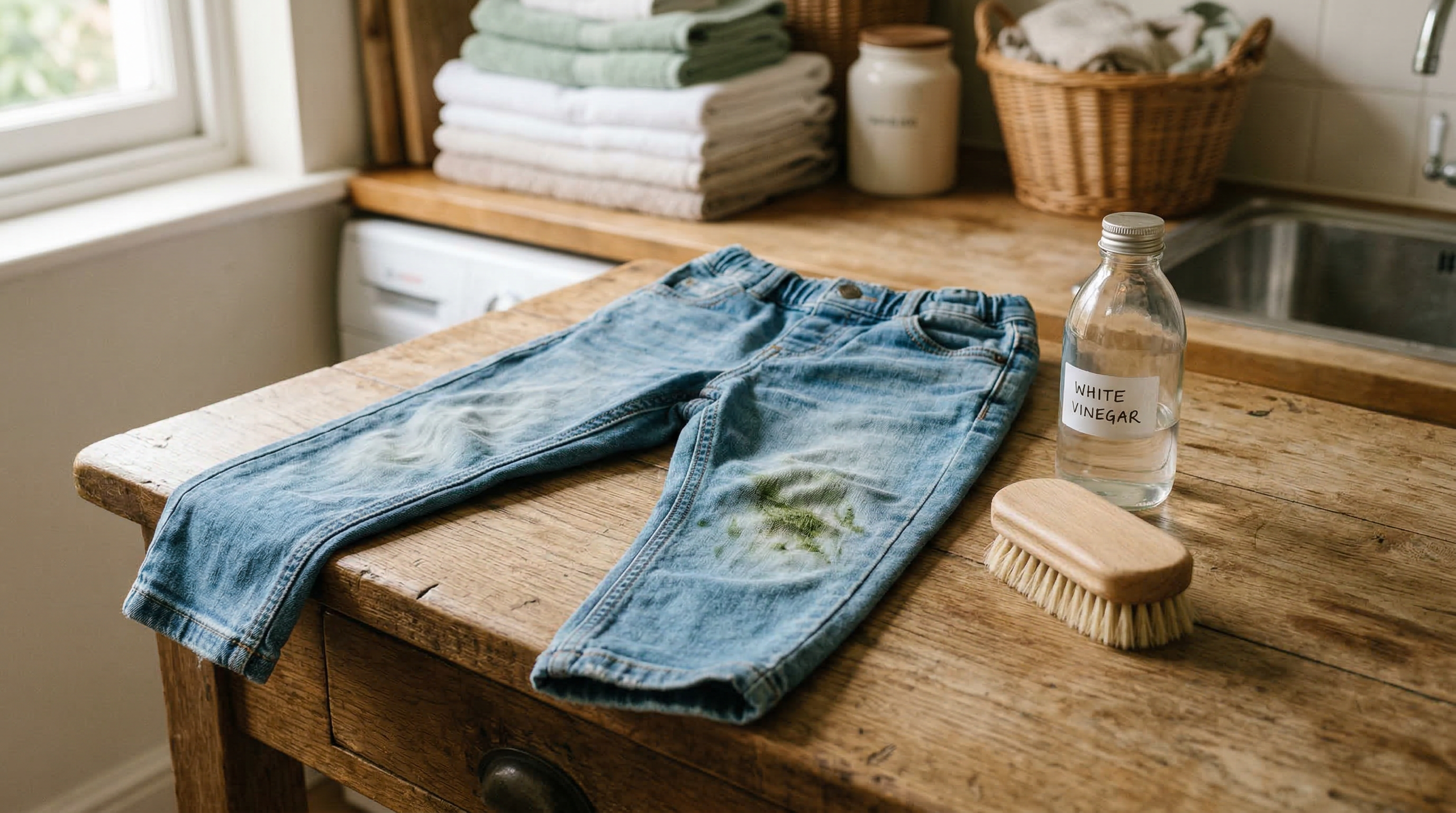
Grandma Knows: How to Remove Grass Stains from Clothes
Grass stains on clothes are stubborn but very treatable. Learn the household methods that break down chlorophyll and get fabric clean again.
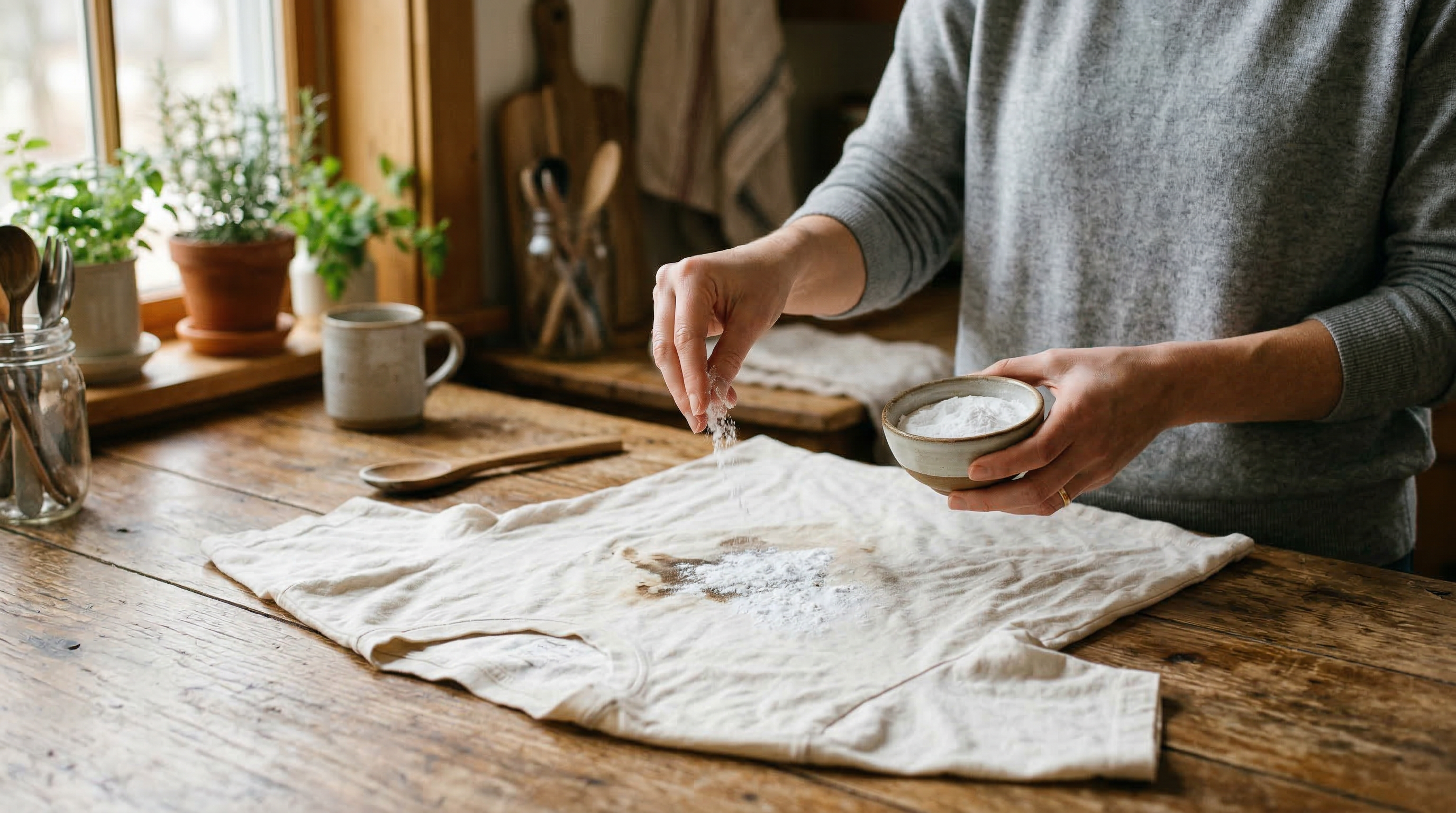
Grandma Knows: How to Remove Grease from Clothes
Grease stains on clothes are tricky but not impossible. Discover proven household methods using baking soda, dish soap, and patience.