
Grandma Knows: How to Remove Ink from Sofa
Ink on your sofa? Learn practical, proven methods to remove ink stains from fabric and leather sofas without causing damage.
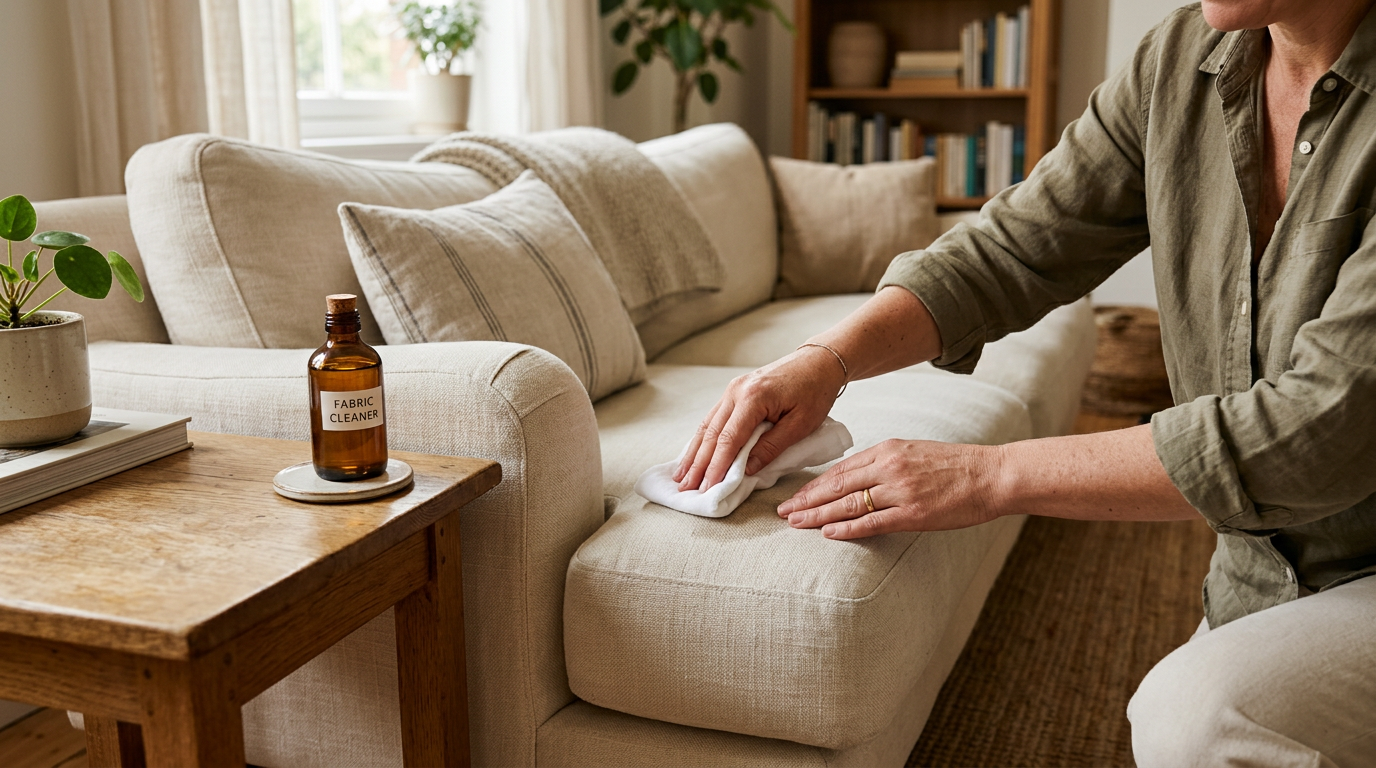
It happens in ordinary moments. A pen rolls out of a pocket and leaves a streak across the cushion. A child presses a marker into the armrest without thinking. Someone falls asleep on the sofa with a ballpoint still in hand. Ink stains on upholstery feel like a crisis at first, but they rarely are — as long as you approach them with a little patience and the right understanding of what you are actually dealing with.
The most important thing to know upfront is this: ink responds poorly to panic. Scrubbing hard and fast, or reaching for the first cleaning product you find, usually makes the stain larger, pushes it deeper into the fibers, or sets it permanently. Treating an ink stain correctly starts with slowing down and thinking through the situation before you touch it.
Why Ink Stains Are Stubborn on Upholstery
Ink is not a single substance. Different types of ink behave in very different ways, and understanding that distinction is the foundation of effective stain removal.
Ballpoint ink is oil-based. It contains dyes suspended in a viscous, oily carrier that allows it to flow smoothly from a pen tip onto paper. When it lands on fabric instead, that oily base binds to the fibers quickly. It does not evaporate the way water-based liquids do. It sits, and it sets.
Gel pen ink and rollerball ink are water-based. They are generally easier to lift than ballpoint, but they spread more readily across fabric because the liquid is thinner and flows into fibers faster.
Permanent markers and felt-tip pens typically use alcohol-based or solvent-based ink. These are designed to be exactly what the name says — permanent. They bond aggressively to surfaces and resist water almost entirely.
Knowing which type of ink you are dealing with tells you which approach is likely to work. If you are unsure, start with the gentler methods and work toward the stronger ones only if needed.
Before You Start: A Few Practical Preparations
Check the care label on your sofa before applying anything to it. Most upholstered sofas have a label tucked under a cushion or on the underside of the frame. It will typically show a letter code: W means water-based cleaning is safe, S means solvent-based only, W/S means either is acceptable, and X means professional cleaning only. If your sofa is coded S or X, skip the home methods and call a professional.
If the stain is fresh, blot it very gently with a clean white cloth to lift any surface ink before it settles further. Do not rub. Press the cloth down lightly and lift straight up. White cloth matters because colored cloths can transfer their own dye onto the fabric while it is damp and vulnerable.
Whatever method you use, always test it on a hidden area of the sofa first — the back panel, the underside of a cushion, or a corner tucked against the wall. Apply a small amount of your chosen solution and wait a few minutes. Check for color change, shrinkage, or any other reaction before treating the actual stain.
Rubbing Alcohol: The Most Reliable Method for Most Ink Types
Isopropyl alcohol — commonly sold as rubbing alcohol in concentrations of 70% or 90% — is widely considered the most effective household solution for ballpoint and many gel pen inks on fabric upholstery. It works because alcohol is a solvent that dissolves the oil-based and dye-based components of ink without saturating fabric the way water does.
The method is straightforward, but the details matter.
- Dampen a clean white cloth or cotton ball with rubbing alcohol. Do not pour alcohol directly onto the sofa.
- Press the cloth gently onto the stain and hold for a few seconds. You should see ink beginning to transfer onto the cloth.
- Lift the cloth, rotate to a clean section, and press again. Never rub back and forth — this spreads the ink outward and pushes it deeper.
- Continue blotting with fresh sections of cloth until no more ink transfers.
- Once the ink is lifted, blot the area lightly with a damp cloth to remove any alcohol residue, then allow it to air dry completely.
Alcohol evaporates quickly, which is one of its advantages on upholstery. It does not leave the fabric soaking wet, which reduces the risk of water rings or mildew. However, on some delicate fabrics — particularly silk or certain synthetic blends — alcohol can cause fading or texture damage. This is why the test patch step is not optional.
For older, dried ballpoint stains, you may need to apply alcohol and let it sit for a minute or two before blotting, giving it time to break down the dried oil base. Dried stains rarely come out completely on the first pass. Repeat the process several times with patience rather than applying more pressure.
Dish Soap and Cold Water: Gentle Enough for Water-Based Inks
For gel pen and rollerball ink, which are water-based, a simple solution of liquid dish soap and cold water is often sufficient — and is much gentler on fabric than alcohol.
Mix one teaspoon of clear dish soap (avoid anything with added color or fragrance if possible) into two cups of cold water. Stir gently without creating excessive foam. Dip a clean white cloth into the solution, wring it out so it is damp rather than wet, and blot the stain using the same lift-and-rotate technique described above.
Cold water is important here. Warm or hot water can set protein-based stains like blood, but more relevantly for ink, heat can cause dyes to bind more permanently to fabric fibers. Always use cold water when treating any stain unless you have a specific reason to do otherwise.
After the ink has been lifted, blot with plain cold water to rinse the soap from the fabric, then press a dry towel against the area to absorb moisture. Allow to air dry. Do not use a hairdryer or place the cushion in the sun to speed up drying — heat at this stage can set any remaining trace of the stain.
Hairspray: An Old Household Method Worth Understanding
Hairspray has been suggested as an ink remover for decades. It was more reliably effective in earlier years because older formulations contained high concentrations of alcohol, which was the actual active ingredient doing the work. Many modern hairsprays have shifted to different formulas with lower alcohol content and added conditioning agents, which can leave a sticky residue on fabric and make the stain harder to remove in a second attempt.
If you use hairspray, look at the ingredient list first. If alcohol appears high on the list, it may work. If the product is described as conditioning, flexible-hold, or moisturizing, skip it entirely. In most cases, using plain rubbing alcohol directly is more predictable and more effective than relying on hairspray.
The reason this method persists is that it genuinely worked well for generations of households — the principle was sound, even if the specific products have evolved. Understanding the why helps you adapt the old wisdom to current materials.
Dealing with Permanent Marker: A More Difficult Situation
Permanent marker ink is formulated to resist removal, and it largely lives up to that promise. On upholstered fabric, it is the most difficult type of ink to treat at home. High-concentration rubbing alcohol (90% isopropyl or higher) is the most practical starting point, but results vary significantly depending on the fabric and how long the ink has been sitting.
Apply the alcohol carefully with a cotton ball and blot repeatedly without spreading the stain. You may see partial fading rather than full removal. In many cases, professional cleaning or reupholstering becomes the realistic option for permanent marker on lighter fabrics.
Acetone-based nail polish remover is sometimes suggested for permanent marker. It can dissolve certain inks effectively, but it carries a higher risk of damaging fabric dyes and synthetic fibers. Use it only as a last resort, only after testing on a hidden area, and only on a small, precise portion of the stain rather than the entire area.
Ink on Leather Sofas: A Different Approach Entirely
Leather requires its own treatment logic. It is a natural material with a surface finish that can be stripped, stained, or cracked if treated harshly. Water-based methods can cause watermarks and stiffening. Strong solvents can strip the protective coating from the leather surface.
For fresh ink on leather, a small amount of rubbing alcohol applied carefully with a cotton swab — not a cloth — is generally considered safe for finished leather. Work very precisely, targeting only the ink itself, and do not scrub. Blot gently, allow to dry, and follow up immediately with a leather conditioner to restore moisture to the surface.
For unfinished or aniline leather, which has a more porous, natural surface, even alcohol carries significant risk of marking. If you are unsure which type of leather your sofa has, touch a hidden area with a damp finger. If the leather darkens immediately and absorbs the moisture, it is likely unfinished and more sensitive. In that case, professional cleaning is the safer path.
There are commercially available leather ink removers that work well for this specific purpose. They are worth keeping on hand if you have a leather sofa in a household where pens are frequently used — particularly if children are part of daily life at home.
When the Stain Has Already Set
A stain that has been sitting for hours or days behaves differently from a fresh one. The ink has had time to dry and bond more firmly to the fibers. This does not mean it is impossible to treat — it means the treatment will take more time and repetition.
For set ballpoint stains on fabric, applying rubbing alcohol and letting it sit for two to three minutes before blotting gives the solvent time to soften and break down the dried ink. You will likely need to repeat the process four to six times across one session, using a fresh section of cloth each time. Do not rush between passes. Allow each application to work briefly before lifting.
Avoid the temptation to apply more product hoping it will speed up the process. Oversaturating fabric with alcohol or any other liquid can spread the stain outward as the solution moves through the fibers, creating a larger problem than the original stain.
Some old stains will fade significantly but leave a faint shadow. At that point, a mild upholstery spot cleaner designed for fabric sofas can sometimes finish the job. Apply it according to the product instructions and allow the fabric to dry fully before deciding whether another round is needed.
A Note on Fabric Types Commonly Used in Sofas
Cotton and cotton-blend upholstery generally responds well to both the alcohol and the dish soap method, making it one of the more forgiving materials to work with.
Microfiber is extremely common in modern sofas and has a tight, fine weave that makes it resistant to deep staining — but it also means liquids can spread across the surface quickly before being absorbed. Work quickly on microfiber, and blot rather than rubbing. Many microfiber sofas are S-coded, meaning only solvent-based cleaners are recommended. Always check the care label.
Velvet and chenille are more delicate. Rubbing or applying too much liquid can permanently alter the texture and pile direction of these fabrics. If the stain is on velvet or a similarly textured fabric, a professional cleaner is usually the most sensible choice.
Synthetic fabrics like polyester and nylon blends are generally durable and can handle rubbing alcohol well. They also tend to respond reliably to the dish soap method for water-based inks.
Keeping It From Happening Again
A fabric sofa protector — a spray-on treatment that creates a light barrier on upholstery fibers — can make a meaningful difference in how quickly stains are absorbed. These products do not make a sofa impervious to staining, but they slow down how fast a liquid or ink penetrates the fabric, giving you more time to blot it away before it sets. Reapplying the treatment once or twice a year, particularly in high-use areas, keeps the protection active.
Keeping a small bottle of rubbing alcohol in the household cleaning supplies means you can respond to an ink stain immediately rather than searching for the right product after the ink has already dried. Speed matters with ink, and being prepared costs very little.
Related articles
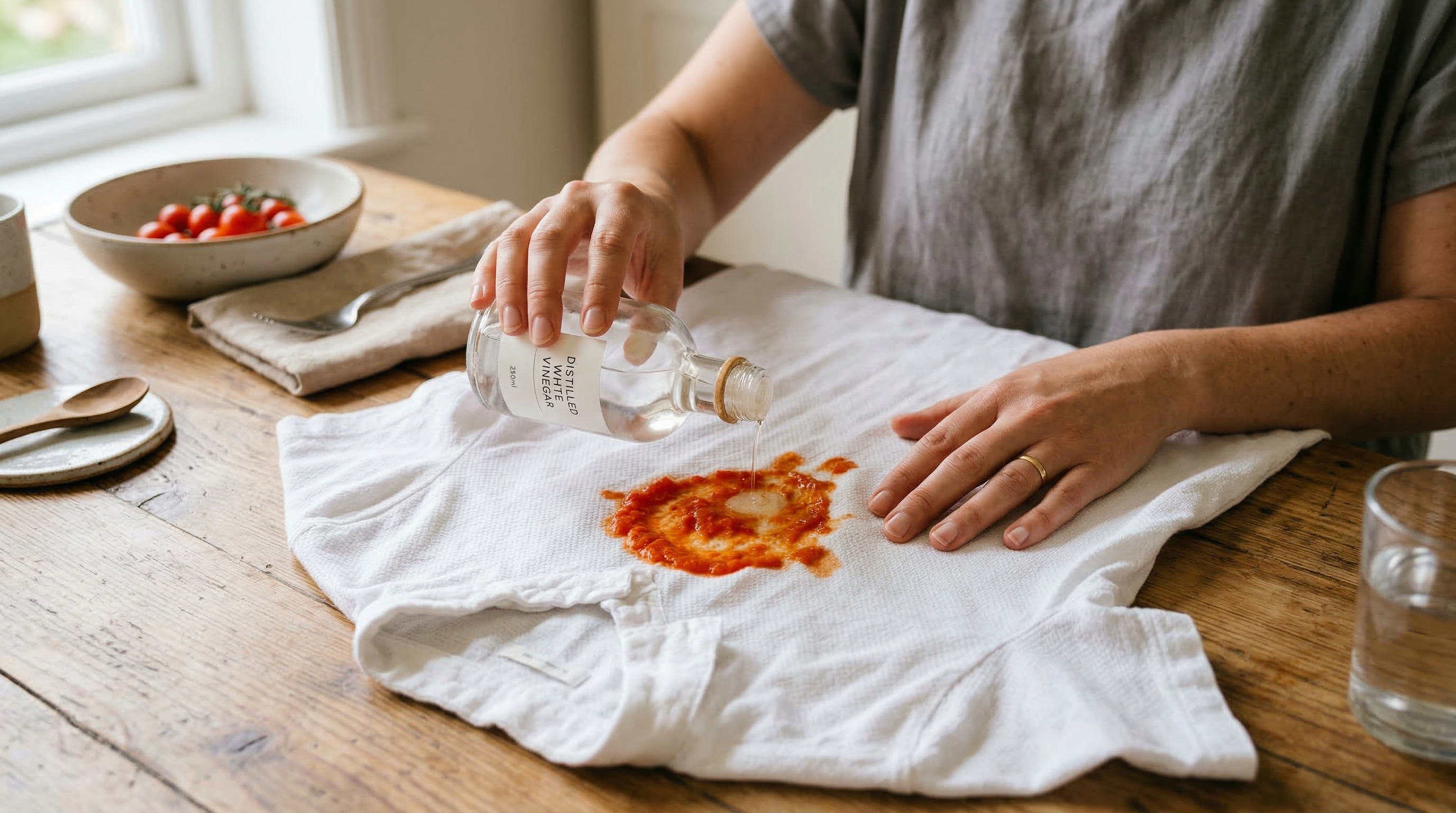
Grandma Knows: How to Remove Tomato Sauce from Clothing
Tomato sauce stains are vivid and quick to set. Learn the right sequence of treatments to remove tomato stains from clothing before they become permanent.
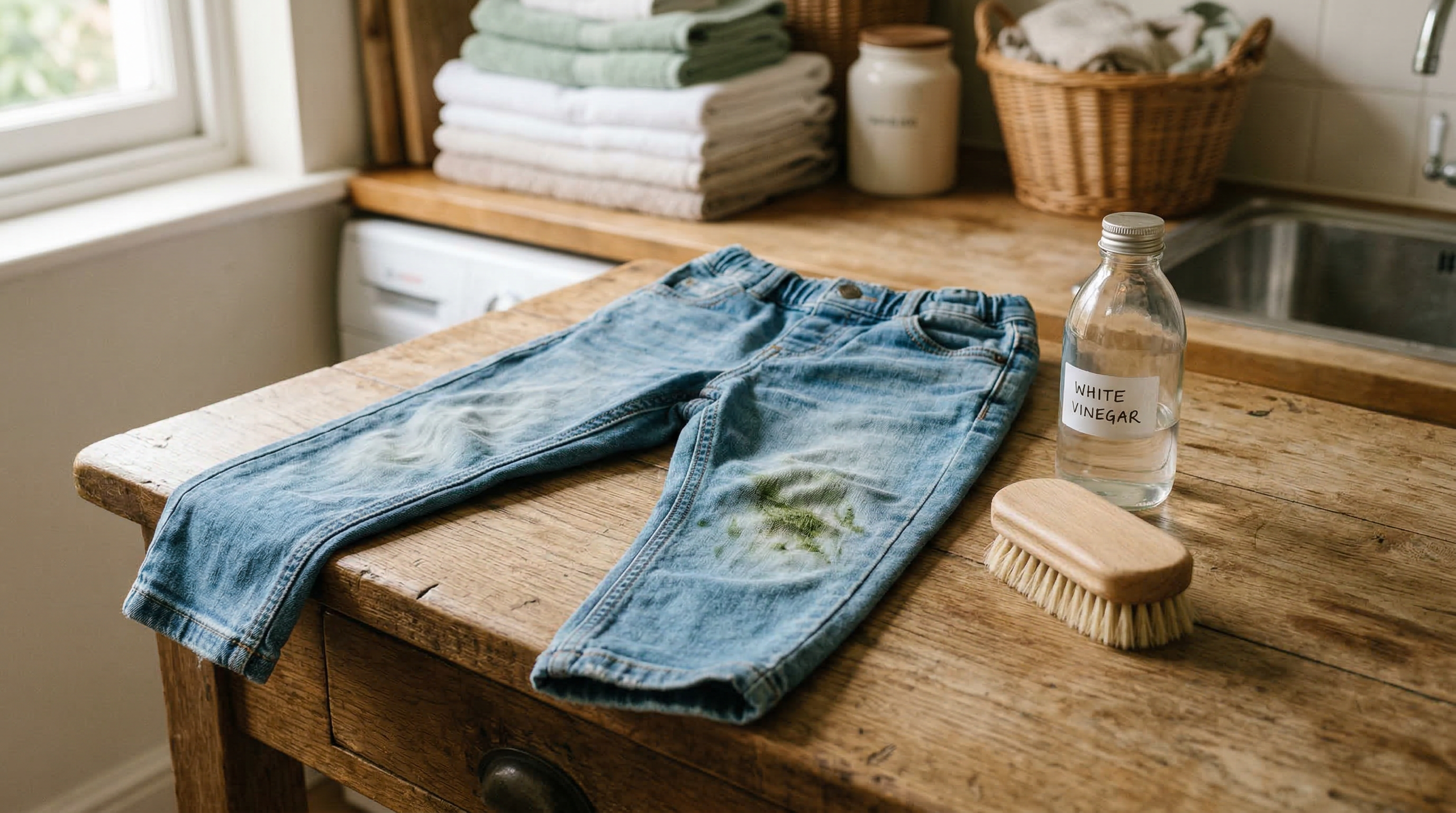
Grandma Knows: How to Remove Grass Stains from Clothes
Grass stains on clothes are stubborn but very treatable. Learn the household methods that break down chlorophyll and get fabric clean again.
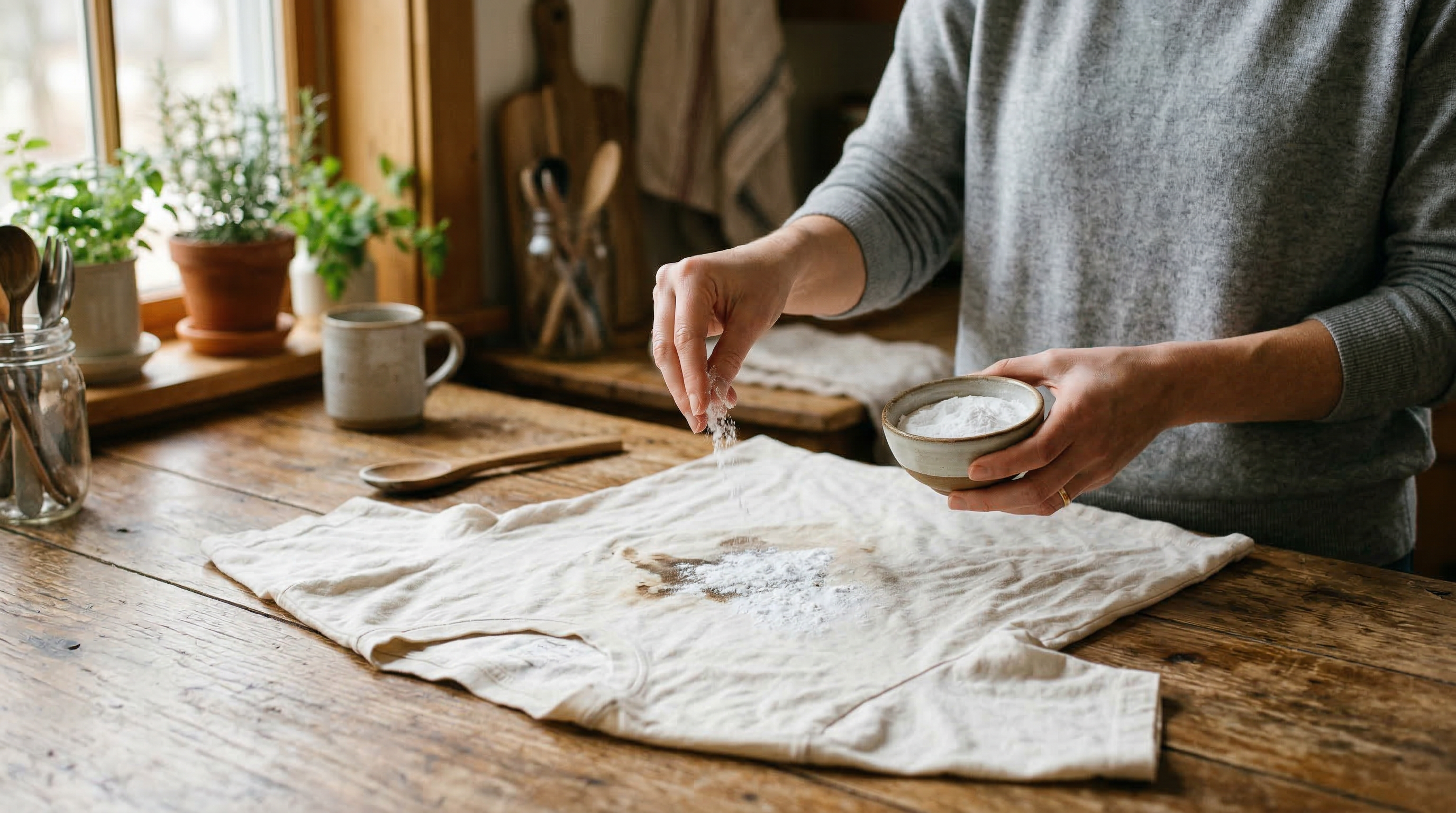
Grandma Knows: How to Remove Grease from Clothes
Grease stains on clothes are tricky but not impossible. Discover proven household methods using baking soda, dish soap, and patience.