
Grandma Knows: How to Remove Pet Stains from Carpet
Learn how to remove pet stains from carpet using simple household ingredients. Practical step-by-step methods that really work.
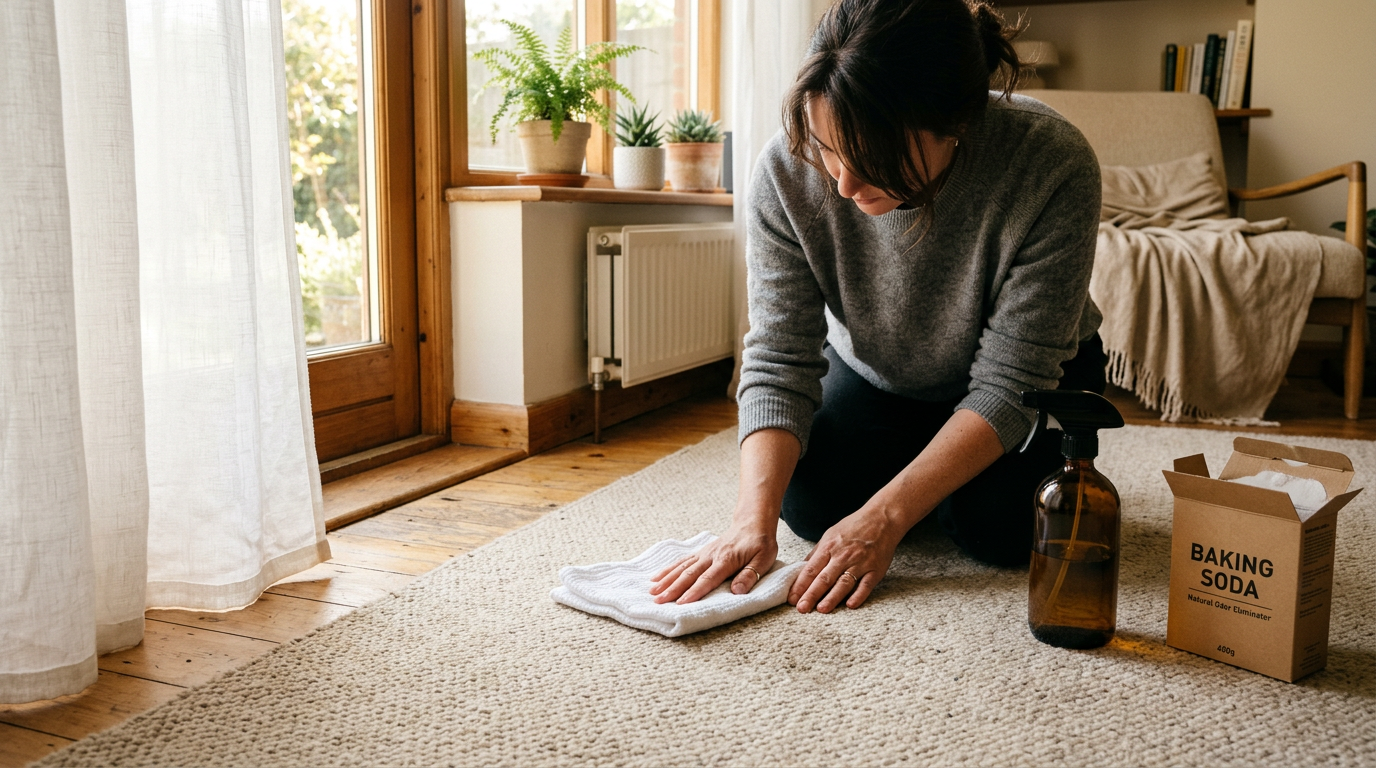
A pet accident on the carpet is one of those household problems that almost every pet owner will face at some point. The stain itself is only part of the issue. The smell — if not handled correctly — can linger for days, or even weeks, and actually encourage a pet to return to the same spot. That is why how you clean matters just as much as how quickly you clean.
The good news is that most pet stains on carpet can be dealt with effectively using simple ingredients you likely already have in your kitchen or laundry cupboard. No specialty sprays are required, though they have their place. Understanding what happens when urine, feces, or vomit soaks into carpet fibers will help you choose the right approach every time.
Why Pet Stains Are Different From Other Carpet Stains
Most household stains — coffee, juice, mud — are either plant-based or mineral-based. They respond well to water and mild soap. Pet stains, particularly urine, are more complex. Fresh urine is slightly acidic, but as it dries and bacteria begin breaking it down, it becomes alkaline and releases ammonia. That sharp, persistent odor is the result of this chemical change.
Urine also contains uric acid crystals. These crystals do not dissolve in water. They can sit dormant in carpet fibers and padding, nearly undetectable when dry — until humidity rises or the area gets damp again. At that point, the smell returns, often stronger than before. This is why a carpet that seemed clean after a surface wipe can suddenly smell again on a rainy day.
Feces and vomit bring their own challenges. They contain biological material, including proteins and bacteria, that bond to carpet fibers. Vomit is also acidic, which can affect carpet dye if left too long. Both require prompt removal and proper disinfection, not just cleaning.
The First Rule: Act Quickly, But Carefully
Speed matters with any stain, and pet accidents are no exception. The longer urine or vomit sits in a carpet, the deeper it works into the fibers and the backing underneath. Carpet backing is often made of latex or jute, both of which absorb moisture readily. Once the liquid reaches the padding below, it becomes much harder to fully remove.
That said, rushing can make things worse. Scrubbing immediately and forcefully is one of the most common mistakes. Scrubbing spreads the stain outward and pushes liquid deeper into the fibers. Instead, blotting — pressing straight down and lifting — is always the correct first move.
Use a clean white cloth, plain paper towels, or an old folded towel. Work from the outside edge of the stain inward. This keeps the stain from spreading into clean carpet. Press firmly, hold for a few seconds, then lift. Repeat with a fresh section of cloth until you are picking up very little moisture.
For solid waste, remove as much as possible first using a plastic bag or a stiff piece of card before any liquid treatment begins. Trying to clean around solid material just drags it further into the carpet.
The Cold Water Rinse Step Most People Skip
Before reaching for vinegar, baking soda, or any cleaning solution, rinsing the area with a small amount of cold water is worth doing. This dilutes the urine or other material still sitting in the fibers and makes the subsequent cleaning more effective.
Use cold water only — never hot or warm. Heat causes proteins in biological stains to set, bonding them more firmly to the carpet fibers. This is the same reason you do not wash a bloodstained cloth in hot water. Cold water keeps the proteins loose and easier to lift.
Pour a modest amount directly onto the stain — just enough to dampen the area — then blot it up immediately. You are not soaking the carpet; you are rinsing it. Repeat this once, then proceed to treatment.
The Vinegar and Water Method
White distilled vinegar is one of the most reliable tools for pet stain treatment, and there is a real reason it works beyond simple tradition. Vinegar is acidic, with a pH around 2.5. When applied to the alkaline residue that dried urine leaves behind, it neutralizes the odor compounds at a chemical level rather than just masking them. This is why it is genuinely effective on smell, not just on the visible stain.
Mix equal parts cold water and white vinegar in a spray bottle or a small bowl. Apply generously to the stained area, enough to penetrate into the fibers where the urine soaked in. Let it sit for five to ten minutes. The vinegar needs contact time to do its work.
Blot the area thoroughly until most of the liquid is gone. The carpet will smell of vinegar as it dries, but this dissipates completely within a few hours. If the vinegar smell is a concern, a light sprinkle of baking soda once the area is dry will absorb any remaining odor.
This method works best on urine stains that are fresh or only a day or two old. On older, deeply set stains, it will improve but may not completely resolve the odor without a second or third treatment.
Baking Soda for Odor Absorption
Baking soda works differently from vinegar. Rather than neutralizing odors through a chemical reaction, it absorbs them. Baking soda is a mild alkali that draws acidic and neutral odor molecules into its structure, trapping them so they cannot keep releasing into the air.
After treating with vinegar and blotting the area as dry as possible, sprinkle a generous layer of baking soda over the entire stain. Do not rub it in — just let it sit on the surface. Leave it for at least several hours. Overnight is better. The longer it sits, the more it absorbs.
Vacuum the baking soda away completely once it has done its work. Check that the stain area is fully dry before vacuuming, as damp baking soda can clog vacuum filters.
Baking soda alone, without prior cleaning, will not remove the stain or the underlying odor source. It is most effective as a finishing step after the bulk of the material has been cleaned away.
Dish Soap for Protein-Based Stains
For feces and vomit, a small amount of liquid dish soap added to the cleaning solution is helpful. Dish soap is designed to break down proteins and fats, which is exactly what these stains contain. Use plain, clear dish soap without added moisturizers, bleach, or strong dyes — these can leave residue or affect carpet color.
Add just a few drops — half a teaspoon — to a cup of cold water. Apply the solution to the stain and work it gently into the fibers using a cloth. Do not use a scrubbing brush, which can damage carpet pile. A soft cloth pressed in and lifted is enough.
Rinse thoroughly after using dish soap. Soap residue left in carpet fibers will attract dirt over time, leaving a sticky patch that picks up grime and appears darker than the surrounding carpet. Rinse with plain cold water and blot dry until no soapy feel remains.
Dealing With Dried or Old Pet Stains
Old pet stains that have fully dried present a different challenge. The uric acid crystals have already formed, and the stain may have already been walked over, spread, or partially cleaned with the wrong products. Some commercial products contain enzymes that specifically break down uric acid — these can be useful where home methods have not fully worked.
Before using any new product on a dry old stain, lightly dampen the area with cold water first. This reactivates the dried material slightly, making it more responsive to treatment. Then apply the vinegar solution as described, allowing extra contact time — up to fifteen minutes — before blotting.
Old stains often require two or three full treatment cycles over consecutive days to resolve completely. Patience and repetition work better than applying more product in a single session, which can oversaturate the carpet and backing.
Be cautious with older or delicate carpets. Wool carpets, for example, are sensitive to acidic solutions and can be damaged by straight vinegar. For wool, use a more diluted solution — one part vinegar to three parts water — or stick to a plain cold water rinse followed by baking soda treatment.
Keeping Pets From Returning to the Same Spot
One practical detail that often gets overlooked is the pet's behavior after cleaning. Dogs and cats are strongly guided by scent when choosing where to go. If any trace of urine odor remains in the carpet — even below what a human nose can detect — the animal is likely to use the same spot again. The cleaning is therefore not just about appearance; it directly affects future behavior.
Thorough odor elimination is the most effective deterrent. This means treating not just the visible stain but the full area where liquid may have spread below the surface. Urine often spreads outward in the carpet backing more than it appears to on top, so treat a slightly wider area than the visible stain suggests.
Once the area is fully clean and dry, placing a piece of furniture over the spot temporarily, or laying a mat on top, can interrupt the habit while it fades. Some people find that a light mist of diluted citrus juice — lemon or orange — on the clean spot acts as a mild deterrent, as many pets dislike citrus scent. Test this on a hidden carpet section first to check it does not affect the color.
When Home Methods Have Limits
Home cleaning methods handle the majority of pet stain situations well. But there are circumstances where they reach their limits. If urine has soaked through the carpet and fully saturated the padding underneath, surface treatment will never fully resolve the odor. The padding holds moisture and becomes a reservoir of bacteria and odor compounds that no amount of topical treatment can fully reach.
In this case, the carpet may need to be pulled back to allow the padding to dry fully, or the padding may need to be replaced in that section. This is more common in households with young animals that had repeated accidents in the same area before the habit was corrected.
Similarly, carpets that have developed visible mold growth due to repeated moisture in one area should be assessed carefully before attempting home treatment. Mold in carpet backing is a health concern, and cleaning the surface will not address what has grown deeper in the material.
For everyday accidents — which is the situation most households face — thorough and prompt cleaning using simple household ingredients handles the problem well. Cold water, white vinegar, baking soda, and a little dish soap cover almost every pet stain situation a typical home will encounter.
Related articles
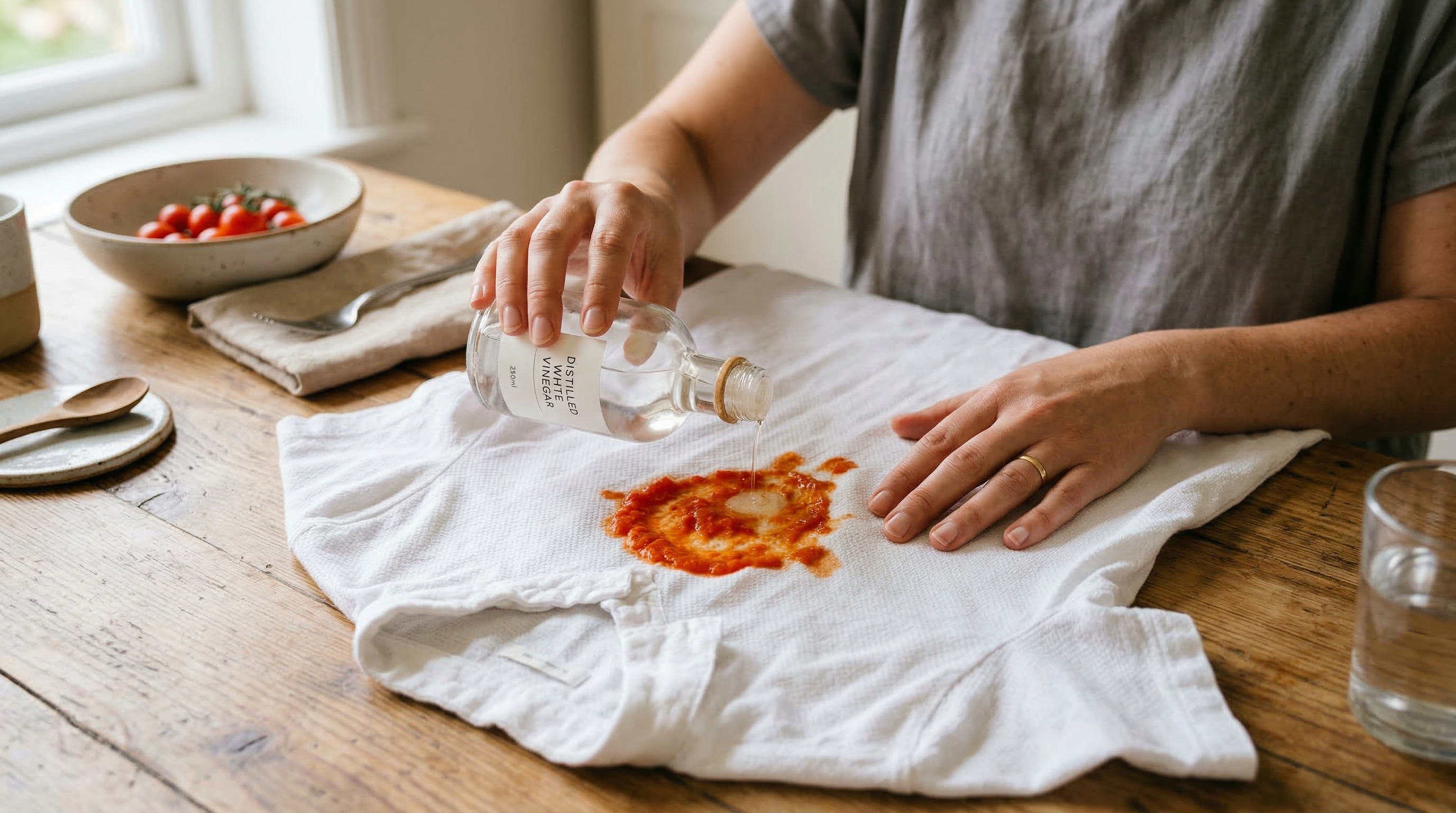
Grandma Knows: How to Remove Tomato Sauce from Clothing
Tomato sauce stains are vivid and quick to set. Learn the right sequence of treatments to remove tomato stains from clothing before they become permanent.
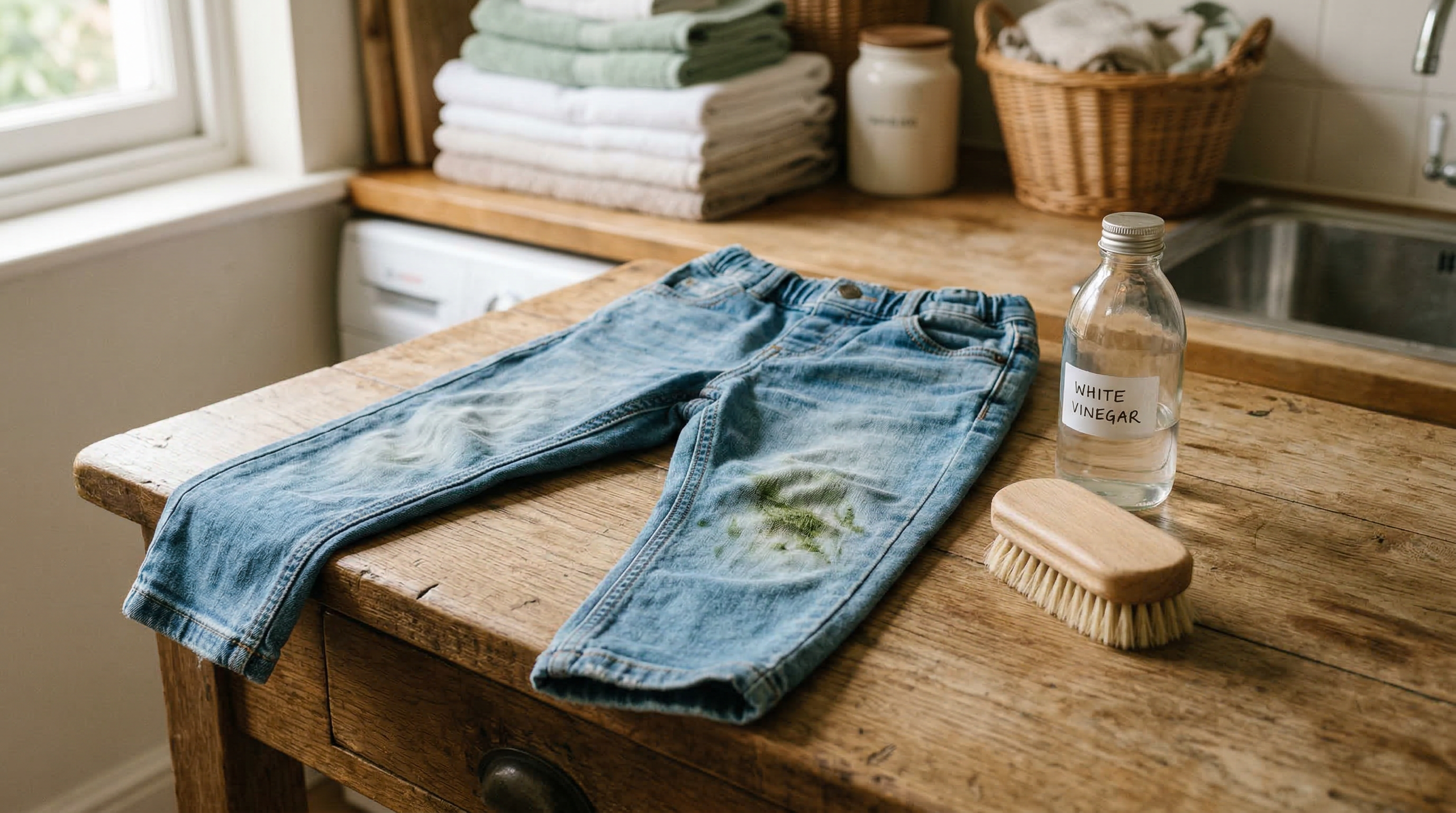
Grandma Knows: How to Remove Grass Stains from Clothes
Grass stains on clothes are stubborn but very treatable. Learn the household methods that break down chlorophyll and get fabric clean again.
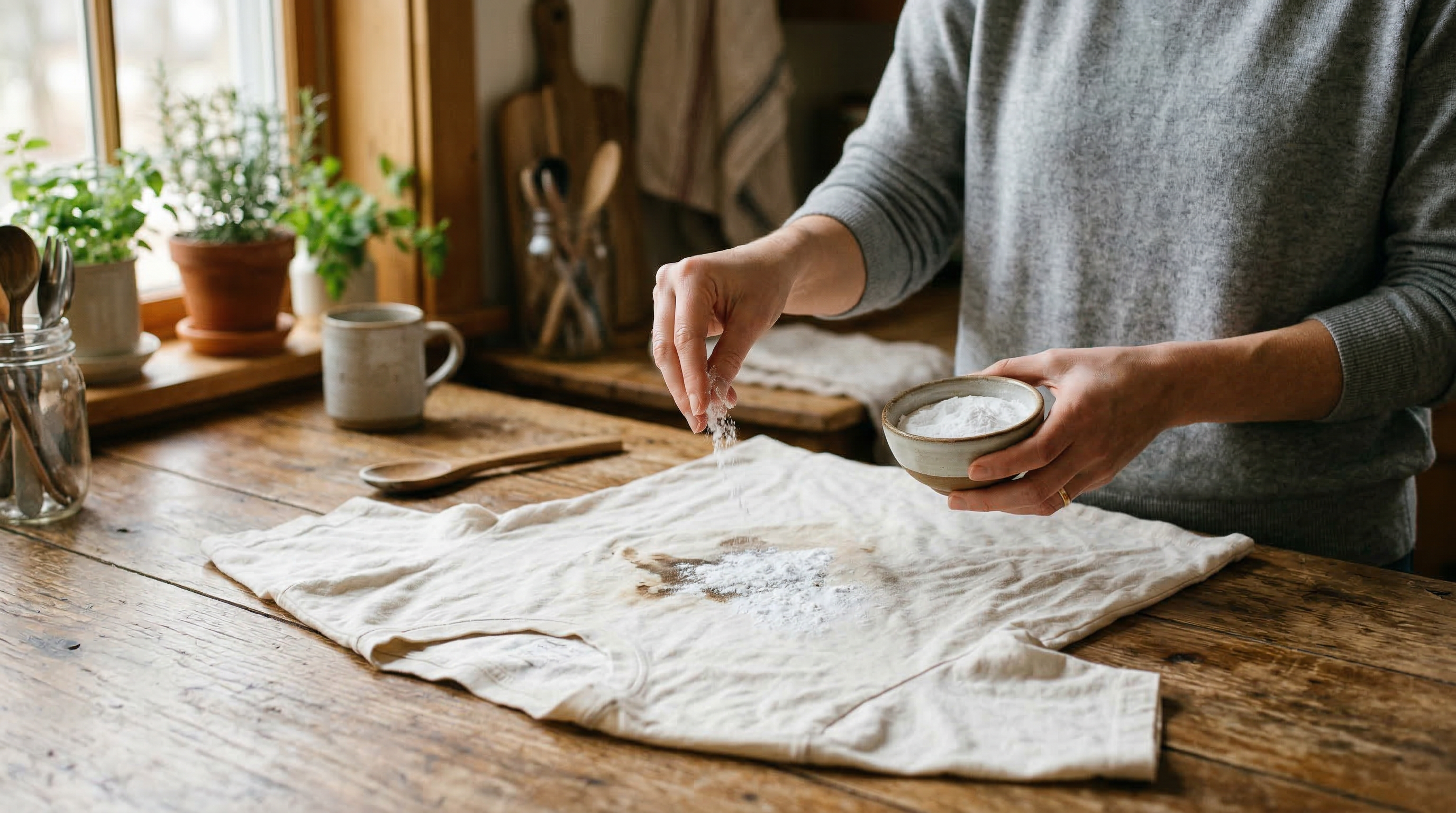
Grandma Knows: How to Remove Grease from Clothes
Grease stains on clothes are tricky but not impossible. Discover proven household methods using baking soda, dish soap, and patience.