
Grandma Knows: How to Remove Ink Stains from Clothing
Ink stains on clothing can feel like a crisis. Learn which household methods work on ballpoint, gel, and permanent ink without ruining the fabric.
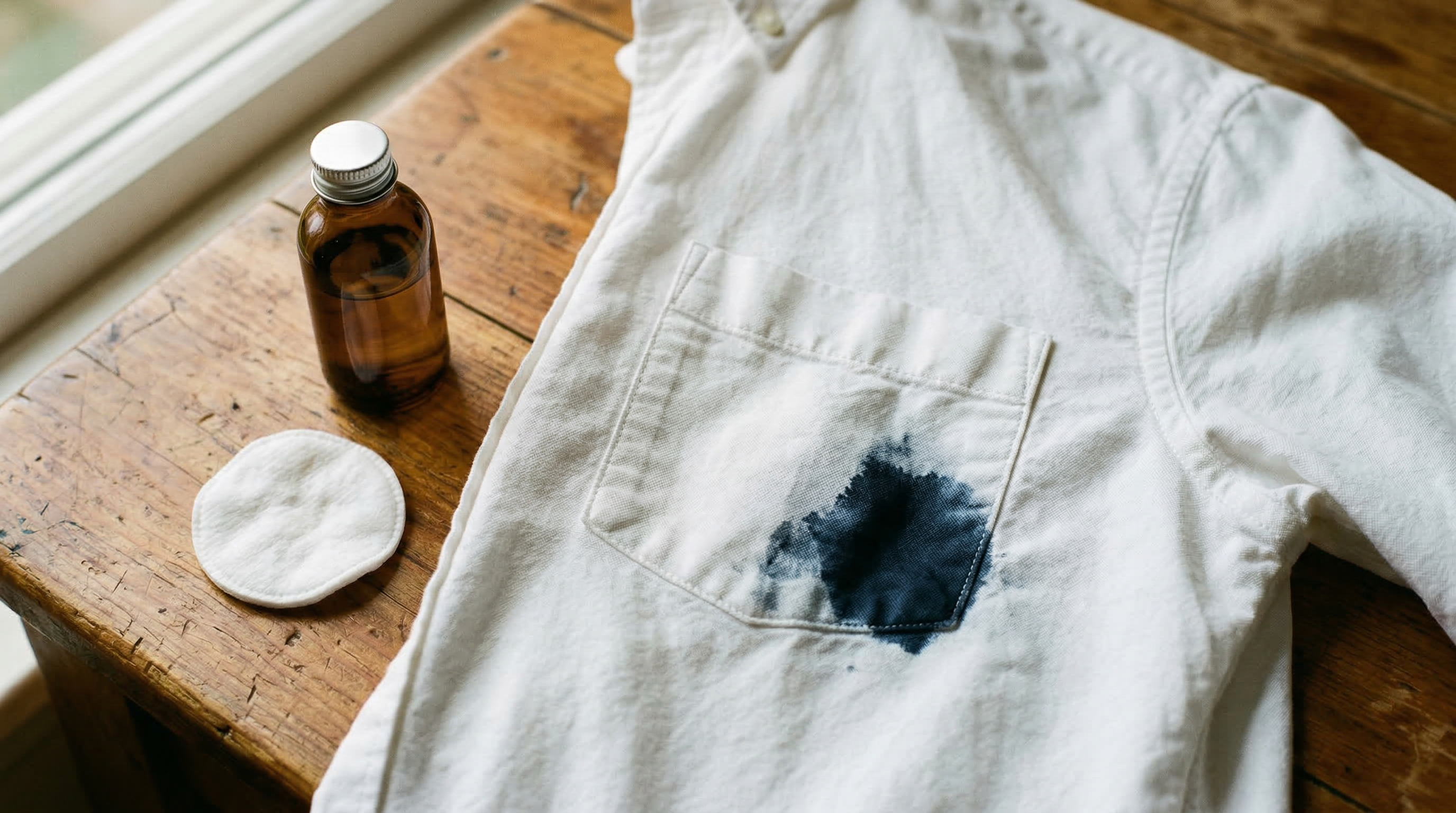
Ink stains have a reputation for permanence that isn't entirely deserved. The challenge is that ink comes in several very different forms — ballpoint, gel, rollerball, fountain pen, and permanent marker — and each responds to a somewhat different treatment. Using the wrong method for the wrong type of ink can set the stain rather than remove it.
The good news is that most ink stains, treated with the right approach before washing, respond well to household methods. The key is identifying the type of ink and acting before it fully dries and sets.
Types of Ink and Why They Differ
Ballpoint pen ink is oil-based. It contains dyes suspended in an oil or solvent carrier, which is what gives it its smooth, controlled flow. This oil base means it doesn't dissolve in water — it requires a solvent or alcohol to break it down.
Gel pen and rollerball ink is water-based. These inks contain dye dissolved in water with a thickening agent. They're generally easier to remove than ballpoint ink when fresh but can bond more quickly once dry.
Permanent marker ink — like that in Sharpie-style markers — uses a solvent-based ink with a dye that's designed to bond to surfaces. It's the most challenging type and may not be fully removable from fabric with home methods.
Fountain pen ink is typically water-based and one of the most responsive to treatment.
Rubbing Alcohol for Ballpoint Ink
Isopropyl alcohol — rubbing alcohol — is the most effective household treatment for ballpoint ink. The alcohol dissolves the oil-based carrier and lifts the dye from the fabric fibers.
Place a clean white cloth or paper towel behind the stained area to absorb ink as it's lifted. Apply rubbing alcohol to another cloth and press it onto the stain — don't rub, as rubbing spreads the stain. As the cloth picks up ink, move to a clean section. Continue until no more ink is transferring to your cloth.
Follow with a small amount of dish soap worked into the fabric, then rinse with cold water before laundering. The soap removes the alcohol residue and any remaining dye particles.
Water-Based Ink: Cold Water First
For gel pen, rollerball, or fountain pen ink, cold water is the first and often most effective tool when the stain is fresh. Hold the back of the stained fabric under cold running water, allowing the water pressure to push the ink back out of the fibers.
Follow with dish soap worked gently into the fabric. For any remaining color, a small amount of white vinegar can help lift water-based dyes. Rinse thoroughly before laundering.
Hairspray: An Old Method That Still Works
Hairspray was commonly used for ink stains long before rubbing alcohol became a household staple, because older hairspray formulas contained a high percentage of alcohol. Many modern hairsprays still work on ballpoint ink stains, though they're less consistent than straight rubbing alcohol.
Spray generously onto the stain, wait a minute, then blot with a clean cloth. The alcohol in the hairspray dissolves the ink carrier. Follow with dish soap and water. This method is messier than direct alcohol application but can be useful when that's what's available.
Salt on Wet Ink
If an ink stain is very fresh and still wet, pouring a generous layer of salt onto it immediately draws moisture and ink out of the fabric through absorption. This can significantly reduce the amount of ink that bonds to the fibers before you're able to treat it more thoroughly.
Brush the salt away after a few minutes and treat the remaining stain with the appropriate method for the ink type.
Permanent Marker: Difficult but Not Impossible
Permanent marker on fabric is genuinely challenging. The dyes are designed to bond to surfaces, and they do so effectively on fabric fibers. Rubbing alcohol is still the best first attempt — apply generously, blot, and repeat. Acetone-based nail polish remover can also break down permanent marker ink, but test it very carefully on hidden fabric first as it can damage some synthetic materials and dyes.
Expect to reduce but not necessarily eliminate a permanent marker stain using home methods. The result often depends heavily on the fiber type and how long the stain has been in the fabric.
Protecting Surrounding Fabric
When treating an ink stain, always place an absorbent cloth or several layers of paper towel behind the stained area. As you apply solvent and work the ink loose, it needs somewhere to go — and without backing, it simply migrates to the next layer of fabric.
Work methodically from the outside of the stain toward the center to prevent spreading.
After Treatment
Wash in cold water after treatment. Check the stain before drying — heat will set any ink that remains. If the stain hasn't fully cleared, treat again before the dryer. Multiple rounds of alcohol treatment, each followed by dish soap and rinsing, can progressively remove ink that a single treatment didn't fully lift.
Patience matters more with ink stains than with most other fabric stains. Repeated gentle treatment outperforms a single aggressive attempt that might damage the fabric while not fully removing the stain.
Related articles
Grandma Knows: How to Remove Tomato Sauce from Clothing
Tomato sauce stains are vivid and quick to set. Learn the right sequence of treatments to remove tomato stains from clothing before they become permanent.
Grandma Knows: How to Remove Grass Stains from Clothes
Grass stains on clothes are stubborn but very treatable. Learn the household methods that break down chlorophyll and get fabric clean again.
Grandma Knows: How to Remove Grease from Clothes
Grease stains on clothes are tricky but not impossible. Discover proven household methods using baking soda, dish soap, and patience.