
Grandma Knows: How to Use Soap for Stain Removal
Learn how to use soap to remove tough stains from clothes, carpet, and fabric. Practical methods that explain why soap works and when to use it.

A stain lands on your shirt before you even finish your first cup of coffee. The tomato sauce slips off the spoon, or the pen leaks in your pocket, or someone sets a greasy hand on the arm of the sofa. These things happen in every household, every single week. The question is never really whether stains will appear — it is whether you know how to deal with them calmly and effectively before they set in for good.
Soap is one of the oldest and most reliable tools for this job. Not a specialized spray, not a bottle with a complicated ingredient list, just soap. The kind that sits on the edge of the sink or in the corner of the shower. Understanding why soap works on stains — and how to use it correctly depending on what you are dealing with — makes a real difference in results.
Why Soap Works on Stains
Soap is effective on stains because of how it interacts with both water and oil at the same time. Each soap molecule has two ends with completely different properties. One end is attracted to water. The other end is attracted to oils and fats. This dual nature is what makes soap such a useful cleaning agent.
When you work soap into a stained fabric, the oil-attracting ends of the soap molecules attach themselves to the grease, food residue, or grime in the stain. The water-attracting ends then allow all of that material to be rinsed away with water. Without soap, plain water struggles to lift oil-based stains because water and oil simply do not mix. Soap acts as the bridge between them.
This is why soap handles greasy stains particularly well. A splash of cooking oil on a shirt, a smear of butter on a tablecloth, the residue from salad dressing — all of these respond well to soap treatment because they are primarily fat-based.
Not every stain is fat-based, though. Protein stains like blood, egg, or sweat behave differently. Tannin stains from coffee, tea, or red wine have their own chemistry. Soap still plays a role in these cases, but the method and the expectations need to be adjusted accordingly.
Choosing the Right Soap
The type of soap matters more than people usually realize. Not all soaps are the same, and using the wrong one can occasionally make things harder rather than easier.
Plain bar soap, particularly the simple unscented variety, is a dependable choice for most fabric stains. It has a straightforward surfactant structure without added moisturizers, dyes, or fragrance compounds that could potentially leave a residue on fabric or affect certain dyes.
Dish soap is another strong option, especially for grease stains. It is specifically formulated to cut through oils and fats, which is exactly what it does when you use it on a grease stain on clothing or upholstery. A small drop goes a long way — it does not take much.
Liquid hand soap with heavy moisturizing additives is generally less reliable for stain work. The moisturizing agents are designed to deposit onto surfaces, which is the last thing you want when treating a stain on cotton or linen.
Avoid using heavily scented soaps on delicate or light-colored fabrics. The fragrance compounds are not always colorless, and on a white shirt or a pale linen blouse, they can sometimes leave a faint shadow even after rinsing.
The General Method: Working Soap Into a Stain
The basic approach applies across most stain types, with adjustments depending on the fabric and the stain itself.
- Act as quickly as possible. Fresh stains respond far better than dried or set ones. The longer a stain sits, the more it bonds with the fibers of the fabric.
- Blot excess material first. If there is liquid, press a clean cloth firmly onto the stain to absorb as much as possible before applying any soap. Do not rub — rubbing spreads the stain outward and pushes it deeper into the fibers.
- Wet the stained area with cool or lukewarm water. Avoid hot water at this stage, especially on protein stains like blood or egg white. Heat can cause proteins to coagulate and bond permanently to fabric fibers.
- Apply a small amount of soap directly to the stain. If using bar soap, you can rub the bar gently over the wet fabric. If using dish soap or liquid soap, place one or two drops directly onto the stain.
- Work the soap in gently using your fingers or a soft-bristled brush. Move from the outer edge of the stain inward to avoid spreading it further.
- Let the soap sit for two to five minutes. This gives the surfactant molecules time to attach to the stain material before rinsing.
- Rinse thoroughly with cool water, checking whether the stain has lifted. For stubborn stains, repeat the process before moving the item to the washing machine.
The most common mistake in this process is rushing the rinse. If soap residue remains in the fabric, it can attract more dirt after washing, leaving a dull patch on the fabric even when the original stain is gone. Rinse longer than you think is necessary.
Grease and Oil Stains
Grease stains are where soap earns its strongest reputation. Cooking oil, butter, bacon fat, salad dressing, and even the natural oils from skin all respond well to direct soap treatment.
For a fresh grease stain, sprinkle a pinch of cornstarch or flour on the spot first and let it sit for a minute or two. These fine powders absorb a portion of the oil from the surface, making the soap's job easier. Brush the powder away gently, then apply dish soap directly and work it in as described above.
On a cotton shirt or kitchen towel, this method will usually lift the stain completely before it ever reaches the washing machine. On thicker fabrics like canvas or denim, a second treatment may be needed.
For older grease stains that have already dried, the process requires more patience. Apply dish soap generously, and rather than rinsing after a few minutes, let it sit for fifteen to twenty minutes. The extended contact time allows the soap to penetrate further into the stain. A soft brush used in gentle circular motions can help loosen the residue before rinsing.
Collar and Cuff Stains
The grayish buildup that appears on shirt collars and cuffs is not a single stain — it is a combination of skin oils, sweat, dead skin cells, and residue from lotions or products. This mixture is stubborn because it has usually been through multiple wash cycles already, which can gradually bake it into the fabric.
Plain bar soap applied directly to a damp collar is an effective treatment for this type of buildup. Rub the bar firmly along the stained area, working up a small lather. Then use an old soft-bristled toothbrush to scrub the lather into the fibers. The mechanical action of the brush combined with the soap's surfactant properties breaks up the layered residue far more effectively than the washing machine drum alone.
Let the soap sit for five to ten minutes before laundering as normal. For collars that have accumulated buildup over many washes, two or three treatments over several wash cycles may be needed to fully restore the fabric.
Soap on Carpet and Upholstery
Carpet and upholstery require a more restrained approach than clothing, because these materials cannot be rinsed under running water. Over-wetting is a common problem that can lead to mold growth in the padding beneath carpet or in the stuffing of furniture.
For fresh spills on carpet, blot up as much liquid as possible using a clean white cloth or plain paper towels. Press firmly and lift — do not rub. Once the bulk of the spill is absorbed, mix a small amount of dish soap with cool water to create a very dilute solution. One or two drops of soap per cup of water is enough.
Apply the solution sparingly to the stain using a clean cloth, working from the outside in. Blot repeatedly rather than rubbing. The goal is to transfer the stain from the carpet fibers onto the cloth. Rinse the cloth, re-apply the solution, and blot again until the stain no longer transfers onto the cloth.
The final step is important and often skipped. Apply plain cold water to the treated area and blot again thoroughly to remove all soap residue from the carpet fibers. Remaining soap in carpet acts as a magnet for future dirt, leaving a patch that looks clean at first but becomes noticeably darker over time as it attracts dust and debris.
When Soap Works Best and When It Does Not
Soap performs best on fresh stains, oil and grease-based stains, and general food residue. It is a reliable first step for most household stain situations when used promptly and correctly.
There are situations where soap alone is not the right tool. Ink stains — particularly ballpoint pen ink — do not respond well to soap treatment because they are not oil-based in the way that food grease is. Rubbing alcohol or a specialized ink remover works more effectively here.
Rust stains on fabric require an acid-based treatment such as lemon juice and salt. Soap has no meaningful effect on rust because rust is a mineral oxidation product, and soap's surfactant chemistry does not interact with it in a useful way.
Mold or mildew stains on fabric involve living organisms and the discoloration they leave behind. Soap can help remove the surface residue, but it does not address the underlying cause. For fabric mold, a diluted white vinegar treatment or a proper antifungal laundry additive is more appropriate.
Very old, fully set stains — particularly protein stains that have been through a hot dryer cycle — are significantly harder to remove with any method. Heat permanently alters the structure of protein stains, making them bond tightly to fibers. Soap can reduce the discoloration in some cases, but full removal is not always possible once heat has been applied.
Fabric Considerations
The fabric type affects both the method and the expected outcome. Most cotton, linen, and synthetic blends handle soap treatment without problems. These everyday fabrics are durable and respond well to gentle scrubbing.
Wool and silk require much more care. These natural fibers are sensitive to agitation and to pH imbalances. Dish soap and most bar soaps are mildly alkaline, which can cause wool fibers to felt or silk fibers to lose their sheen if used too aggressively. For wool and silk, a very mild soap specifically labeled for delicate fabrics is a safer choice, and the treatment should be as gentle as possible — light dabbing rather than scrubbing, and thorough but gentle rinsing.
Darker fabrics should always be tested in an inconspicuous area first before treating a stain directly. While soap does not typically affect dye, the friction involved in working soap into a stain can, over time, contribute to surface pilling or minor abrasion on certain synthetic fabrics.
Building It Into Everyday Routine
The most effective stain removal happens before the stained item ever reaches the laundry basket. Keeping a bar of plain soap or a small bottle of dish soap near the laundry area makes it natural to treat stains immediately, while they are still fresh and responsive.
A soft-bristled brush — the kind used for cleaning vegetables or an old toothbrush — stored alongside the soap adds the mechanical action that makes treatment more effective on thicker fabrics and woven materials.
The habit of checking clothing briefly before putting it in the laundry basket takes seconds and catches the stains that are easy to miss in dim light. A quick soap treatment on those spots, followed by a normal wash cycle, handles the majority of everyday household stains without the need for any specialized products at all.
Related articles
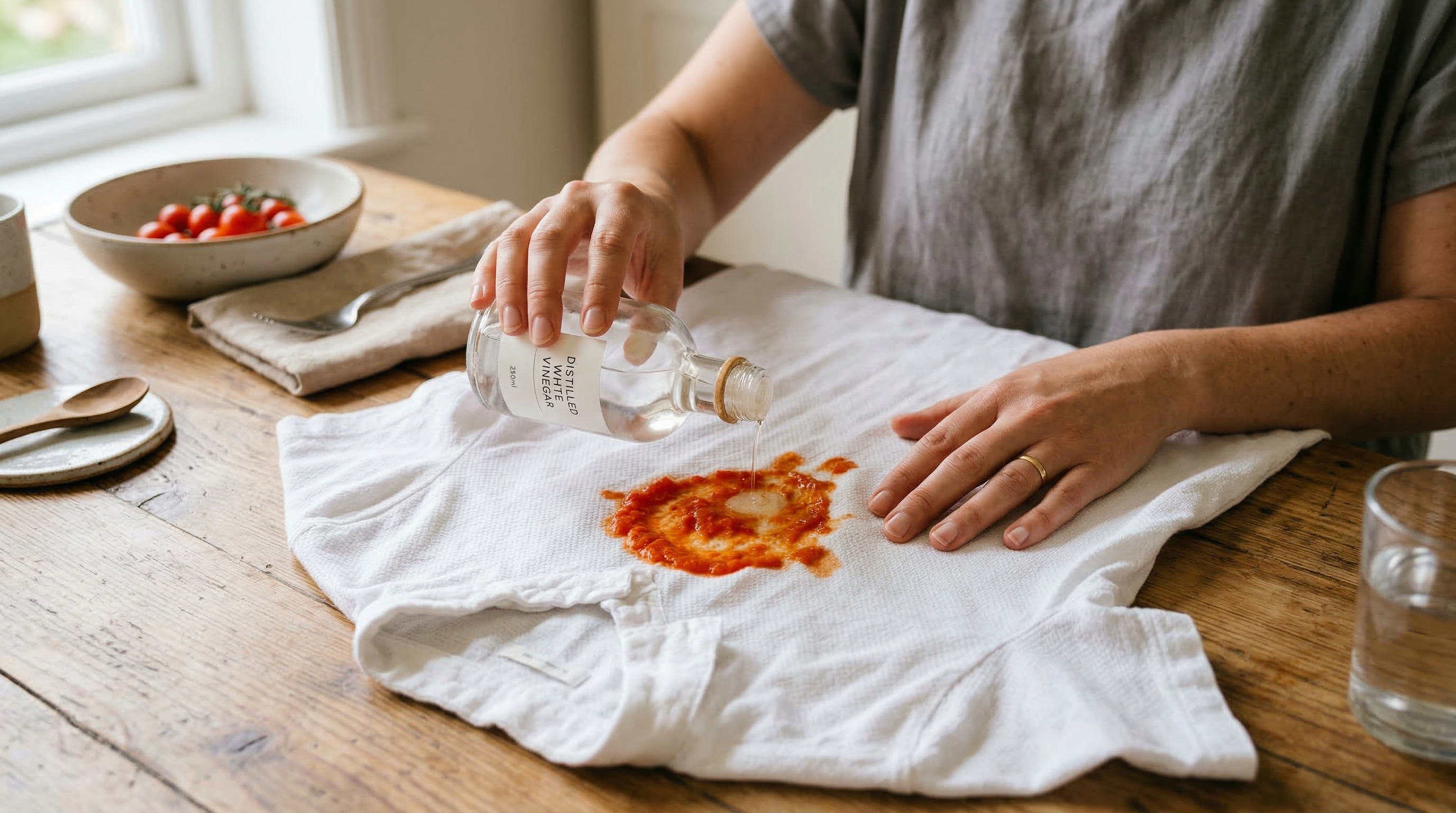
Grandma Knows: How to Remove Tomato Sauce from Clothing
Tomato sauce stains are vivid and quick to set. Learn the right sequence of treatments to remove tomato stains from clothing before they become permanent.
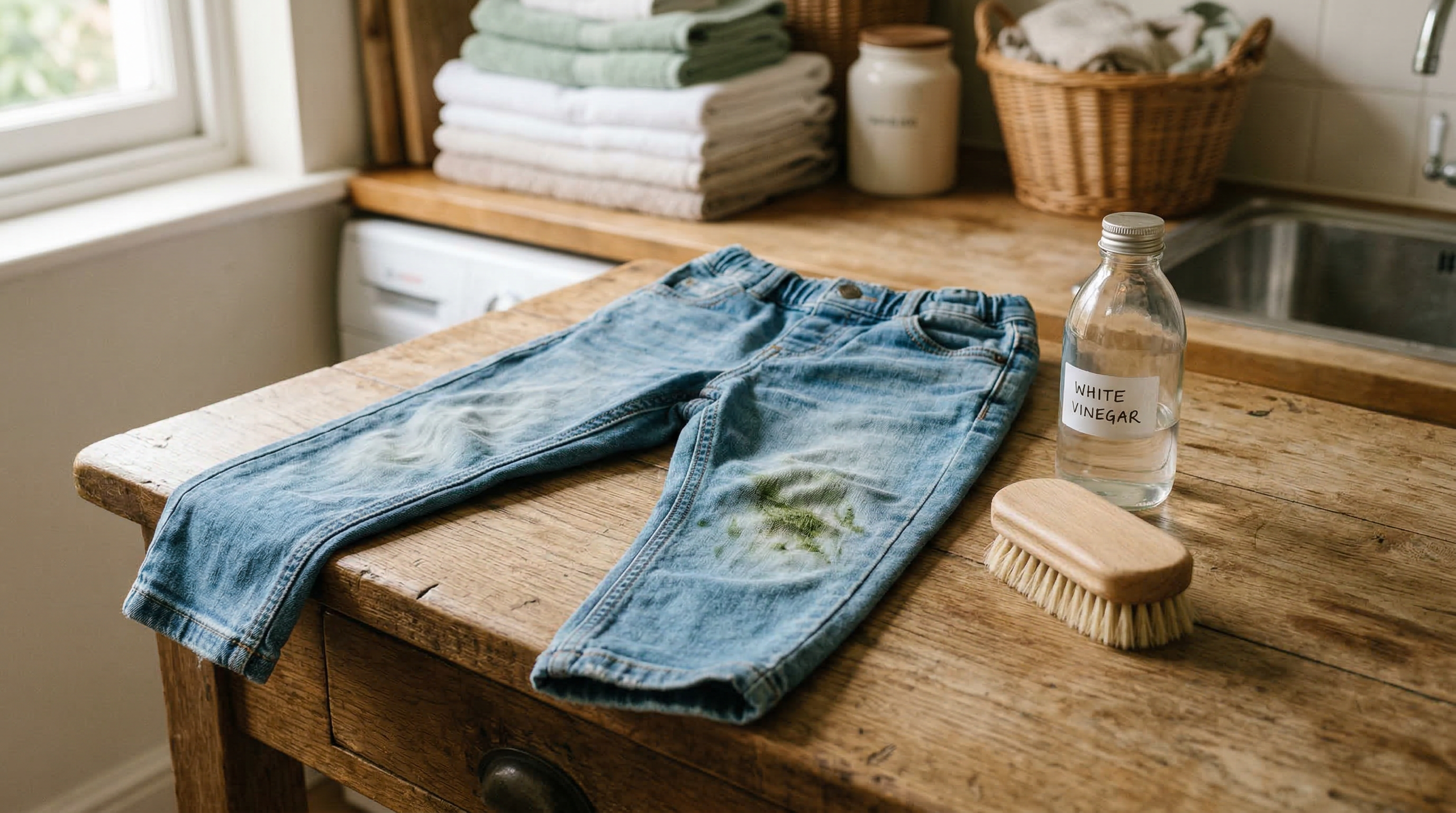
Grandma Knows: How to Remove Grass Stains from Clothes
Grass stains on clothes are stubborn but very treatable. Learn the household methods that break down chlorophyll and get fabric clean again.
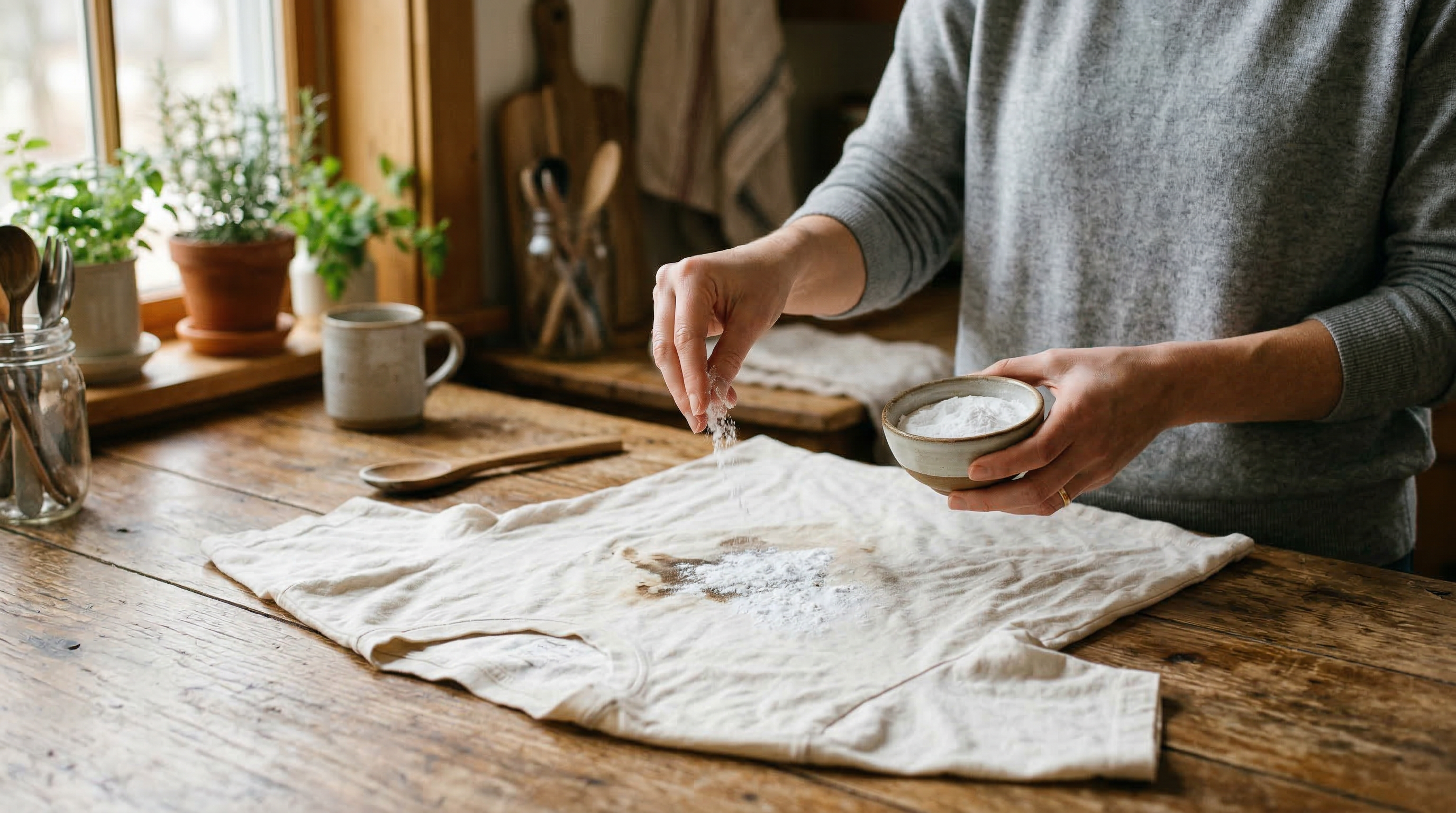
Grandma Knows: How to Remove Grease from Clothes
Grease stains on clothes are tricky but not impossible. Discover proven household methods using baking soda, dish soap, and patience.