
Grandma Knows: How to Remove Oil from Carpet
Oil stains on carpet don't have to be permanent. Learn practical, proven methods to lift grease and oil from carpet fibers using simple household supplies.
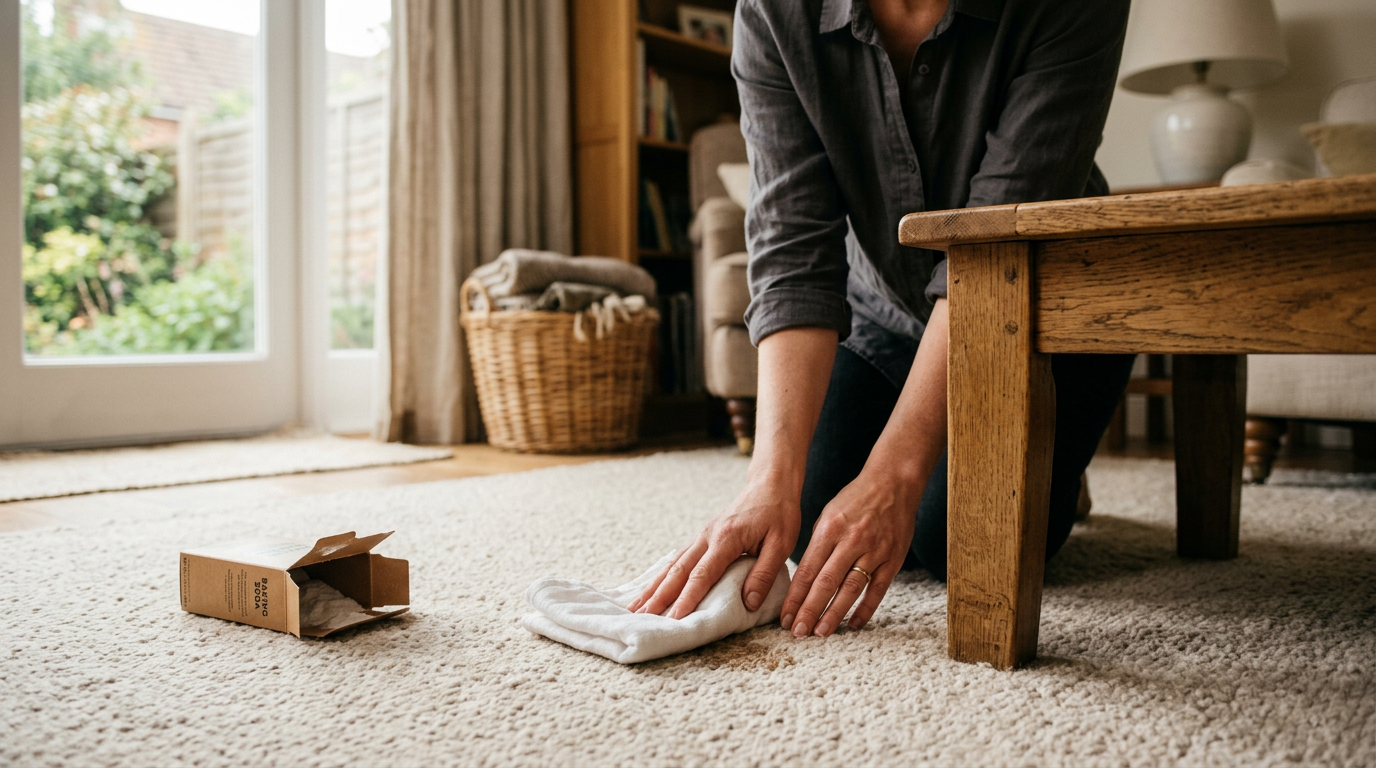
An oil stain on carpet has a way of looking worse than almost any other kind of spill. It doesn't spread dramatically the way a red wine stain does, but it soaks in quietly and leaves behind a dark, greasy patch that seems to resist every cleaning attempt. The fibers hold onto the oil tightly, and without the right approach, scrubbing and water can actually push the stain deeper rather than lifting it out.
The good news is that oil stains on carpet respond well to treatment when you understand what you're actually dealing with. The key is using the right materials in the right order, and not rushing the process.
Why Oil Stains Are Different from Other Spills
Most common spills — juice, coffee, muddy footprints — are water-based. They respond to blotting and water because water molecules can break them apart and carry them away. Oil is the opposite. It repels water, which is why splashing plain water on a grease stain does very little except spread the edges and potentially push the stain further into the carpet backing.
Oil also bonds with the fibers of the carpet at a molecular level. Synthetic fibers like nylon and polyester actually attract oily substances, which is part of why the stain looks so stubborn. Natural fibers like wool absorb oil differently, holding it inside the fiber rather than on the surface.
This is why the first step in removing an oil stain is never water. You need something that can absorb the oil or break its bond with the fibers before any liquid is introduced.
What Causes Oil Stains on Carpet
Oil stains in everyday home life come from more sources than people usually expect. The obvious ones are cooking oils — olive oil, vegetable oil, butter — dropped or splashed in the kitchen or carried on the bottom of a pan. But oil also transfers from skin and hair, from greasy food like pizza or fried chicken eaten in front of the television, from bike chains and tools brought indoors, and from certain cosmetic products like lotion, sunscreen, and hair serum.
Motor oil and machine grease are harder to deal with than food-grade oils, but the general method is the same. The difference is usually in how long the stain has been sitting and how much product you'll need.
The First and Most Important Step: Absorb Before You Scrub
When oil lands on carpet, the immediate instinct is often to grab a cloth and start rubbing. This is the single biggest mistake you can make. Rubbing spreads the oil outward and drives it deeper into the pile. The first action should always be to absorb as much oil as possible using a dry material.
Blot the area first with a clean dry cloth or paper towel. Press down gently and lift straight up — don't drag the cloth across the surface. This removes surface oil before it has a chance to set further.
Then apply a dry absorbent powder generously over the stain. The most reliable choices from the household pantry are:
- Baking soda — fine-grained, odor-neutralizing, and very effective at drawing oil out of fibers
- Cornstarch — similar to baking soda in texture, slightly more absorbent for heavier oils
- Plain talcum powder or baby powder — works in the same way, though it leaves a faint scent
- Dry cat litter (fine-grain, unscented) — useful for larger spills, especially motor oil or grease
Cover the stain completely with the powder, pressing it down lightly so it makes contact with the oily fibers. Leave it in place for at least 15 to 20 minutes. For a stain that has already dried or been sitting for several hours, leave the powder for a full hour or longer. The longer it sits, the more oil it draws to the surface.
After the waiting period, vacuum up the powder thoroughly. You should see the powder has taken on a slightly greasy or yellowish color — that is oil it has lifted out of the carpet.
Using Dish Soap to Break Down the Oil
Once you've removed as much oil as possible through absorption, it's time to break down what remains. This is where dish soap becomes one of the most effective tools in the house.
Dish soap is specifically formulated to cut through grease and oil. It contains surfactant molecules that attach to oil on one end and to water on the other, allowing oil to be rinsed away with water. This is the same reason dish soap cleans greasy pans so effectively — and it works the same way on carpet fibers.
Apply a small amount of clear or white dish soap — about half a teaspoon — directly to the stained area. Avoid soaps with added dyes or heavy moisturizers, as these can leave their own residue in the carpet.
Using a clean cloth or soft-bristled brush, work the soap gently into the stain using small circular motions, starting from the outer edge and moving inward. Working inward prevents the stain from spreading. You're trying to surround the oil and lift it, not push it out to a wider area.
After working in the soap, blot the area with a damp cloth to lift the soap and oil together. Use clean sections of the cloth each time you blot so you're not redepositing anything you've already removed. Repeat this process — apply, work in, blot — until you stop seeing oil transferring to the cloth.
Finish by blotting the area with a clean damp cloth using plain cold water to remove any soap residue. Soap left in the carpet fibers attracts dirt over time and can leave the area looking dull or feeling stiff.
When the Stain Has Already Dried
A fresh oil stain is always easier to treat than one that has had time to dry and set. But a dried oil stain is not a lost cause — it simply requires a longer treatment process.
Start by rehydrating the stain slightly. Apply a small amount of warm water to the area — not hot, which can set the stain, but comfortably warm. This softens the dried oil and makes it more responsive to treatment.
Then apply your dry absorbent powder as described above and leave it for at least an hour. Follow with the dish soap method, but allow the soap to sit on the stain for five to ten minutes before you begin working it in. This gives the surfactants more time to penetrate the set oil.
You may need to repeat the full process two or three times for a stain that has been sitting for more than a day. Each round will lift a little more, and patience here genuinely pays off.
Rubbing Alcohol for Stubborn or Greasy Residue
Some oil stains — particularly from cosmetics, hair products, or machine grease — leave behind a residue that dish soap alone doesn't fully remove. In these cases, plain rubbing alcohol (isopropyl alcohol, 70% concentration) can be helpful.
Apply a small amount of rubbing alcohol to a clean white cloth and blot the stained area gently. Do not pour alcohol directly onto the carpet. Alcohol is a solvent that can dissolve certain types of oil-based residue, and it evaporates quickly so it doesn't saturate the carpet backing.
Test a small hidden area of the carpet first if you're unsure about the fiber type. Alcohol can affect the color of some dyed natural fiber carpets. For synthetic carpets — which are the most common in modern homes — it's generally safe in small amounts.
After treating with alcohol, follow up with the dish soap method to clean the area fully, then blot dry.
The Right Way to Dry the Carpet After Treatment
How you dry the carpet after cleaning matters more than most people realize. Leaving the area wet for too long can cause mold or mildew to develop underneath, and it can also cause the carpet backing to loosen or warp.
After your final blotting, place a thick layer of clean dry towels over the treated area and press down firmly. You can weigh them down with a heavy book to help them draw out the remaining moisture. Leave this in place for 30 minutes to an hour.
If the room has good airflow, open a window or run a fan aimed at the area. Avoid using a hair dryer on high heat directly on the carpet — low heat or cool air is fine, but high heat can damage synthetic fibers or permanently set any remaining residue.
Once the carpet is fully dry, run a vacuum over the area to restore the pile and lift any powder residue that might remain deep in the fibers.
When the Stain Doesn't Fully Come Out
Some oil stains — especially those from motor oil, heavy machine grease, or cosmetics with strong pigments — may not come out completely with home methods. If the stain has been treated multiple times without full improvement, a commercial enzyme-based carpet cleaner or dry-cleaning solvent may be the next step. These products are designed for situations where household methods have reached their limit.
If the carpet is a delicate natural fiber like wool or silk, or if the stain covers a large area, it's worth consulting a professional carpet cleaner. Attempting aggressive treatment on a fine carpet can cause more damage than the stain itself.
For wall-to-wall synthetic carpet in everyday use — the kind found in most living rooms and bedrooms — the methods described here will handle the vast majority of oil stains when applied promptly and patiently.
A Few Practical Details Worth Knowing
Always use white or light-colored cloths when blotting stains. Colored cloths can transfer dye to damp carpet fibers, especially when any cleaning solution is involved.
Cold water is generally preferred over hot during the treatment process. Hot water can cause certain oils to penetrate more deeply into synthetic fibers.
If you're dealing with a stain near the edge of a rug or in a high-traffic area, treat the full visible stain but also clean a slightly wider area around it. Oil migrates outward gradually, and treating only the dark center sometimes reveals a faint ring as it dries.
For carpet in a dining room or near a kitchen, keeping a small container of baking soda nearby means you can respond to a spill within seconds — before the oil has any time to settle. Speed is always an advantage with oil stains, and having the supplies within reach makes the difference between a five-minute fix and a two-hour cleaning session.
Related articles
Grandma Knows: How to Remove Tomato Sauce from Clothing
Tomato sauce stains are vivid and quick to set. Learn the right sequence of treatments to remove tomato stains from clothing before they become permanent.
Grandma Knows: How to Remove Grass Stains from Clothes
Grass stains on clothes are stubborn but very treatable. Learn the household methods that break down chlorophyll and get fabric clean again.
Grandma Knows: How to Remove Grease from Clothes
Grease stains on clothes are tricky but not impossible. Discover proven household methods using baking soda, dish soap, and patience.