
Grandma Knows: How to Remove Juice Stains from Carpet
Juice spilled on the carpet? Learn practical, proven methods to lift juice stains using simple household ingredients before they set.
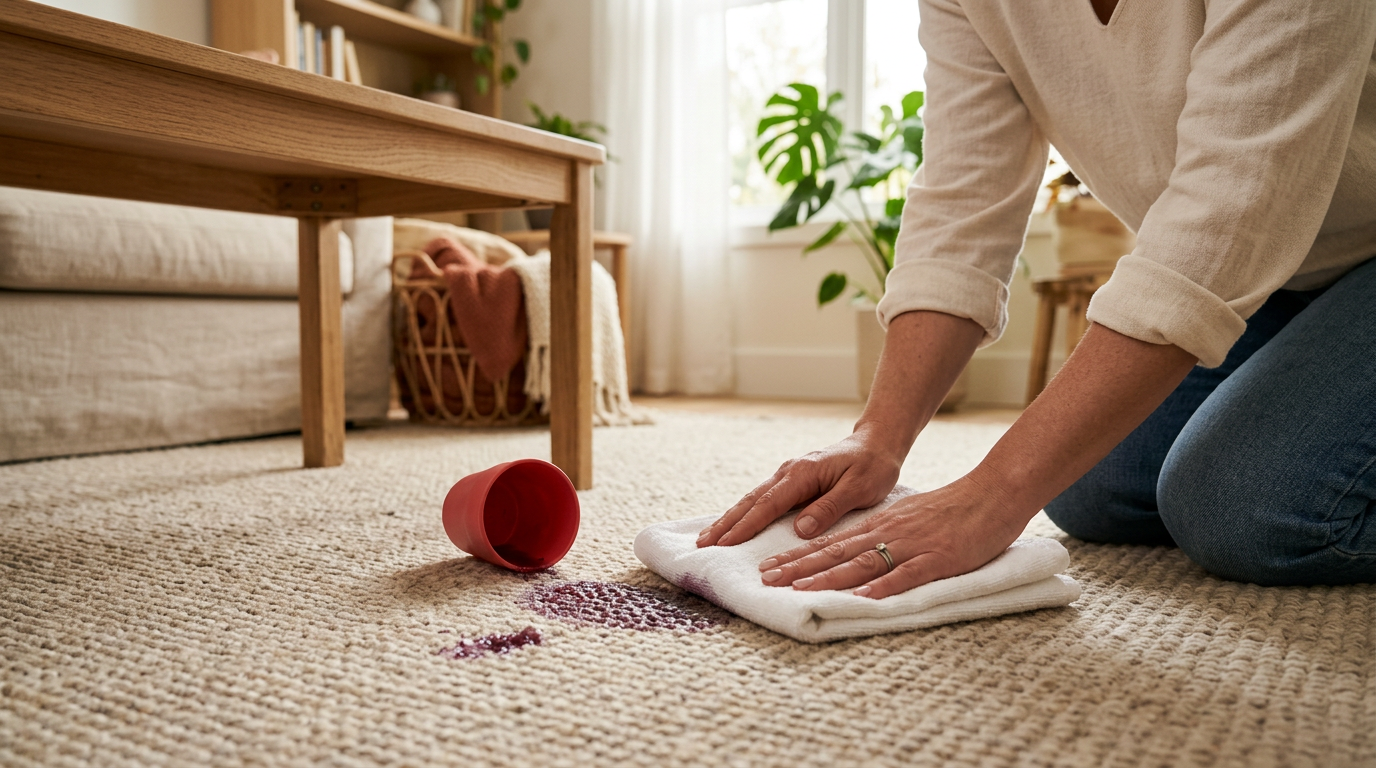
A cup tips over, a small hand reaches too far, and suddenly there is a bright splash of apple juice or grape juice soaking into the carpet fibers. It happens in almost every home. The stain looks alarming, especially when the juice is dark, but the situation is rarely as permanent as it first appears.
What matters most in these moments is not panic — it is knowing what to do and doing it calmly. Juice stains respond well to simple household solutions, but only when you understand how the stain works and why certain treatments are effective. Acting with the right method at the right time makes all the difference.
Why Juice Stains Are Stubborn
Juice contains two main things that make it difficult to remove from carpet: natural pigments and sugar. The pigments, particularly in darker juices like grape, cranberry, cherry, or pomegranate, bind quickly to carpet fibers. The sugar in juice is almost invisible as a problem at first, but if it is not fully removed, it leaves a sticky residue that attracts dirt over time. That is why a carpet can look clean after a quick wipe, then slowly appear dingy or discolored in the weeks that follow.
Carpet fibers are also porous. Unlike a smooth tile floor, carpet holds liquid deep in its structure. The moment juice lands on carpet, it begins wicking downward into the backing and padding underneath. This is why time is so important. The longer the juice sits, the deeper it travels, and the harder it becomes to pull back out.
Heat makes juice stains worse. Hot water or steam causes the pigment molecules to bond more firmly to the fibers. This is something many people do instinctively wrong — they reach for the hottest water thinking it will clean more powerfully. With juice stains, and most protein or pigment-based stains, cool or lukewarm water is always the right choice.
The First Thing to Do
Before reaching for any cleaning solution, you need to remove as much of the liquid as possible from the surface of the carpet. This step is often rushed or skipped, but it is the most important one.
Use a clean white cloth, a stack of paper towels, or a folded piece of cloth that you do not mind staining. Press it firmly onto the spill and hold it there for several seconds. Do not rub. Rubbing spreads the juice outward and pushes it deeper into the fibers. Instead, press straight down and lift straight up. Replace the cloth or paper towels as they become saturated and repeat until no more liquid transfers to the cloth.
If the spill was large, you can place a thick folded towel over the area and stand on it gently for about thirty seconds. Your weight helps draw the moisture upward into the towel rather than letting it sink further into the padding below.
Once you have absorbed as much liquid as possible, work quickly. The carpet is wet and the stain has not yet fully bonded to the fibers. This is your best window for treatment.
Cold Water First
Before applying any solution, rinse the stained area with a small amount of cold water. Pour it slowly and carefully — you want to dilute the remaining juice without flooding the area. Then blot again with a clean cloth. This step alone can reduce the stain significantly, especially with lighter juices like apple or white grape.
Do not pour a large amount of water all at once. Over-wetting the carpet forces moisture deeper into the padding, which can lead to mold growth underneath the carpet if it does not dry properly. A controlled rinse followed by firm blotting is always better than soaking.
Salt for Fresh Spills
Salt is one of the oldest household tools for dealing with liquid spills on fabric, and it works because of a simple physical process. Salt absorbs moisture. When you pour a generous amount of table salt over a fresh juice spill, the salt crystals draw liquid up and out of the fibers before it can settle in.
After your initial blotting, pour a thick layer of salt directly over the damp stain. Leave it in place for three to five minutes. You will often see the salt change color as it pulls the pigment upward. Then vacuum or brush it away carefully and assess what remains. This works best on fresh spills and lighter juices. It will not remove a dried stain on its own, but it is an excellent first response when you catch a spill quickly.
Dish Soap and Cold Water
A small amount of liquid dish soap mixed with cold water is one of the most reliable methods for juice stains on carpet. The soap works by breaking down the surface tension of the liquid and loosening the pigment from the fibers without damaging them.
Mix one teaspoon of clear or white dish soap into two cups of cold water. Stir gently — you do not want heavy foam, just a lightly soapy solution. Using a clean white cloth, apply a small amount of the solution to the stained area, working from the outside edges of the stain toward the center. This prevents spreading the stain outward.
Blot, do not scrub. Apply a little solution, blot firmly, and repeat. You should see the color lifting with each application. Once the stain has faded significantly, rinse the area with plain cold water to remove all soap residue. Soap left in carpet fibers attracts dirt and can cause the area to look soiled again within days. Blot the rinsed area dry as thoroughly as possible.
This method works well on most juice types and is safe for most carpets. If your carpet is wool or has a delicate fiber, test any solution in a hidden corner first before applying it to a visible stain.
White Vinegar Solution
White vinegar is effective on juice stains because it is mildly acidic. The acid helps break down the pigment compounds and neutralizes the sugars left behind by the juice. It is also a natural deodorizer, which matters if the juice was something like orange or pineapple that can leave a faint smell as it dries.
Mix one tablespoon of white vinegar with one tablespoon of dish soap and two cups of cold water. Apply the solution to the stain with a clean cloth, blotting steadily. The vinegar smell will be present while you work but will disappear completely as the carpet dries.
Vinegar is particularly useful for darker juice stains — grape, cranberry, pomegranate — where the pigment is more concentrated. It can also help with stains that have dried slightly because the acid helps loosen the bond between the pigment and the fiber.
After treating with vinegar solution, always rinse the area with cold water and blot dry. Leaving vinegar residue in the carpet is not harmful, but rinsing ensures the most thorough clean.
Baking Soda for Dried or Set Stains
If the juice stain was not caught immediately and has had time to dry, the approach needs to change slightly. Dried stains require a bit of rehydration before treatment. Dampen the area lightly with cold water to soften the dried juice, then apply your chosen cleaning solution.
Baking soda is helpful at this stage because it gently lifts residue and neutralizes odors. After treating the stain with dish soap or vinegar solution and blotting it mostly clean, sprinkle a light layer of baking soda over the damp area. Leave it for fifteen to twenty minutes. The baking soda absorbs remaining moisture and any lingering odor as it dries. Vacuum it away once fully dry.
Baking soda alone will not remove a juice stain — it is not a cleaner in that sense. But used at the end of the process, it helps finish the job by pulling out what remains after the main cleaning is done.
Dealing with Grape and Dark Berry Juice
Grape juice, cranberry juice, and dark berry blends deserve their own mention because they contain anthocyanins — deeply pigmented compounds that bond to fabric fibers very aggressively. These stains are the hardest of the juice family and require quick action and patience.
With dark juice stains, do not skip any steps. Blot thoroughly, apply salt if the spill is fresh, then work with a vinegar and dish soap solution over multiple rounds of application and blotting. The stain may not disappear in one treatment. Let the area dry, then assess and treat again if needed. Layered treatment over one or two sessions often removes what a single cleaning could not.
Avoid any temptation to use a colored cleaning cloth when treating dark juice stains. The dye from a colored towel can transfer to damp carpet fibers, creating a second problem. Always use white or very light cloths for stain removal work.
When the Stain Is on a Light-Colored Carpet
Light or cream-colored carpet shows juice stains most dramatically, and the fear of permanent damage is understandable. The good news is that light carpet often responds well to treatment because you can see exactly what you are dealing with and track your progress clearly.
On light carpet, rinse more frequently with cold water between treatment rounds to make sure you are lifting pigment rather than spreading it. Work in small, careful strokes. If the stain seems to be fading unevenly, extend your treatment slightly beyond the edges of the visible stain to blend the result.
Hydrogen peroxide at a three percent concentration — the kind sold in drugstores for first aid — can be used carefully on light-colored carpet when other methods have not fully worked. Apply a very small amount to a hidden area first to check for any color change in the carpet itself. If it is safe, apply it sparingly to the stain, leave it for two to three minutes, then blot and rinse thoroughly. Hydrogen peroxide works by oxidizing the pigment, which essentially bleaches it out. It is effective but should be used cautiously and only as a last resort on light carpet.
Drying the Carpet Properly
How the carpet dries after treatment matters as much as the cleaning itself. A carpet that stays damp for too long can develop mildew in the backing or padding, which creates its own set of problems that are far harder to fix than a juice stain.
After blotting as much moisture as possible by hand, place a clean dry towel over the treated area and weigh it down with something heavy — a stack of books, a pot, or a cutting board works well. Leave it for several hours or overnight. The towel continues drawing moisture upward as the carpet settles.
If the weather allows, open windows nearby to encourage air circulation. A fan directed at the carpet also helps considerably. Avoid walking on the damp area if possible, as foot traffic can press the remaining moisture back down into the padding.
Once fully dry, vacuum the area to restore the texture of the carpet pile, which can look slightly matted after treatment.
Practical Notes for Everyday Life
Keeping a small cleaning kit within easy reach in your home makes these situations much easier to handle when they inevitably happen. A bottle of white vinegar, a box of baking soda, a bottle of clear dish soap, and a stack of clean white cloths stored together in a cabinet near the living area means you are never searching for supplies while juice is soaking into your carpet.
It is also worth knowing that not every juice stain is the same. The age of the stain, the type of juice, the fiber content of the carpet, and how thoroughly you blot in the first moments all shape how the treatment will go. Some stains lift easily in one round. Others require patience and two or three careful sessions. Neither outcome means you are doing something wrong.
The methods described here are not quick fixes — they are thorough approaches that respect both the carpet and the situation. Rushing the process by scrubbing hard or using too much liquid tends to make things worse. The quieter, more deliberate approach almost always produces the better result.
Related articles
Grandma Knows: How to Remove Tomato Sauce from Clothing
Tomato sauce stains are vivid and quick to set. Learn the right sequence of treatments to remove tomato stains from clothing before they become permanent.
Grandma Knows: How to Remove Grass Stains from Clothes
Grass stains on clothes are stubborn but very treatable. Learn the household methods that break down chlorophyll and get fabric clean again.
Grandma Knows: How to Remove Grease from Clothes
Grease stains on clothes are tricky but not impossible. Discover proven household methods using baking soda, dish soap, and patience.