
Grandma Knows: How to Remove Ink from Carpet
Ink on the carpet? Learn practical, proven methods to lift ink stains using everyday household items before they set for good.
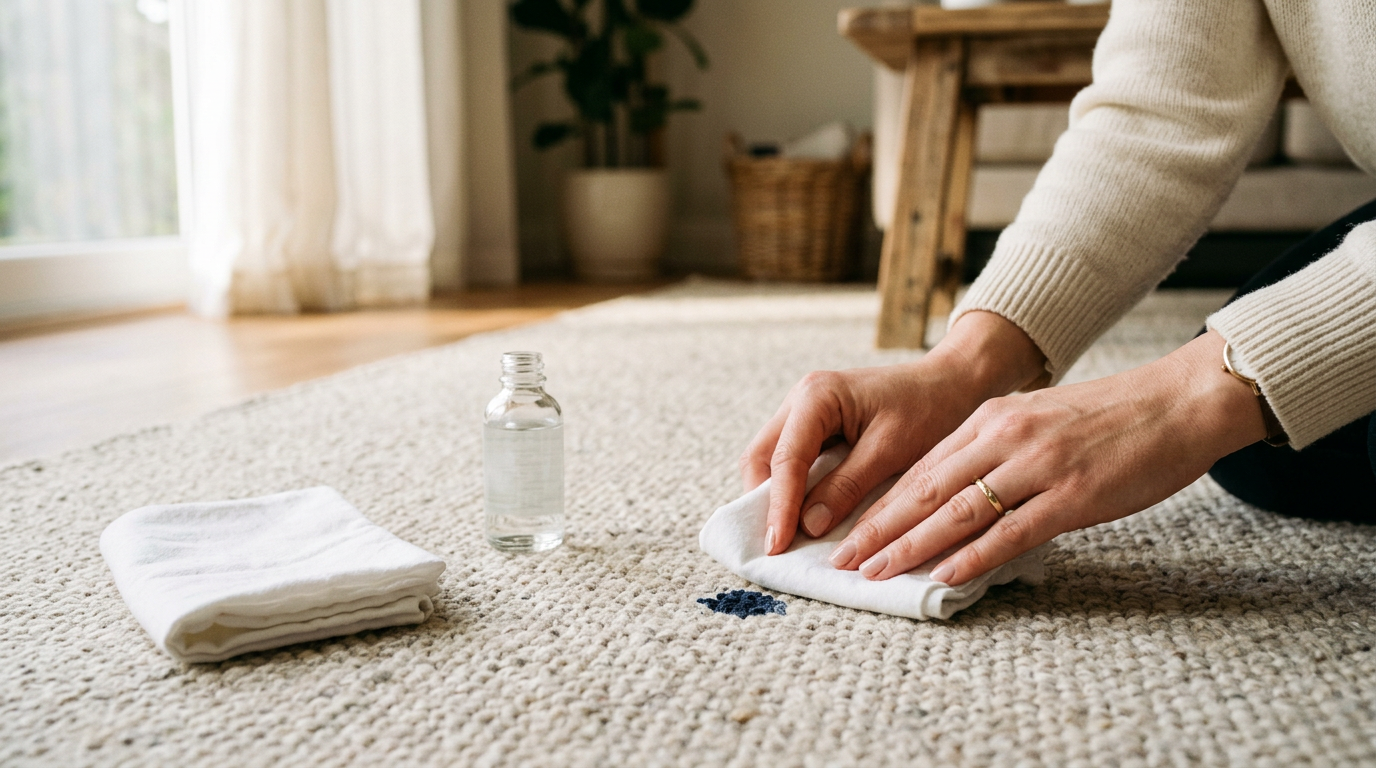
A pen rolls off the desk, the cap is missing, and before you notice it, there is a dark streak pressed into the carpet fibers. It happens quickly, and the first reaction is usually panic. But ink stains on carpet are one of those problems that respond well to a calm, steady approach — provided you understand what you are working with and act without rushing into the wrong method.
The good news is that most ink stains, even ones that have had a little time to settle, can be significantly reduced or completely removed using common household supplies. The key is knowing which type of ink you are dealing with, why certain products work, and in what order to apply them.
Why Ink Is Difficult to Remove from Carpet
Ink is not a single substance. The word covers a wide range of formulations, and each one behaves differently once it contacts carpet fibers. This is the main reason why one method might work beautifully on a ballpoint pen mark and do almost nothing on a marker or printer ink.
Ballpoint pen ink is oil-based. It contains dyes suspended in a thick, slow-drying oil carrier. This is why ballpoint ink smears rather than dries cleanly on smooth surfaces. Once it contacts carpet, the oil binds to the fibers and begins to oxidize, which is the process that makes old ink stains look darker and more fixed over time.
Felt-tip and marker ink, by contrast, is usually water-based or alcohol-based. Water-based inks spread more easily when wet, which is why blotting immediately matters so much. Alcohol-based inks dry faster but are often more responsive to alcohol-based cleaning agents for exactly that reason — like dissolves like.
Printer and copier ink is typically pigment-based and very concentrated. It is designed to bond to surfaces permanently, which makes it one of the harder types to treat on soft furnishings. Even here, though, early treatment makes a real difference.
The First Few Minutes Matter Most
Fresh ink is always easier to deal with than dry ink. When ink is still wet, it has not yet bonded fully to the carpet fibers. Treating it immediately — even imperfectly — is almost always better than waiting for a better moment.
The first thing to do is blot, not rub. Use a clean white cloth or a few layers of white paper towels. Press firmly and lift straight up. The goal is to absorb as much ink as possible before it spreads deeper into the pile. Rubbing at this stage will push the ink sideways and downward, making the stain wider and harder to remove.
Work from the outside edge of the stain toward the center. This prevents the ink from spreading into clean carpet around it. Keep using fresh sections of cloth as each section becomes saturated. Once the cloth is picking up very little ink, move on to the next step.
Do not apply water at this stage, especially with oil-based inks. Water will not dissolve oil-based ink and may cause it to spread in the carpet backing.
Rubbing Alcohol: The Most Reliable Household Solution
Isopropyl alcohol — the kind sold in pharmacies as rubbing alcohol — is the most consistently effective household treatment for ink on carpet. It works on both ballpoint and felt-tip ink, and it is the main active ingredient in many commercial stain removers that are marketed specifically for ink.
The reason it works comes down to chemistry. Ink dyes are often soluble in alcohol, meaning the alcohol molecules can break apart the bonds holding the ink to the carpet fiber. This is the same principle behind why alcohol is used to clean permanent marker off hard surfaces. On carpet, the same process applies, but the porous nature of the fibers means you need to work more patiently.
To use rubbing alcohol on a carpet ink stain, dampen a clean white cloth with the alcohol — do not pour it directly onto the carpet. Apply it to the stained area and blot gently. You should see ink transferring to the cloth almost immediately if the stain is fresh. Continue blotting with fresh sections of cloth, adding more alcohol to the cloth as needed.
Allow the treated area to sit for about two minutes between applications if the stain is large. This gives the alcohol time to penetrate and loosen the ink. Do not scrub. Scrubbing breaks carpet fibers and can permanently damage the texture of the pile.
Once the ink has lifted as much as possible, blot the area with cold water to remove any alcohol residue, then press a dry towel over it and let it dry completely. Leaving alcohol in carpet fibers for extended periods can affect some dyes, so rinsing it out is a sensible final step.
Dish Soap and Cold Water: The Gentle Follow-Up
After the main ink has been lifted with alcohol, a small residual shadow of the stain often remains. A simple solution of liquid dish soap and cold water handles this well. Dish soap is a surfactant — it reduces the surface tension of water and helps lift oil-based residue that the alcohol loosened but did not fully remove.
Mix one teaspoon of clear or white dish soap into one cup of cold water. Apply this mixture to the stained area using a clean cloth, blotting gently in the same patient way as before. The soap will foam slightly as it works. Rinse thoroughly with cold water and blot dry.
Always use cold water for ink stains. Hot water can set some ink dyes into the fibers more deeply, working against everything you have done. Cold water keeps the fibers slightly contracted, which actually makes it easier to lift residue out.
Hairspray: An Old Standby That Still Has a Place
Older households often relied on hairspray to treat ink stains, and for a long time this worked very well. The reason was not the hairspray itself exactly — it was the high alcohol content that most aerosol hairsprays contained. Early hairspray formulas were loaded with isopropyl or ethyl alcohol, which made them effective for the same reason rubbing alcohol works.
Modern hairsprays have changed considerably. Many current formulas contain significantly less alcohol and more conditioning agents, polymers, and moisturizers. This means that a can of hairspray from a modern bathroom cabinet may do very little to an ink stain compared to what the same product did thirty years ago.
If you have rubbing alcohol available, use it instead. It is more predictable and more concentrated. Hairspray is a reasonable backup if alcohol is not on hand, and it may still help with lighter stains — but do not rely on it as a primary method for anything more than a faint mark.
Hydrogen Peroxide for Light-Colored Carpets
Three percent hydrogen peroxide, the kind sold in pharmacies as a mild antiseptic, can be effective on ink stains in light-colored or cream-colored carpets. It works as a mild bleaching agent, breaking down the color compounds in the ink through oxidation.
This is worth understanding clearly. Hydrogen peroxide does not remove the ink molecule — it breaks apart the chemical structure responsible for the ink's color. This is why it can appear to make a stain vanish even when trace residue remains. It is dissolving the color, not the substance entirely.
Because of this bleaching action, hydrogen peroxide should never be used on dark or richly colored carpets. Even diluted, it can strip pigment from carpet dyes and leave a permanent light patch that is more obvious than the original ink stain.
On appropriate carpets, apply a small amount to a cloth and blot the stained area. Let it sit for three to five minutes, then blot with cold water and dry thoroughly. Always test a hidden area first — a corner under a piece of furniture — to check that the carpet color is stable before treating a visible area.
Milk: A Traditional Method With Real Logic Behind It
Soaking an ink-stained item in milk is a remedy that appears in many old household reference books, and it is not purely folklore. Milk contains casein, a protein that can bind to certain ink pigments and help lift them from fibers. It also has a slightly acidic quality that can work on water-based inks.
For carpet, the application is more limited than it would be for a piece of clothing that can be soaked fully. But warm milk dabbed onto a fresh ink stain and allowed to sit for ten to fifteen minutes before blotting has been reported to produce reasonable results on lighter ink marks, particularly from felt-tip pens.
The practical drawback is that milk must be cleaned from the carpet thoroughly afterward. Any milk residue left in carpet fibers will sour as it dries, creating an unpleasant smell and potentially attracting insects. Rinse the area well with cold water and blot until completely dry. On balance, rubbing alcohol is a more practical first choice, but milk is a genuine alternative when nothing else is available.
Dried and Set Ink Stains
A stain that has been sitting for several hours or longer is more challenging. The ink has bonded more deeply with the fibers and the oil or dye has oxidized. This does not make removal impossible, but it does require more patience and often more applications.
Start by gently scraping any hardened or crusty residue from the surface of the carpet using the edge of a butter knife or a stiff card. Do this carefully and without pressing down into the pile. This step removes surface material that would otherwise re-dissolve and spread during treatment.
Then apply rubbing alcohol as described above, but allow each application to sit for three to four minutes before blotting. You may need five or six rounds of application before the stain stops transferring to the cloth. Be patient. Rushing will not make it go faster, and pressing too hard may damage the carpet texture.
After the alcohol treatment, follow up with the dish soap and water method. For older stains, a second round of the soap solution the following day often helps lift what the first round loosened but did not fully remove. Carpet fibers sometimes release residue more easily once they have been treated and allowed to dry once.
What to Avoid
Some approaches that seem logical can actually make an ink stain worse or cause permanent damage to the carpet.
- Do not rub or scrub at any stage. Always blot with a lifting motion.
- Do not use hot water. It can set ink dyes and shrink carpet fibers.
- Do not apply bleach to colored carpets, even diluted. It will remove the carpet's own color along with the stain.
- Do not pour any liquid directly onto the carpet in large amounts. Soaking the backing can cause mold to form beneath the surface, which creates a much larger problem than the ink stain.
- Do not layer multiple cleaning products at once without rinsing between them. Some combinations — such as vinegar and hydrogen peroxide — can produce unwanted reactions on certain fibers.
Caring for the Carpet After Treatment
Once the stain has been treated and the area is drying, lay a clean dry towel over it and press down gently with your hands or place a heavy book on top. This helps draw remaining moisture up into the towel rather than allowing it to sink back into the carpet backing.
Allow the area to dry completely before walking on it or replacing any furniture. Damp carpet fibers are more vulnerable to picking up dirt and re-staining. Once dry, use the edge of a spoon or a soft brush to gently restore the pile direction if the fibers have been flattened during treatment.
In most homes, natural airflow and room temperature are enough to dry a treated spot within a few hours. Avoid using a hairdryer on high heat, as this can set any remaining residue. A cool or low heat setting at a distance is acceptable if you need to speed up the process.
Regular vacuuming of the treated area over the following week also helps restore the texture and ensures that any final loosened residue is removed before it can settle again.
Related articles
Grandma Knows: How to Remove Tomato Sauce from Clothing
Tomato sauce stains are vivid and quick to set. Learn the right sequence of treatments to remove tomato stains from clothing before they become permanent.
Grandma Knows: How to Remove Grass Stains from Clothes
Grass stains on clothes are stubborn but very treatable. Learn the household methods that break down chlorophyll and get fabric clean again.
Grandma Knows: How to Remove Grease from Clothes
Grease stains on clothes are tricky but not impossible. Discover proven household methods using baking soda, dish soap, and patience.