
Grandma Knows: How to Remove Coffee Stains from Carpet
Spilled coffee on the carpet? Learn practical, time-tested methods to remove coffee stains completely using simple household ingredients.
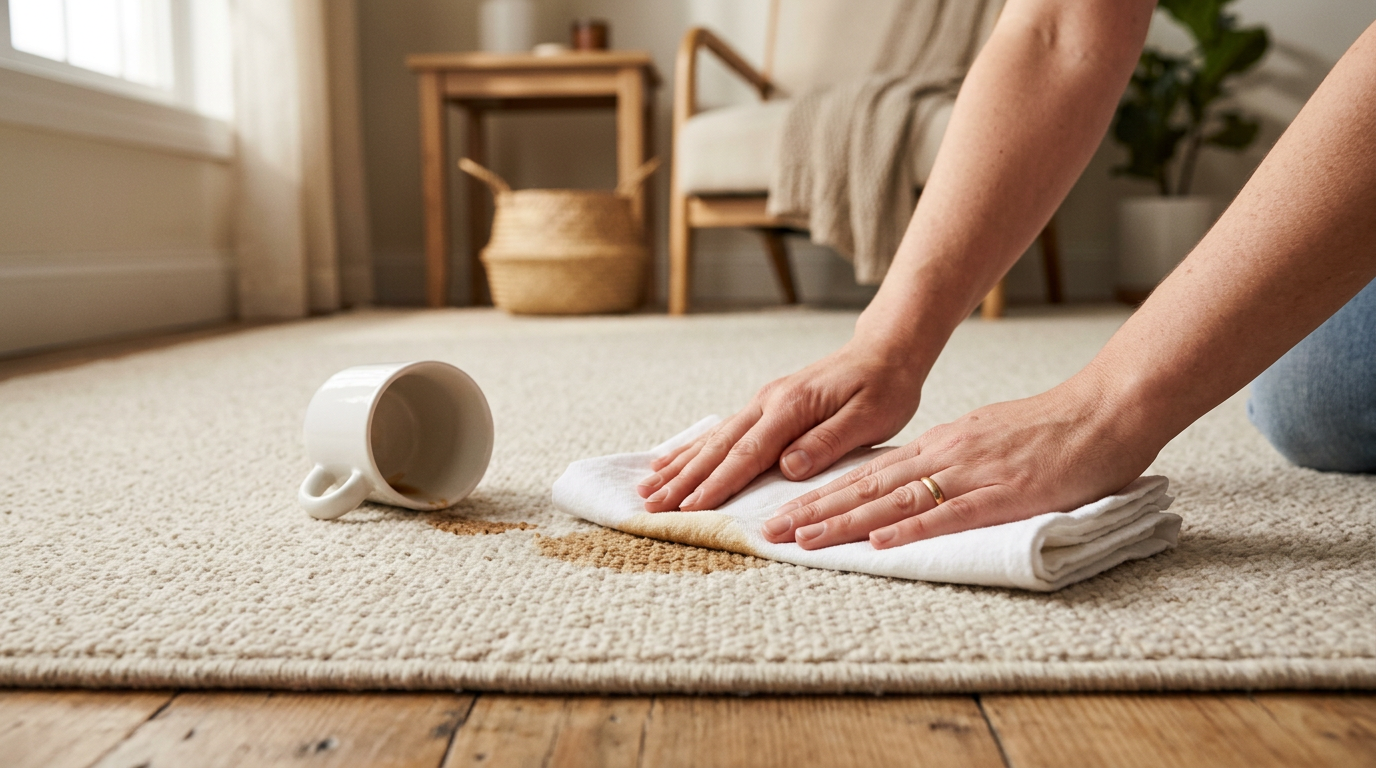
A cup of coffee tips over, and before you can do anything, a dark brown puddle is spreading across the carpet. It happens in an instant — maybe someone bumped the side table, maybe the morning rush made things chaotic, or maybe the cat decided to investigate. Whatever the reason, the result is the same: a stain that, if left alone, will settle in and become much harder to deal with later.
The good news is that coffee stains on carpet are very manageable, especially when you act quickly and use the right approach. The methods that work best are not complicated. Most of them rely on ingredients that are already sitting in your kitchen cabinet. Understanding why they work will help you use them more confidently and get better results.
Why Coffee Stains Are Stubborn
Coffee contains compounds called tannins. Tannins are naturally occurring plant-based substances that give coffee its dark color and bitter taste. When coffee soaks into carpet fibers, the tannins begin to bind with the fibers almost immediately. The longer they stay wet and warm, the deeper that bond becomes.
This is why a spill you clean up within two or three minutes is almost always easier to remove than one you find an hour later. Heat also plays a role — hot coffee penetrates deeper and faster than cold brew or iced coffee would.
Carpet fibers are also slightly porous, which means the liquid doesn't just sit on the surface. It travels down into the pile, and in thicker or looped carpets, it can even reach the backing underneath. That's why blotting technique matters just as much as the cleaning solution you use.
The First Thing You Should Do
Before you reach for any cleaning product, the most important step is to remove as much of the liquid as possible. If the spill just happened, grab a clean white cloth or a stack of paper towels and blot — don't rub. Press firmly down into the stain and lift straight up. Move to a clean section of the cloth and repeat.
Rubbing a fresh spill is one of the most common mistakes people make. It feels like you're doing more, but what it actually does is push the coffee deeper into the fibers and spread the stain outward. Blotting pulls the liquid up and out.
Work from the outside edge of the spill toward the center. This prevents the stain from spreading as you press into it. Keep blotting until you've absorbed as much coffee as the cloth will pick up. At this point, the carpet will still be damp and lightly stained, but the bulk of the liquid is gone. Now you're ready to treat what remains.
Cold Water and Dish Soap: The Everyday Starting Point
For a fresh stain that you've already blotted well, plain cold water and a small amount of liquid dish soap will often do the job completely. Mix about one cup of cold water with half a teaspoon of mild dish soap. Use a spoon to stir it gently — you don't want a lot of foam, just enough to create a light, soapy solution.
Apply a small amount to the stained area using a clean cloth. Again, blot rather than scrub. The soap works by surrounding the tannin molecules and loosening their hold on the carpet fibers. Cold water is important here because warm or hot water can actually set the stain further, just like it does with blood.
After treating with the soapy solution, rinse the area with plain cold water to remove any soap residue. Leftover soap in carpet fibers attracts dirt over time and can make the area look dingy even after the stain is gone. Blot the area dry with a clean towel and let it air dry completely.
White Vinegar: Why It Works and When to Use It
White vinegar is one of the most practical cleaning tools in the household, and it's especially useful for coffee stains. The reason it works comes down to chemistry. Coffee is slightly acidic, and so is vinegar — but vinegar's mild acidity actually helps break down the tannin compounds and lift them away from the carpet fibers. It also helps neutralize any lingering odor, which can be noticeable once a coffee stain dries.
A reliable mixture is one part white vinegar to two parts cold water. Apply it directly to the stain with a clean cloth and blot steadily. You may notice the stain beginning to transfer onto the cloth after a minute or two of work. That's a good sign.
Some people add a small amount of dish soap to this vinegar mixture for extra lifting power. That combination works well on stains that have had a chance to dry slightly before you got to them. Apply, blot, rinse with cold water, and blot dry.
One thing to be aware of: vinegar has a strong smell that fades as it dries. If the odor bothers you, the carpet will smell normal again once it's fully dried. You can also sprinkle a little baking soda over the area after it dries to absorb any remaining scent.
Baking Soda: For Drying, Deodorizing, and Older Stains
Baking soda doesn't dissolve stains the way soap or vinegar does, but it plays a different and genuinely useful role. It's a natural absorbent, which makes it helpful in two specific situations: immediately after a spill, and after you've treated a stain with a liquid solution.
If you're dealing with a fresh spill and don't have time to do a full cleaning right away, blot up the liquid first, then pour a generous layer of baking soda over the damp area. Leave it for fifteen to twenty minutes. The baking soda will pull moisture up out of the fibers, which slows the staining process. Vacuum it up before you move on to a wet treatment.
After you've cleaned a stain with vinegar or dish soap and the area is still slightly damp, sprinkling baking soda over it and letting it sit for a few hours before vacuuming is a good finishing step. It helps absorb any residual moisture and keeps the carpet from smelling musty while it dries.
For older, dried coffee stains, try making a paste with baking soda and a small amount of cold water. Spread it over the stain, let it sit for about thirty minutes, and then vacuum it up. Follow with the vinegar and water solution. This combination works by first loosening the dried residue and then lifting it away.
Dealing with Stains That Have Already Dried
A dried coffee stain requires a bit more patience, but it's not a lost cause. The key is to rehydrate the stain before trying to remove it. Dried tannins have hardened into the fibers, and trying to lift them while they're still dry won't accomplish much.
Start by dampening the area with cold water. Let it sit for a few minutes so the fibers can absorb the moisture and the dried coffee residue can begin to soften. Then apply your cleaning solution — the vinegar and dish soap mixture works well here — and blot repeatedly with a clean cloth.
You may need to repeat this process two or three times for a stain that's been sitting for a day or more. Between rounds, blot the area as dry as you can before re-applying the solution. Patience matters more than pressure. Scrubbing harder doesn't speed things up; it just damages the carpet fibers.
For very stubborn dried stains, some people have good results with a small amount of hydrogen peroxide. Use a 3% solution — the kind sold in drugstores — and test it on a hidden area of the carpet first. Hydrogen peroxide can lighten some carpet colors, so this is not a step to skip. If the color holds, apply a small amount directly to the stain, let it sit for about five minutes, and blot clean. Rinse with cold water.
Variations That Come Up in Everyday Life
Coffee with Milk or Cream
Coffee with milk or cream leaves behind more than just tannins. The milk proteins can also bond to carpet fibers and begin to smell unpleasant as they break down. The same blot-and-clean approach applies, but dish soap becomes more important here because it's designed to cut through protein-based residues. Make sure you rinse thoroughly, as any remaining milk residue will continue to odorize the carpet even after it looks clean.
Coffee with Sugar
Sugary coffee spills get sticky as they dry, which can cause dirt to stick to the area even after you think it's clean. Cold water is your friend here — sugar dissolves easily in water, so rinsing well is the most important step. Blot, rinse, blot again, and check that the area doesn't feel tacky once it's dry.
Spills on Light-Colored Carpet
Light or white carpet shows coffee stains most dramatically, but the treatment method is the same. The only difference is that you need to be more careful about using hydrogen peroxide or any other solution that could affect the color. Always test on an inconspicuous corner first. On light carpet, the vinegar and cold water solution is often the safest and most reliable choice.
Thick or Looped Pile Carpet
Thicker carpets absorb more liquid and hold it deeper in the fibers. After blotting the surface, you may want to press a dry folded towel firmly onto the area and stand on it for a minute or two to draw more moisture up from deeper in the pile. This extra step makes a real difference before applying your cleaning solution.
Drying the Area Properly
After cleaning, drying the carpet correctly is just as important as the cleaning itself. A carpet that stays damp for too long can develop a musty smell or, in some cases, mold beneath the surface — especially if it's sitting on a pad or underlay that also got wet.
Blot up as much moisture as you can with dry towels. Then let the area air dry with good airflow. Opening a window nearby or placing a small fan directed at the area speeds up drying significantly. Avoid walking on the damp section until it's fully dry, as foot traffic can push moisture back down into the fibers and flatten the pile.
Once the carpet is completely dry, you can run a vacuum over the treated area to restore the texture of the fibers and pick up any remaining baking soda residue.
When Home Methods Reach Their Limit
Most fresh to moderately dried coffee stains will respond well to the methods described here. But there are situations where home treatment isn't enough. A very old stain — one that has been repeatedly walked on or has had other substances spilled over it — may have bonded so deeply with the fibers that surface cleaning can't fully reach it. Similarly, certain carpet materials, such as wool or silk, are more delicate and may not respond well to vinegar or hydrogen peroxide without professional guidance.
If you've tried a method two or three times and the stain isn't improving, or if the carpet is an expensive or delicate material, it's worth consulting a professional carpet cleaner. They have access to enzyme-based treatments that break down organic stains at a deeper level than household solutions can reach. Knowing when to stop and call in help is just as practical as knowing how to handle things yourself.
Related articles
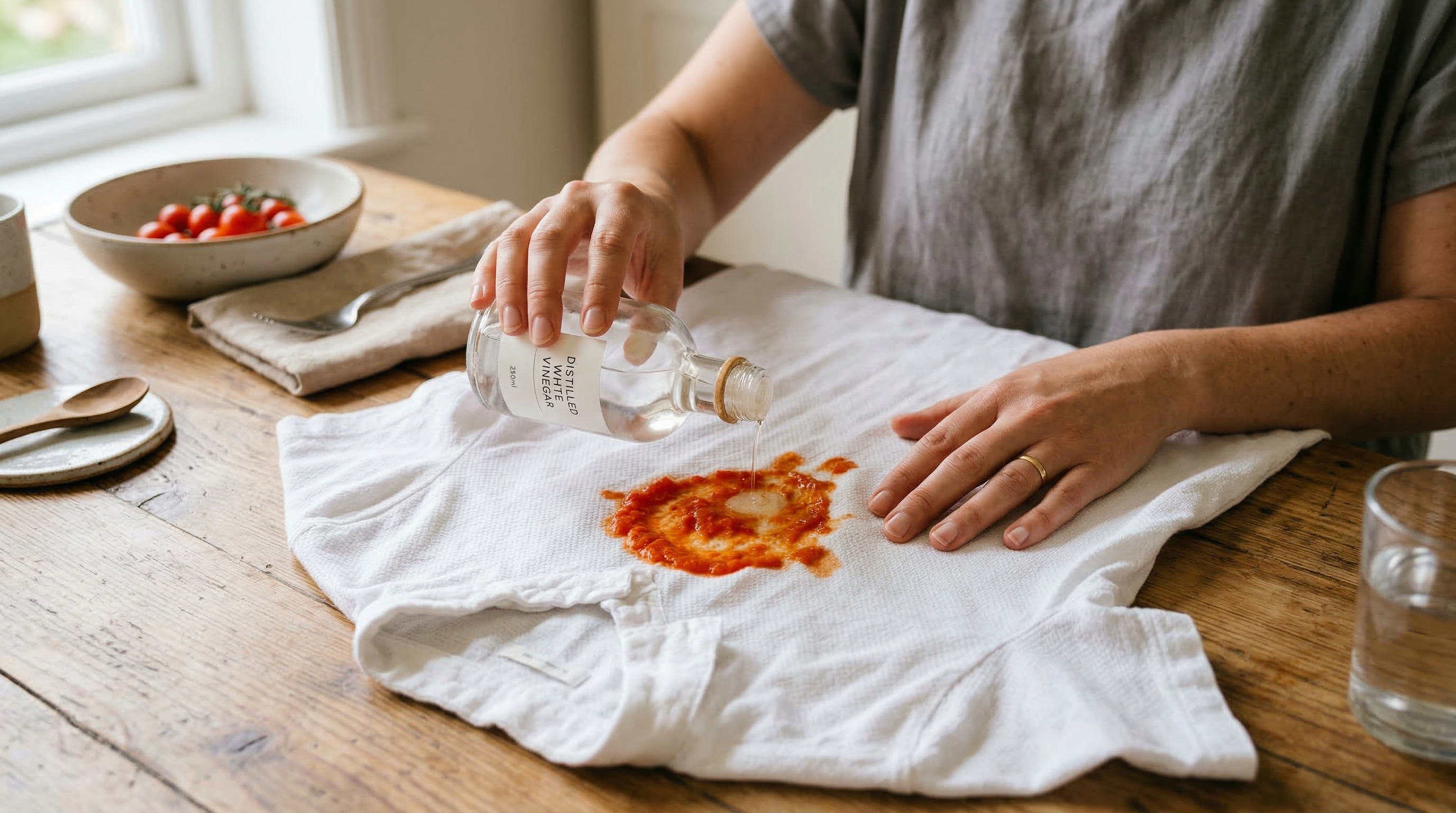
Grandma Knows: How to Remove Tomato Sauce from Clothing
Tomato sauce stains are vivid and quick to set. Learn the right sequence of treatments to remove tomato stains from clothing before they become permanent.
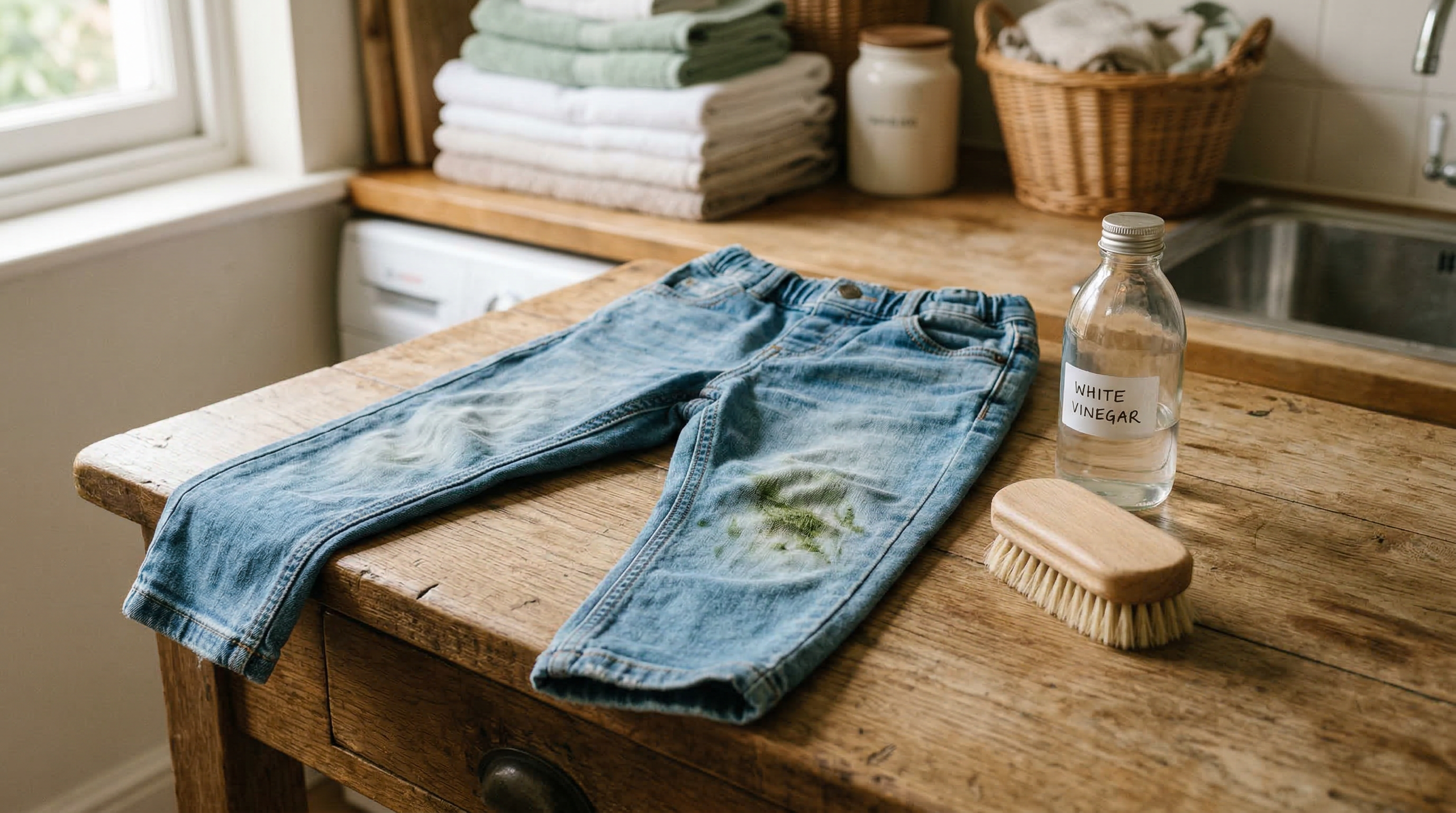
Grandma Knows: How to Remove Grass Stains from Clothes
Grass stains on clothes are stubborn but very treatable. Learn the household methods that break down chlorophyll and get fabric clean again.
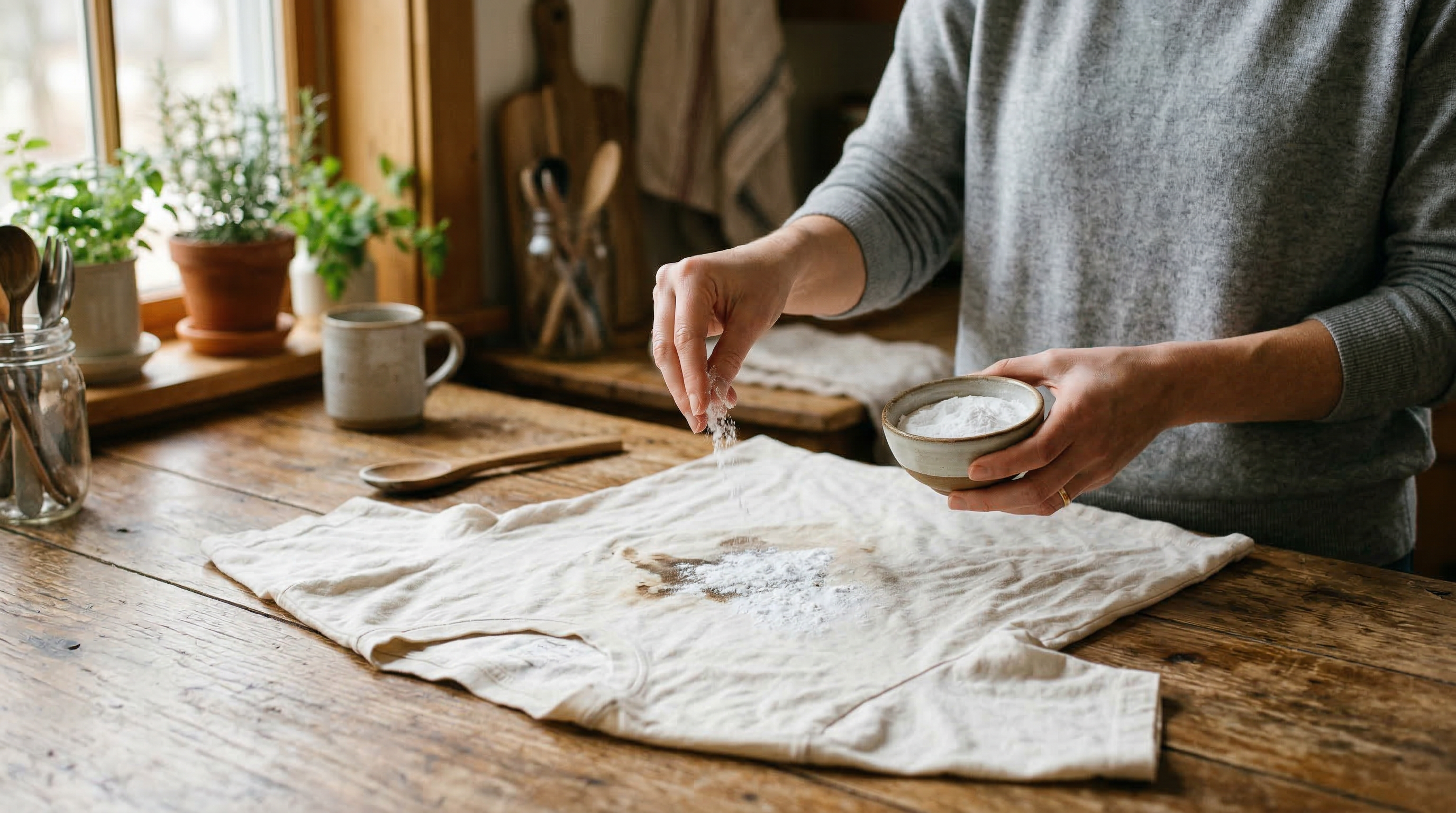
Grandma Knows: How to Remove Grease from Clothes
Grease stains on clothes are tricky but not impossible. Discover proven household methods using baking soda, dish soap, and patience.