
Grandma Knows: How to Remove Chocolate from Carpet
Chocolate on the carpet? Learn practical, proven methods to lift the stain completely using simple household items you already have at home.
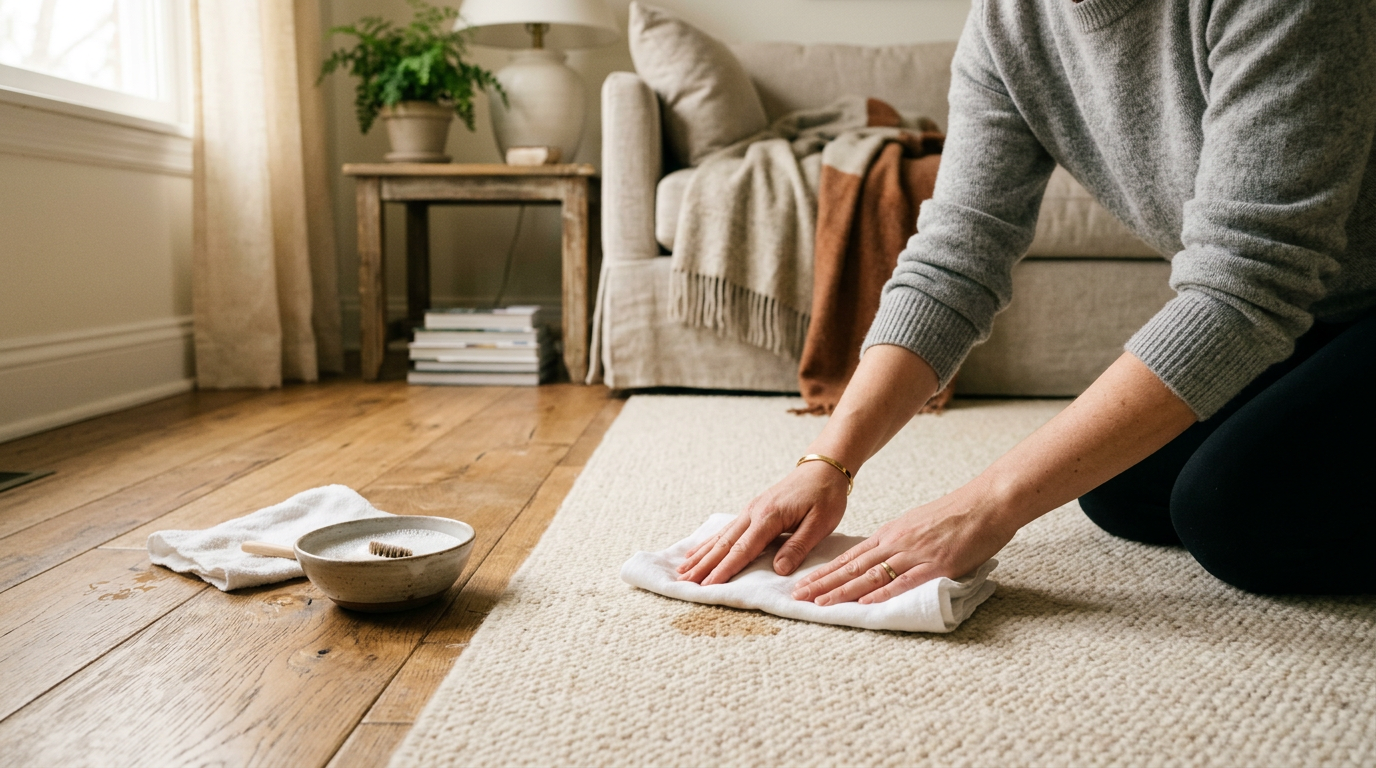
It happens in an ordinary moment. Someone is eating a chocolate bar on the sofa, a piece drops, and before anyone notices, it has been stepped on and pressed into the carpet. Or a mug of hot cocoa tips over during a busy morning. Or a child comes inside from the heat with melted chocolate on their hands and touches the rug before you can stop them.
Chocolate on carpet is one of those stains that seems worse than it is — but only if you handle it the right way. Handle it the wrong way, and it can set into the fibers and become genuinely difficult to remove. The good news is that with a calm approach and a few basic household items, most chocolate stains can be lifted completely.
This article walks through exactly how to do that, why each step matters, and what to do when the basic approach is not quite enough.
Why Chocolate Stains Are Different from Most Others
Before reaching for any cleaner, it helps to understand what you are actually dealing with. Chocolate is not a single substance — it is a mixture of cocoa solids, cocoa butter or vegetable fat, sugar, and usually milk solids. Each of these components behaves differently when it contacts carpet fibers.
The fat content is the main reason chocolate stains resist plain water. Fats do not dissolve in water. When you pour water directly onto a chocolate stain without any kind of soap or solvent, you are essentially moving the chocolate around without removing it. The sugar dissolves readily, but the oils and cocoa particles stay put and can spread further into the carpet backing.
The cocoa solids themselves contain tannins — the same compounds that make tea and red wine stain so stubbornly. Tannins bind to fibers and become harder to remove as they dry and oxidize. This is why fresh stains are always easier to treat than old ones.
Heat also plays an important role. Warmth softens chocolate and allows it to spread deeper into carpet fibers. This is why rubbing a fresh chocolate spill is one of the worst things you can do — friction generates heat and pushes the chocolate further down into the pile.
The First Step: Get the Temperature Right
The instinct when something spills is to act fast and scrub. With chocolate, fast is good — but scrubbing is not. And hot water, which many people reach for automatically, will make things worse by melting the chocolate and driving it deeper.
The first thing to do is cool the stain down.
If the chocolate is still soft or warm — from a hot drink, from being carried in a warm hand, or simply because the room is warm — apply a few ice cubes in a thin cloth or a sealed plastic bag to the area for a minute or two. This firms up the chocolate so it can be lifted rather than smeared.
Once the chocolate is firm, use the edge of a dull knife, a spoon, or even a credit card to scrape it gently upward from the carpet fibers. Always work from the outside of the stain inward. Starting from the center and pulling outward will drag chocolate into clean carpet.
Pick up the scraped pieces with a paper towel or dry cloth. Do not press down hard. The goal is removal, not absorption.
The Cleaning Solution: Dish Soap and Cold Water
Once you have removed as much of the solid chocolate as possible, the remaining stain needs a cleaning solution that can break down both the fat and the tannin components.
Plain dish soap is surprisingly effective here. It is formulated specifically to cut through grease and fat on dishes, and that same chemistry works on carpet fibers. A small amount goes a long way.
Mix one teaspoon of mild dish soap — the plain liquid kind, not one with added bleach or heavy-duty degreasers — into two cups of cold water. Stir it gently so it combines without creating excessive foam.
Dip a clean white cloth into the solution and apply it to the stain by blotting, not rubbing. Press the cloth down firmly, hold for a few seconds, and lift. You should see chocolate color transferring to the cloth. Keep turning the cloth to a clean section as it picks up the stain, and keep blotting.
Use a white cloth whenever possible. Colored cloths can transfer dye to damp carpet fibers, which creates a second problem you do not need.
After several rounds of blotting with the soapy solution, rinse the area by blotting with a clean cloth dampened in plain cold water. This removes the soap residue, which matters because soap left in carpet fibers attracts dirt and can cause the area to look dingy within a few days.
Press a dry towel firmly onto the area and weight it down with a heavy book for ten to fifteen minutes to draw out remaining moisture. Then allow the carpet to air dry completely.
When Dish Soap Is Not Enough: Adding Baking Soda
Some stains — particularly those that have had time to dry before being treated — need a bit more help. Baking soda is useful here, not because it is a powerful cleaning agent, but because it helps absorb oils and odors from the carpet fibers before you apply liquid.
If you are dealing with a dried chocolate stain, begin by sprinkling a modest amount of baking soda over the affected area and letting it sit for fifteen to twenty minutes. The baking soda draws some of the fat to the surface of the fibers, making it slightly easier to remove with the dish soap solution that follows.
After the baking soda has had time to work, vacuum it up gently — use a low-suction setting if possible, or just the hose attachment without pressing hard into the carpet. Then proceed with the dish soap and cold water method described above.
Baking soda also serves a second purpose: it neutralizes any sour or musty smell that chocolate can leave behind, particularly in milk chocolate or hot cocoa stains where dairy is involved.
For Stubborn Stains: Enzyme-Based Cleaners
Sometimes a stain has been sitting for hours or has already dried and gone unnoticed for a day or two. In those cases, a slightly stronger approach is needed.
Enzyme-based laundry stain removers — the kind sold in most grocery stores — work by breaking down the protein and fat molecules in the stain at a chemical level. Because milk chocolate contains milk solids, which are protein-based, enzyme cleaners are particularly well suited to chocolate stains on carpet.
Apply a small amount directly to the stain and allow it to sit for the time indicated on the product label, usually five to ten minutes. Then blot with a clean cloth and follow up with the cold-water rinse described earlier.
The important thing with enzyme cleaners is not to rush. The product needs time to work. Blotting too quickly, before the enzymes have done their job, reduces the result significantly.
Also worth knowing: enzyme cleaners are not effective on very old, fully set stains that have already oxidized deeply into the fiber. At that point, the protein structures the enzymes target have already broken down and bonded with the fiber in a different way. An enzyme cleaner will still help, but it may not remove the stain completely.
Dealing with Specific Carpet Types
Most household carpets are made from synthetic fibers — nylon, polyester, or olefin. These respond well to the dish soap method and to enzyme cleaners. They are relatively forgiving, and with prompt treatment, chocolate stains usually come out fully.
Wool carpets require more care. Wool fibers are delicate and can be damaged by alkaline products, including baking soda used in large amounts. They also take longer to dry. For wool, use a small amount of dish soap diluted in more water, blot very gently, and be patient. Avoid rubbing under any circumstances, as wool fibers felt and mat easily when wet and agitated.
Berber-style loop carpets are a different challenge. The loops can snag if you are not careful with a cloth. Use a very soft cloth and dab rather than wipe to avoid pulling at the fibers.
Light-colored carpets show chocolate stains most clearly, but they also show when the stain has been fully removed. Dark carpets can mask a stain that is still partially present, which is easy to miss until it attracts dirt and becomes visible again later.
The Mistake People Make Most Often
The single most common mistake when treating a chocolate stain — or really any stain — is using hot water. It seems logical. Hot water dissolves things, right? But with chocolate, the fat and protein components respond to heat by binding more strongly to fibers. Hot water sets the stain rather than removing it.
The second most common mistake is rubbing. Rubbing spreads the stain outward, presses it deeper, and can damage the texture of the carpet pile permanently.
The third mistake is using too much water. Over-wetting carpet is a real problem. Excess moisture soaks into the backing and the padding underneath, where it can breed mold or cause the backing to separate. Use only as much liquid as needed, and always dry the area thoroughly afterward.
When the Stain Has Already Dried
If the chocolate has dried completely before you treat it, do not try to scrape it off dry. Dried chocolate crumbles and can drive particles deeper into the carpet. Instead, apply a small amount of cold water to re-hydrate the stain slightly — just enough to soften it — and then scrape carefully with a blunt edge.
After scraping, proceed with the baking soda pre-treatment if the stain appears oily, then move to the dish soap solution. You may need to repeat the process two or three times on a fully dried stain before the carpet is fully clean. Patience matters more than intensity here.
Finishing the Job Properly
Once the stain has been treated and the carpet is dry, take a moment to check the area in good lighting — ideally with light coming from the side, which shows residue better than overhead lighting. If there is any remaining discoloration, repeat the dish soap treatment.
After the area is completely dry, vacuum over it to restore the texture of the carpet pile. Cleaning and blotting can flatten the fibers, and a gentle vacuuming brings them back up.
If the spot looks clean immediately after treatment but a faint mark reappears once the carpet is fully dry, this is often a result of wicking — moisture from deeper in the carpet padding has drawn remaining residue back up to the surface as it dried. In this case, repeat the dish soap treatment, this time being careful not to over-wet the carpet, and weight the dry towel down firmly to draw moisture upward before it can wick back.
Chocolate on carpet is a manageable problem. It only becomes a permanent one when it is treated with heat, rubbed in a hurry, or left too long without attention. With the right approach — cool temperatures, gentle scraping, dish soap solution, patient blotting — even a significant chocolate spill can be removed without a trace.
Related articles
Grandma Knows: How to Remove Tomato Sauce from Clothing
Tomato sauce stains are vivid and quick to set. Learn the right sequence of treatments to remove tomato stains from clothing before they become permanent.
Grandma Knows: How to Remove Grass Stains from Clothes
Grass stains on clothes are stubborn but very treatable. Learn the household methods that break down chlorophyll and get fabric clean again.
Grandma Knows: How to Remove Grease from Clothes
Grease stains on clothes are tricky but not impossible. Discover proven household methods using baking soda, dish soap, and patience.