
Grandma Knows: How to Remove Blood from Sofa Fabric
Blood on your sofa? Learn practical, proven methods to remove blood stains from fabric using cold water, salt, and baking soda.
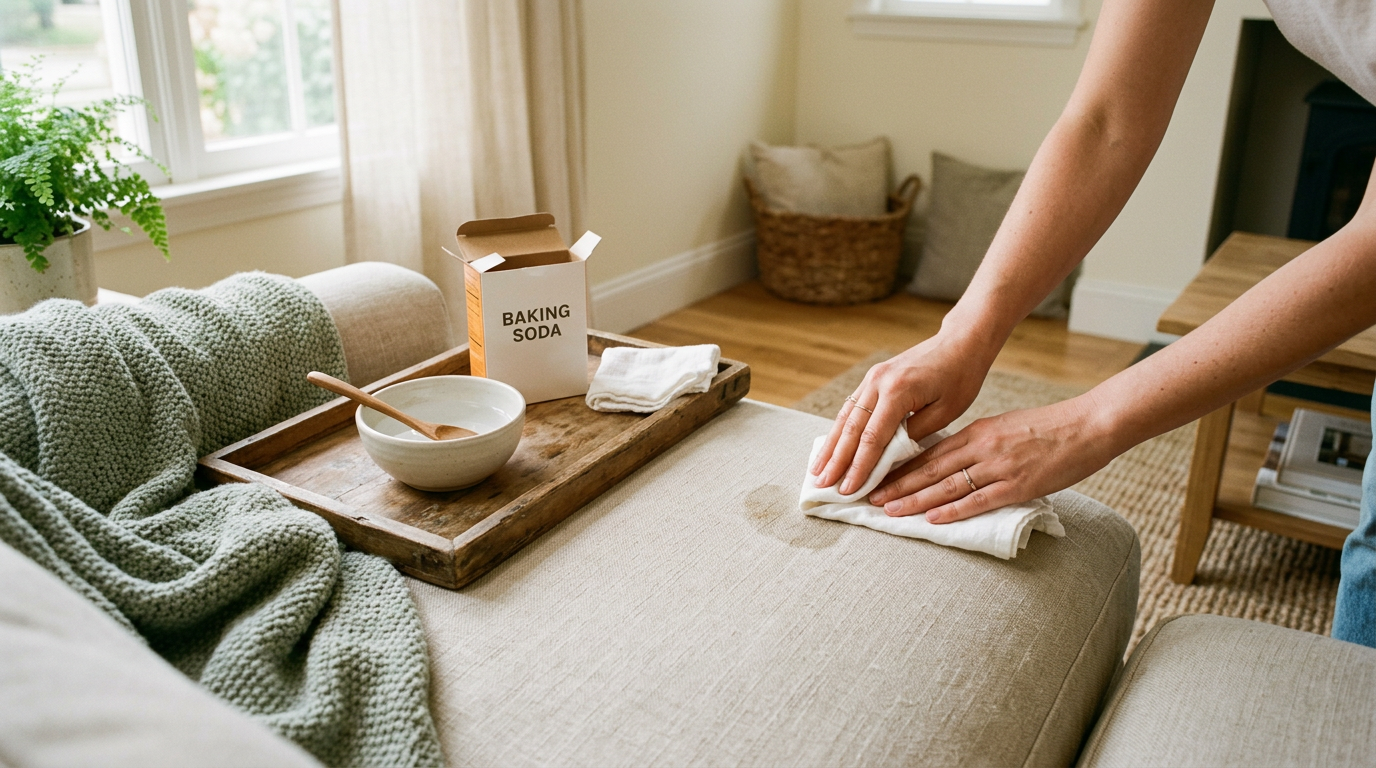
It happens in ordinary home life more often than people expect. A scraped knee, a small cut while carrying something through the living room, a child's nosebleed that doesn't quite make it to the bathroom in time. Suddenly there's a blood stain on the sofa, and the first reaction is usually panic.
That panic is understandable, but it isn't helpful. Blood stains on fabric respond well to the right treatment — and they respond very poorly to the wrong one. The difference between a stain that comes out completely and one that sets permanently often comes down to what you do in the first few minutes, and which cleaning approach you choose.
This guide walks through everything you need to know: why blood behaves the way it does on fabric, which household materials actually work, and how to handle both fresh and dried stains step by step.
Why Blood Stains Are Different from Other Stains
Most household stains — coffee, juice, mud — are relatively straightforward to treat because they don't change chemically once they land on fabric. Blood is different. It contains proteins, and those proteins react to heat and certain chemicals in a way that makes the stain much harder to remove.
When blood is exposed to warm or hot water, the proteins in it begin to coagulate. This is the same process that happens when you cook an egg — the proteins tighten and bond together, and in this case, they bond to the fabric fibers as well. Once that happens, the stain becomes significantly more difficult to lift. It essentially becomes embedded in the weave of the material.
This is why cold water is not just a suggestion — it's the most important rule when dealing with blood on fabric. Every method that works starts with cold water. Every method that fails usually involves heat at the wrong stage.
The second reason blood stains are tricky is that sofas often have fabric that can't be submerged or heavily soaked. Unlike a clothing item you can drop into a sink, a sofa cushion has padding, structure, and sometimes non-removable upholstery. That limits how aggressively you can treat it, and it means the method needs to draw the stain outward rather than simply washing it away.
What You Have at Home That Actually Works
You don't need specialty stain removers for this. A few common household items are genuinely effective against blood stains on fabric, and most people already have them in their kitchen or bathroom.
Cold Water
Plain cold water is the most important tool you have. It won't remove the stain on its own, but it stops the stain from setting deeper into the fibers and it carries dissolved blood away from the fabric when used correctly. Always start here, regardless of which other method you plan to use.
Salt
Salt works as an abrasive and draws moisture — along with the dissolved blood — upward out of the fabric through osmosis. When you pour salt onto a damp blood stain, it pulls the liquid toward itself as it dissolves. This makes it particularly useful in the first few minutes after a stain occurs. Table salt works fine; you don't need anything coarser.
Dish Soap
A small amount of plain liquid dish soap — the kind you use for hand-washing dishes — helps break the surface tension of the stain and lifts the proteins from the fabric fibers. It's gentle enough not to damage most upholstery but effective enough to make a real difference. Avoid dish soaps with added moisturizers or bleaching agents, as those can affect fabric color.
Baking Soda
Baking soda is mildly alkaline, and blood is slightly acidic. When you apply a baking soda paste to a blood stain, the chemistry works in your favor — the alkaline paste helps break down the proteins and loosen the stain's bond with the fabric. It also has a gentle abrasive quality that helps lift material from the surface without damaging fibers.
Hydrogen Peroxide
Hydrogen peroxide — the standard 3% solution sold in pharmacies — reacts with blood in a way that physically breaks it apart. The foaming reaction you see when it contacts blood is the peroxide oxidizing the proteins, which loosens the stain. It's highly effective but must be used with caution on colored or darker fabrics, as it can cause lightening. Always test it on a hidden area of the sofa first.
White Vinegar
White vinegar is less aggressive than hydrogen peroxide but still useful, especially on colored fabrics where bleaching is a concern. Its mild acidity helps dissolve dried blood and deodorizes the area at the same time. It won't foam dramatically, but it works steadily when given time to sit.
Treating a Fresh Blood Stain
Speed matters more than anything with a fresh stain. The longer blood sits on fabric — especially if it dries or if someone tries to rub it — the harder removal becomes. Here is a reliable approach for a stain that is still wet or only a few minutes old.
Step One: Blot, Don't Rub
Take a clean cloth — a white one is ideal so you can see what's lifting — and press it firmly onto the stain. Lift straight up, then press again. You are pulling blood up into the cloth, not spreading it across the sofa. Rubbing at this stage pushes the blood deeper into the fabric weave and makes the problem worse. Work from the outer edge of the stain toward the center to prevent spreading.
Step Two: Apply Cold Water
Dampen a fresh cloth or sponge with cold water and gently work it into the stain, again using a pressing and lifting motion. You'll see the cloth picking up diluted blood. Rinse the cloth and repeat. The goal here is to dilute and lift as much of the blood as possible before applying any other treatment.
Step Three: Apply Salt or Baking Soda Paste
If cold water alone isn't clearing the stain, pour a small mound of table salt directly onto the damp area and let it sit for five to ten minutes. The salt will begin drawing the remaining blood upward. Alternatively, mix two tablespoons of baking soda with one tablespoon of cold water to form a paste and apply it to the stain. Let it sit for ten minutes, then blot it away with a damp cloth.
Step Four: Dish Soap Rinse
Put a small drop of dish soap onto a damp cloth and gently work it into any remaining discoloration. Then use a clean damp cloth to rinse the soap out, blotting as you go. Don't leave soap in the fabric — it can attract dirt over time and leave its own residue if not fully removed.
Step Five: Allow to Air Dry
Once the stain is gone or significantly reduced, allow the area to dry completely at room temperature. Do not use a hair dryer or place a heat source near the fabric while any trace of blood remains — heat at this stage can still set residual protein into the fibers. Once dry, check the area in natural light. If a faint shadow of the stain remains, repeat the baking soda paste treatment.
Treating a Dried Blood Stain
A dried blood stain is more challenging but still very treatable. The key is rehydrating the stain before attempting to lift it. Dried blood has bonded to the fabric fibers, but cold water can soften that bond and make the proteins movable again.
Step One: Soften the Stain
Dampen the stained area thoroughly with cold water. Let it sit for five to ten minutes. You may see the stain begin to darken slightly as the dried blood reabsorbs moisture — that's a sign it's softening. Blot gently to lift what you can.
Step Two: Apply Hydrogen Peroxide
For dried stains on light-colored or off-white sofa fabric, hydrogen peroxide is the most effective next step. Apply a small amount directly to the stain using a cotton ball or cloth. You will see a foaming reaction — this is normal and indicates the peroxide is working. Let it sit for three to five minutes, then blot with a clean cloth. Repeat if necessary.
Test hydrogen peroxide on a hidden seam or underside of the cushion before applying it to a visible area. On most beige, cream, or white fabric it is safe, but on deeper colors — navy, burgundy, forest green — it can cause uneven lightening.
Step Three: White Vinegar as an Alternative
If your sofa is a darker or richer color, substitute white vinegar for hydrogen peroxide. Apply it to the softened stain, let it sit for five minutes, then blot carefully. The vinegar won't foam, but it will work steadily to break down the dried proteins. Follow with a cold water rinse and blotting to remove the vinegar smell.
Step Four: Baking Soda Paste for Stubborn Residue
If a shadow of the stain remains after the above steps, apply a baking soda paste and let it dry fully on the fabric — sometimes up to thirty minutes. As the paste dries, it continues drawing material out of the fibers. Once dry, brush or vacuum away the powder gently and check the result.
Situations That Change the Approach
Not all sofas are the same, and the fabric type changes which methods are safest and most effective.
Microfiber Sofas
Microfiber is one of the more forgiving upholstery materials for stain removal. Its tightly woven synthetic fibers don't absorb liquids as readily as natural fabrics, which means blood often stays near the surface longer. Cold water and dish soap work very well on microfiber. Avoid soaking the fabric — use damp cloths rather than pouring liquids directly onto the sofa. After treating, fluff the fibers by brushing lightly in one direction once the area is dry.
Linen and Cotton Upholstery
Natural fibers like linen and cotton absorb more readily, which means blood can penetrate deeper into the fabric quickly. Move fast on fresh stains. Baking soda paste is a particularly good choice here because it draws moisture up through the fabric rather than pushing it further in. Hydrogen peroxide can be used on lighter linens but test carefully on natural fabrics, as color reactions can be unpredictable.
Velvet or Textured Fabric
Velvet and heavily textured upholstery require extra care. The pile of velvet can trap cleaning agents and cause matting if rubbed. Use a very light blotting motion only — never scrub. Apply solutions sparingly with a cotton ball rather than a cloth. After treating, use a soft-bristled brush to very gently restore the direction of the pile once the area is fully dry.
Cushion Covers That Can Be Removed
If your sofa has removable cushion covers with a zipper, take the cover off before treating. This gives you access to the full stained area and lets you rinse more freely without worrying about soaking the foam cushion beneath. Treat the fabric cover in a sink or basin with cold water and your chosen cleaning agent, then allow it to air dry before replacing it.
What to Avoid
A few common instincts make blood stains worse rather than better, and it's worth being clear about them.
- Do not use hot or warm water at any stage while blood is present in the fabric. Heat sets the proteins and turns a treatable stain into a permanent one.
- Do not rub the stain. Rubbing spreads it and pushes it deeper. Blot only, pressing down and lifting straight up.
- Do not use bleach on upholstery fabric. Bleach damages fibers and strips color unevenly. It is not necessary — the methods above work without it.
- Do not use enzyme-based laundry detergents that are formulated for hot water. Some enzymes are only activated by heat and will be ineffective in cold water, while others can damage delicate upholstery fibers with repeated use.
- Do not let the stain dry between treatment steps if you can help it. Keep the area slightly damp while working through each stage.
Checking the Care Label First
Most upholstered sofas have a small care label attached underneath the cushion or on the frame beneath the seat. These labels use letter codes to indicate safe cleaning methods. "W" means water-based cleaners are safe. "S" means solvent-based only — water can cause water marks or damage. "W/S" means both are acceptable. "X" means professional cleaning only.
If your sofa is labeled "S" or "X," the safest course for a blood stain is to blot as much as possible with a dry cloth immediately, avoid adding any liquid, and contact a professional upholstery cleaner. Treating an "S" or "X" fabric with water can sometimes leave a permanent water ring even after the stain itself is removed.
For "W" and "W/S" labeled sofas, all of the methods described in this guide are appropriate to use.
After the Stain Is Gone
Once the stain has been removed and the fabric is fully dry, check the area in good natural light. Residual staining sometimes appears lighter than it did when wet but still visible once dry. If a faint mark remains, a second round of baking soda paste treatment often resolves it completely.
If the area smells faintly after drying — which occasionally happens with blood stains that were deep in the fabric — a light application of white vinegar followed by air drying will neutralize the odor without damaging the fabric. Allow the vinegar to air out fully; the smell dissipates as it dries.
Going forward, keeping a small spray bottle of cold water and a clean cloth within easy reach means you can respond to any spill or stain within seconds — which is almost always the difference between a stain that comes out fully and one that becomes a permanent reminder of a difficult afternoon.
Related articles
Grandma Knows: How to Remove Tomato Sauce from Clothing
Tomato sauce stains are vivid and quick to set. Learn the right sequence of treatments to remove tomato stains from clothing before they become permanent.
Grandma Knows: How to Remove Grass Stains from Clothes
Grass stains on clothes are stubborn but very treatable. Learn the household methods that break down chlorophyll and get fabric clean again.
Grandma Knows: How to Remove Grease from Clothes
Grease stains on clothes are tricky but not impossible. Discover proven household methods using baking soda, dish soap, and patience.