
Grandma Knows: How to Keep the Bedroom Organized
Practical bedroom organization tips rooted in everyday home wisdom. Learn how to create order that actually lasts in your bedroom.

A bedroom that feels cluttered rarely feels restful. Even if the rest of the house is in good order, walking into a room where clothes are draped over chairs, drawers won't fully close, and the surface of the dresser has disappeared under small objects — that kind of disorder follows you into sleep. It's not a small thing.
The problem isn't usually laziness or poor habits. Most people genuinely want a tidy bedroom. The real issue is that the systems aren't in place to make tidiness easy. When putting something away requires effort — opening a difficult drawer, finding a hanger, deciding where something belongs — it simply doesn't happen. Things land where they land, and the pile grows.
Good bedroom organization isn't about buying matching baskets or following a weekend decluttering trend. It's about building small, honest systems that fit how you actually live. The methods here are rooted in that kind of thinking.
Why Bedroom Clutter Builds Up So Quickly
The bedroom is one of the few rooms that gets used at both ends of the day, when you're at your least organized. In the morning there's often a rush. At night there's fatigue. Neither moment is ideal for careful tidying, which means items accumulate fast.
Clothing is the biggest contributor. A shirt that was worn but isn't quite ready for the wash ends up on a chair. Then another. The chair becomes a holding zone, and before long it holds two weeks of in-between laundry and there's nowhere to sit.
Small objects are the second main source of disorder. Keys, receipts, phone chargers, coins, lip balm, books, reading glasses — these things migrate to the nearest flat surface and stay there. Without a designated home for each of them, they scatter and multiply.
The third factor is storage that doesn't match what you actually own. Drawers that are packed too tightly mean items get pushed in at odd angles and never quite fit. A closet rod loaded to capacity means nothing hangs properly. When storage is overfull, the system stops working and things end up outside it.
Start With What You Own, Not With Storage Solutions
Before thinking about bins, dividers, or extra shelving, the most effective first step is reducing what the room needs to hold. This isn't about getting rid of things you love or need — it's about being honest about what actually belongs in the bedroom.
Many bedrooms quietly accumulate items that drifted in from other rooms and never left. Exercise equipment, paperwork, hobby supplies, spare blankets from the linen closet, old magazines — these things belong elsewhere but end up taking permanent residence in the bedroom because there wasn't a better place for them at the time.
Go through what's in the room with one question in mind: does this item need to be here, or does it just happen to be here? Items that belong in other rooms should be moved. Items you no longer use, wear, or want should leave the house. What remains is a realistic picture of what your storage actually needs to handle.
Once the room holds only what belongs in it, most storage problems become significantly easier to solve. Drawers that seemed too small often turn out to have room to spare. Closets that felt impossible become manageable.
Clothing: The Core Challenge
Most bedroom disorganization begins and ends with clothing. Getting this one area right changes the entire feeling of the room.
The In-Between Clothing Problem
Not everything worn during the day goes straight into the wash. Jeans, sweaters, jackets, and similar items are often worn more than once before laundering. The problem is that these items need somewhere to go that isn't the floor, the chair, or back in the drawer with clean clothes.
The traditional solution is a small dedicated hook or a hanging rail in the wardrobe or behind the door. Two or three hooks, clearly set aside for worn-but-not-washed items, give those clothes a legitimate home. This one change eliminates the chair pile entirely in most bedrooms.
It works because it removes the decision from the equation. There's no longer a question of where to put a worn sweater — there's one place for it, and it takes three seconds to use.
Making the Closet Actually Work
A closet that's hard to use will always generate floor clutter. If pulling out one shirt risks knocking three others off their hangers, the natural response is to stop using the closet carefully and start piling things instead.
The most practical improvement is grouping clothes by type and keeping similar items together: all shirts in one section, all trousers in another, all jackets together. This makes it easy to find things and easy to return them to the right place without thinking.
Hangers matter more than most people expect. Thin, non-slip hangers allow more clothes to fit while preventing items from sliding or bunching together. If the closet rod is under strain, that's a sign there are too many items hanging — not that you need a larger closet. A crowded rod means nothing hangs properly and everything looks wrinkled and difficult.
Folded items in drawers benefit from vertical folding rather than stacking. When clothes are folded and stood upright like files in a drawer rather than layered flat on top of each other, you can see every item at once without disturbing the others. This method works especially well for t-shirts, socks, and underwear. It also prevents the familiar problem of only ever wearing the items on top because the ones underneath are out of sight.
Seasonal Rotation
Trying to store every item of clothing you own in an active, accessible space creates unnecessary crowding. Heavy winter coats and sweaters don't need to be taking up prime hanging space in July, and summer clothes don't need to be front and center in January.
Moving out-of-season clothing to a secondary location — a spare closet, under-bed storage boxes, or a high shelf — frees up the main storage for what you actually need right now. Vacuum storage bags work well for bulky knit sweaters and down items, significantly reducing the space they need. Just make sure anything stored this way is clean first, since storing items with stains or body oils can make those marks permanent over time.
Flat Surfaces and Small Objects
Every flat surface in a bedroom — the dresser, the nightstand, the top of the wardrobe — will collect small objects unless there's a deliberate system for where those objects belong.
The Nightstand
The nightstand is one of the hardest surfaces to keep clear because it's within arm's reach of the bed and serves as a catch-all for whatever comes out of pockets or bags at the end of the day. Books, water glasses, phone chargers, hand cream, hair ties, and a week's worth of receipts can pile up there very quickly.
The practical approach is to decide in advance what the nightstand is for and give everything else a different home. A water glass, a book, a lamp, and perhaps a small dish for items like a watch or earrings — that's a manageable nightstand. The dish is key: giving small items a single contained spot prevents them from spreading across the whole surface.
Everything else should have a designated place elsewhere. Phone chargers can run to an outlet on the wall rather than sitting loose on the surface. Books that have been finished belong back on a shelf, not stacked waiting.
The Dresser Top
The dresser top often becomes the room's main dumping ground because it's a large, flat, convenient surface right at hand height. The solution isn't to clear it completely — a bare dresser top can feel cold and impractical — but to control what lives there intentionally.
A small tray or shallow dish corrals items that genuinely belong on the dresser: perfume, a candle, keys. Anything that doesn't fit the tray doesn't belong on the dresser. This is a simple rule, but it creates a clear visual boundary that makes it much easier to keep the surface tidy without constant effort.
A mirror on or above the dresser, if you have one, benefits from good light and clear surrounding space. When the dresser surface is cluttered, the mirror tends to get blocked and stops being useful, which means it stops being used — and then people look for another spot to get ready, which creates clutter elsewhere.
Under the Bed
The space under the bed is often wasted entirely or used as overflow storage in a disorganized way. Both are missed opportunities.
Under-bed storage works best when it holds specific, defined categories of items: spare bedding, seasonal clothing, or shoes. Flat storage containers with lids keep dust out and contents visible. Clear or labeled containers are far more practical than opaque ones, because you'll actually know what's inside without pulling everything out.
What under-bed storage doesn't work for is random overflow — the things that don't have a place elsewhere and end up pushed under the bed because there's room. This turns the space into an invisible junk drawer that's difficult to access and easy to forget. If something doesn't have a real purpose for being under the bed, it shouldn't be there.
Beds with built-in storage drawers follow the same logic. Assign each drawer a category and stick to it. A drawer that holds bed linens works well. A drawer that holds bed linens plus old magazines plus a broken laptop plus a childhood keepsake box doesn't work well for anyone.
Daily Habits That Prevent Disorder
Organization systems only hold up if they're supported by small daily habits. None of these need to be time-consuming — in fact, they work best when they take less than a few minutes.
- Making the bed each morning sets the tone for the room. A made bed makes a disordered room look considerably tidier and makes it easier to notice when other things are out of place.
- Returning items to their place before leaving the room — a book to the nightstand, clothes to the hook or hamper — takes seconds in the moment and prevents accumulation over time.
- A brief tidy at the end of the day, even just two or three minutes of returning stray items to where they belong, prevents the gradual buildup that makes larger tidying sessions feel necessary.
- Dealing with clean laundry promptly rather than leaving it in a pile or basket for days. Folded laundry left unput-away is one of the most common sources of bedroom disorder.
When These Methods Work Best
These approaches work best in rooms where the storage is roughly matched to the amount of belongings. If a bedroom is genuinely short on storage — not enough hanging space, no dresser, no closet — then organizational habits alone won't solve the problem. In that case, adding one simple piece of furniture, like a small chest of drawers or a freestanding rail, may be the most practical first step.
They also work best when you can spend a focused hour or two at the start getting things properly sorted and assigned to their correct places. Trying to implement these habits on top of existing disorder is harder than first sorting the room and then maintaining it.
When These Methods Don't Work as Well
A bedroom shared by multiple people requires everyone involved to use the same systems, which isn't always straightforward. Giving each person clearly defined storage — their own drawer space, their own section of the closet, their own hook — helps considerably, because it removes overlap and confusion about where things belong.
Small bedrooms with genuinely inadequate storage need honest assessment of what the room can hold. Trying to organize more than the room can sensibly store leads to frustration. In those cases, it may be worth rethinking what belongs in the room altogether, or finding creative ways to add storage without overwhelming the space.
The goal, in any bedroom, is a room that supports rest. A space where everything has a place, the morning routine is easy, and the end of the day isn't spent navigating disorder. That kind of calm doesn't require perfection — it requires practical systems and the small habits that keep them going.
Related articles

Grandma Knows: How to Remove Tomato Sauce from Clothing
Tomato sauce stains are vivid and quick to set. Learn the right sequence of treatments to remove tomato stains from clothing before they become permanent.
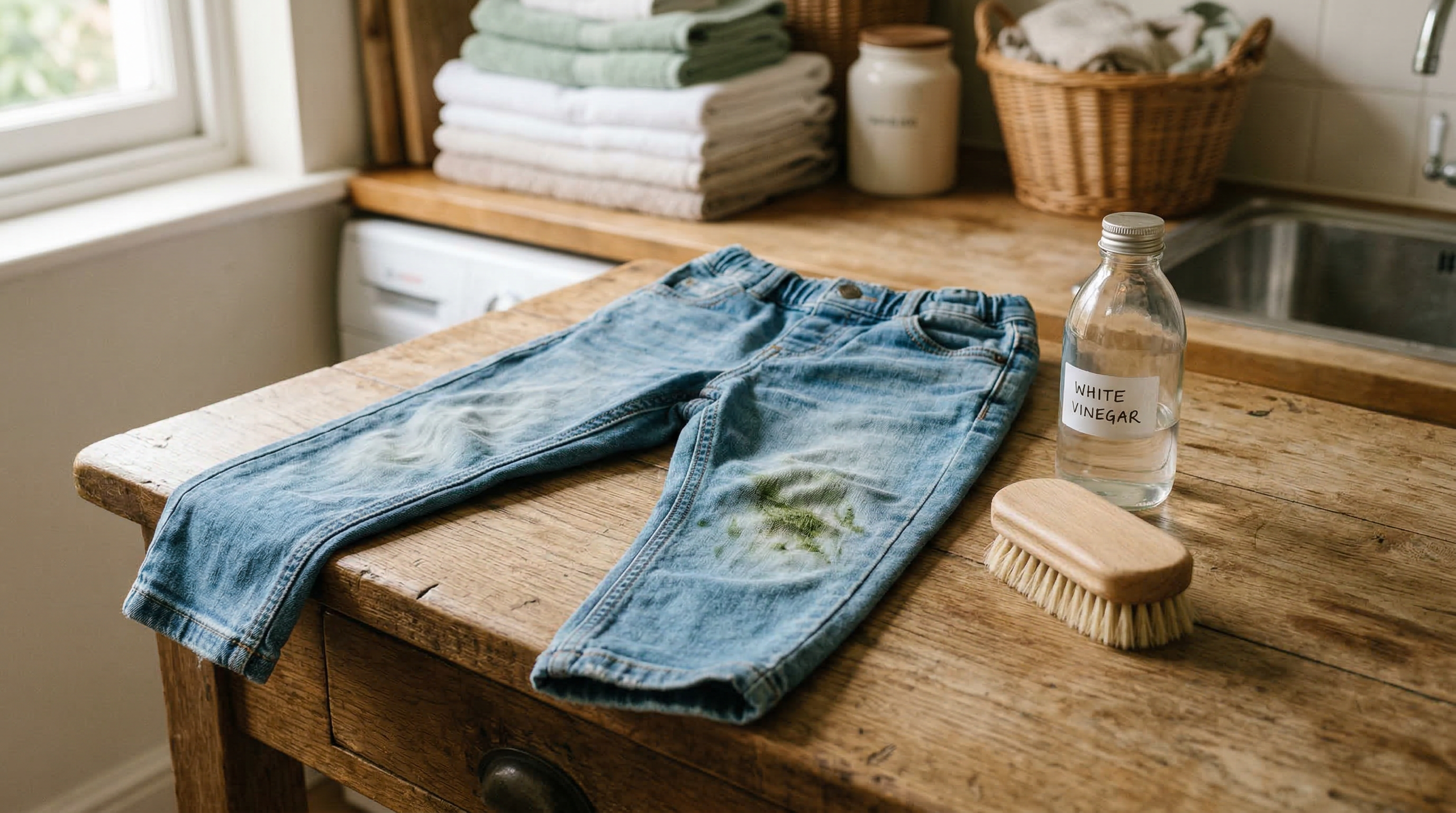
Grandma Knows: How to Remove Grass Stains from Clothes
Grass stains on clothes are stubborn but very treatable. Learn the household methods that break down chlorophyll and get fabric clean again.
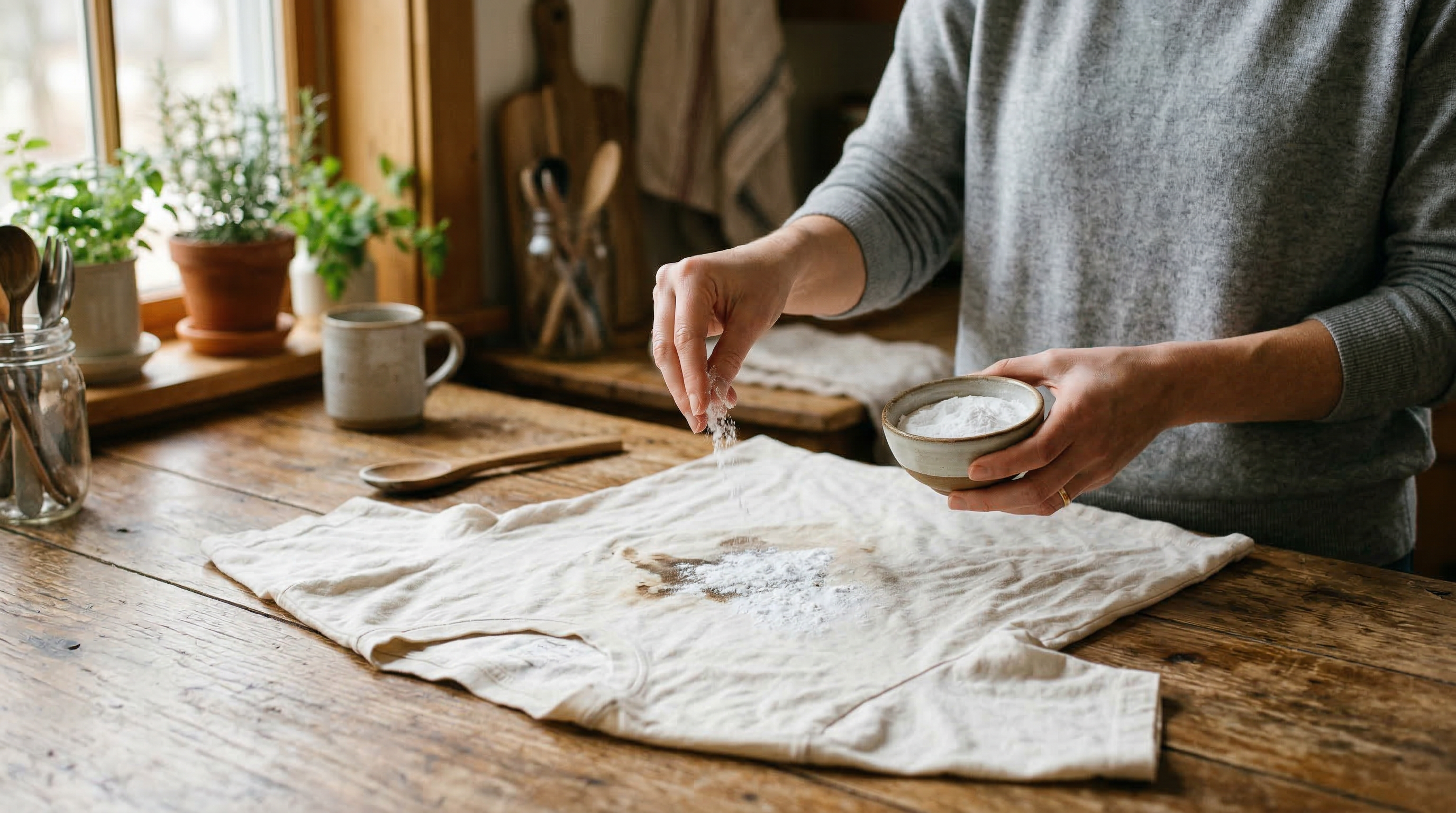
Grandma Knows: How to Remove Grease from Clothes
Grease stains on clothes are tricky but not impossible. Discover proven household methods using baking soda, dish soap, and patience.