
Grandma Knows: How to Get Ink Off Leather
Ink on leather doesn't have to be permanent. Learn practical, tested methods to remove ink stains from leather sofas, bags, and shoes safely.
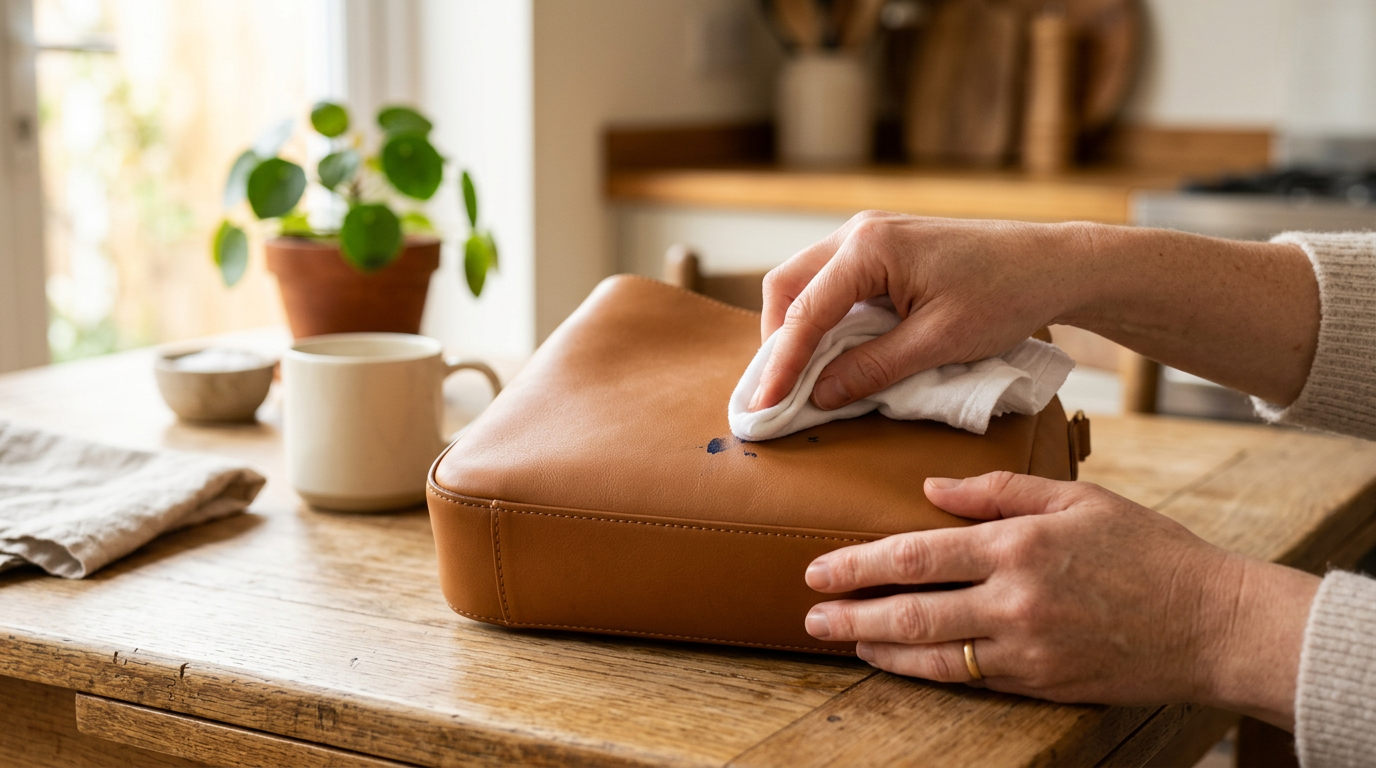
A pen leaks in your pocket. A child draws across the arm of the sofa. A ballpoint rolls under your laptop and leaves a streak across your leather bag. These things happen in normal home life, and when they do, that dark line of ink can feel like a disaster.
The good news is that ink on leather is one of those stains that responds well to prompt, careful attention. The bad news is that leather is also one of those materials where the wrong approach — something too harsh, too wet, or applied without thought — can cause more damage than the stain itself.
Understanding how ink and leather interact is the first step. From there, the methods become clearer, and the process feels much more manageable.
Why Ink Sticks to Leather the Way It Does
Leather is not a flat, sealed surface the way glass or ceramic might be. Even finished leather — the kind used in sofas, handbags, and shoes — has a fine texture. It breathes slightly. It absorbs. And because of this, ink doesn't just sit on top of it. It begins to work its way into the surface almost immediately.
Ballpoint ink is oil-based. It contains dyes, resins, and solvents that help it flow smoothly from a pen tip. When it makes contact with leather, the oily base clings to the material while the solvent begins to push the dye deeper into the surface. The longer it sits, the more it sets.
Felt-tip and marker ink works differently. Most of these inks are water-based or alcohol-based and tend to spread more quickly across the surface. They may appear less dark at first, but they can cover a wider area and soak in fast.
Printer ink, though less commonly the cause of leather stains, is usually pigment-based and tends to be the most stubborn of the three. It bonds tightly to surfaces and resists most household solvents.
Knowing which type of ink you are dealing with will help you choose the right method. When in doubt, treat it as ballpoint first, since that is the most common household culprit and the methods that work for it are generally gentle enough not to cause harm.
The Most Important First Step
Before you try anything, do not wipe the stain. The instinct to rub at a fresh mark is understandable, but rubbing spreads the ink laterally and pushes it deeper into the leather at the same time. You end up with a larger, more embedded stain than you started with.
If the ink is still wet, the first thing to do is blot it gently with the corner of a clean, dry cloth. Press lightly, lift, move to a clean section of the cloth, and press again. You are lifting ink away from the surface, not moving it around.
Once the surface is as dry as you can get it with blotting, take a moment to assess what you are working with. What type of leather is it? Smooth finished leather on a sofa or handbag will behave very differently from suede or nubuck, which are napped leathers with an entirely different surface structure. The methods below apply primarily to smooth, finished leather. Suede and nubuck need specialist treatment and should not be approached with liquids or solvents at home.
Rubbing Alcohol: The Most Reliable Household Method
Isopropyl alcohol — the kind sold in pharmacies as rubbing alcohol — is widely considered the most effective home remedy for ballpoint ink on smooth leather. It works because the alcohol dissolves the resin and oil components in ballpoint ink, breaking the bond between the ink and the leather surface so that it can be lifted away.
The method requires patience and a light hand. Here is how to do it properly:
- Dampen a cotton swab or the corner of a clean white cloth with rubbing alcohol. Do not soak it — you want it damp, not dripping.
- Dab gently at the outer edge of the stain, working inward toward the center. This keeps the stain from spreading outward.
- Lift the cloth or swap to a clean section of cotton frequently. Each time you press and lift, you are pulling ink away. If you keep using the same spot on the cloth, you will just be pushing ink back down.
- Work slowly. Give the alcohol a few seconds to act before each dab.
- Once the ink has lifted as much as it will, wipe the area gently with a clean damp cloth to remove any residue.
- Allow the leather to dry naturally — not with heat.
- Apply a leather conditioner to the area once dry. Alcohol draws moisture from leather, and conditioning restores the suppleness of the material.
This method works best on fresh stains, but it can still make a meaningful difference on older marks, particularly if the leather has a good protective finish. On very pale or delicate leather, test on a hidden area first — alcohol can occasionally lighten color on certain finishes.
Hairspray: An Old Household Standby
Hairspray was one of the go-to fixes for ink on leather long before rubbing alcohol became a common household item. The reason it works is simple: older aerosol hairsprays contained a high percentage of alcohol, which did the actual cleaning work.
Many modern hairsprays have reduced their alcohol content significantly, which means they are less effective for this purpose than they once were. If you try hairspray and find it is not working, the alcohol content is likely too low. In that case, rubbing alcohol is the more reliable choice.
If you do use hairspray, spray a small amount onto a cloth first rather than directly onto the leather. Then dab as you would with alcohol. The same principles apply — work inward from the edges, use a clean section of cloth with each press, and condition the leather afterward.
Petroleum Jelly for Older or Stubborn Stains
This is a method that surprises many people, but it has a solid logic behind it. Petroleum jelly — the kind sold as a basic skin salve — is an emollient that can help break down oil-based ink when left in contact with it over time. It works more slowly than alcohol but is far gentler, making it a useful option when you are dealing with a stain on a particularly delicate or well-worn piece of leather that you do not want to risk with solvents.
Apply a small amount of petroleum jelly directly to the ink stain and work it in gently with a fingertip. Leave it to sit for several hours — overnight is ideal. The jelly penetrates the leather slightly and begins to loosen the bond between the ink and the surface. When you wipe it away with a clean cloth, some of the ink should come with it.
This method rarely removes ink completely on its own, but it can lighten a stain significantly and soften it enough that a follow-up treatment with alcohol becomes more effective. It is also a useful approach when the stain has been sitting for a day or more and has had time to set.
Non-Acetone Nail Polish Remover: Use with Caution
Non-acetone nail polish remover contains mild solvents that can dissolve certain types of ink. It is effective in some situations but must be used with genuine care, because even the gentler non-acetone formulas can strip finish from leather or affect the dye if used too liberally.
If you choose to try it, apply a tiny amount to a cotton swab and dab — do not rub — at the stain. Watch the leather closely. If you see any color transferring to the swab from the leather itself rather than the ink, stop immediately. That means the remover is affecting the leather's own dye, and continuing will leave a bleached spot.
This method is best reserved as a last resort for smooth, darker-colored leather where color loss would be less visible, or in situations where the stain is so significant that some risk is acceptable.
What Not to Use on Leather
There are a number of cleaning agents that are effective on other stain-prone surfaces but genuinely harmful to leather. Knowing what to avoid is just as important as knowing what works.
- Acetone or acetone-based nail polish remover: Far too strong. It strips the finish from leather and can eat into the dye beneath it, leaving pale, damaged patches that cannot be repaired at home.
- Bleach or bleach-containing cleaners: Will discolor leather immediately and permanently.
- Harsh all-purpose cleaners: These are formulated for hard, non-porous surfaces. On leather, they strip natural oils, crack the surface over time, and often cause discoloration.
- Excessive water: Leather and large amounts of water do not mix well. Water can cause leather to warp, stiffen, or develop tide marks as it dries. Always use moisture sparingly and dry leather slowly and naturally.
- Scrubbing brushes or abrasive cloths: The surface of finished leather can be scratched or scuffed easily. Always use soft cloths or cotton swabs.
Caring for the Leather After Treatment
Whichever method you use, the treatment process is only half the work. Leather needs care after any cleaning, particularly when solvents have been involved.
Once the area is clean and dry, apply a good leather conditioner. This restores moisture to the leather and helps maintain its softness and flexibility. Without this step, areas treated with alcohol or other solvents can become dry and slightly stiff over time, and in worst cases, cracking can develop.
Work the conditioner in gently with a soft cloth using small circular movements. Allow it to absorb for a few minutes, then buff lightly with a clean dry cloth. The leather should feel supple and look healthy — not greasy or over-saturated.
If the leather item is something you use daily — a bag, a wallet, a pair of shoes — regular conditioning every few months as part of your routine will keep it in good condition and actually make it more resistant to staining in the future. Well-conditioned leather has a slightly more protected surface and absorbs liquids less readily than dry, neglected leather.
When the Stain Has Dried and Set
An ink stain that has been sitting for more than a few hours is harder to remove than a fresh one, but it is not necessarily hopeless. The key difference is that you will need more patience and likely more than one treatment session.
Start with the petroleum jelly method to soften the stain overnight. Then follow up with rubbing alcohol the next day, working slowly and carefully. Allow the leather to rest between treatments rather than trying to scrub out a set stain in a single session. Aggressive treatment of old stains tends to damage the leather surface before the stain fully lifts.
For very old, deeply set stains on valuable leather items — antique furniture, expensive bags, quality shoes — it is worth consulting a professional leather restorer rather than risking further damage at home. Professional restoration is more accessible and affordable than many people assume, and a skilled restorer has tools and dyes that can address both the stain and any surface damage left behind.
A Practical Note on Different Leather Items
The methods above apply broadly to smooth finished leather, but the specific item matters in terms of how you approach the cleaning process.
On a leather sofa, you typically have a larger surface area and can work with slightly more material, though you should still be careful not to over-wet the leather or leave moisture sitting in the seams. Work in a well-ventilated room when using alcohol.
On leather shoes, the finish can vary considerably depending on the shoe's quality and age. Older shoes or those with a matte finish may be more susceptible to color loss. Test any solvent on the inside of the tongue or another hidden spot before working on a visible area.
On leather bags and wallets, the leather is often thinner and the finish more variable. Be especially gentle, use the minimum amount of solvent necessary, and condition thoroughly afterward.
In all cases, the same underlying principle holds: act quickly when you can, work gently, and take care of the leather once the stain is gone.
Related articles
Grandma Knows: How to Remove Tomato Sauce from Clothing
Tomato sauce stains are vivid and quick to set. Learn the right sequence of treatments to remove tomato stains from clothing before they become permanent.
Grandma Knows: How to Remove Grass Stains from Clothes
Grass stains on clothes are stubborn but very treatable. Learn the household methods that break down chlorophyll and get fabric clean again.
Grandma Knows: How to Remove Grease from Clothes
Grease stains on clothes are tricky but not impossible. Discover proven household methods using baking soda, dish soap, and patience.