
11 Household Items You Should Never Mix Together
Learn which common cleaning products and household items create dangerous reactions, and why understanding these combinations matters for your family's safety.
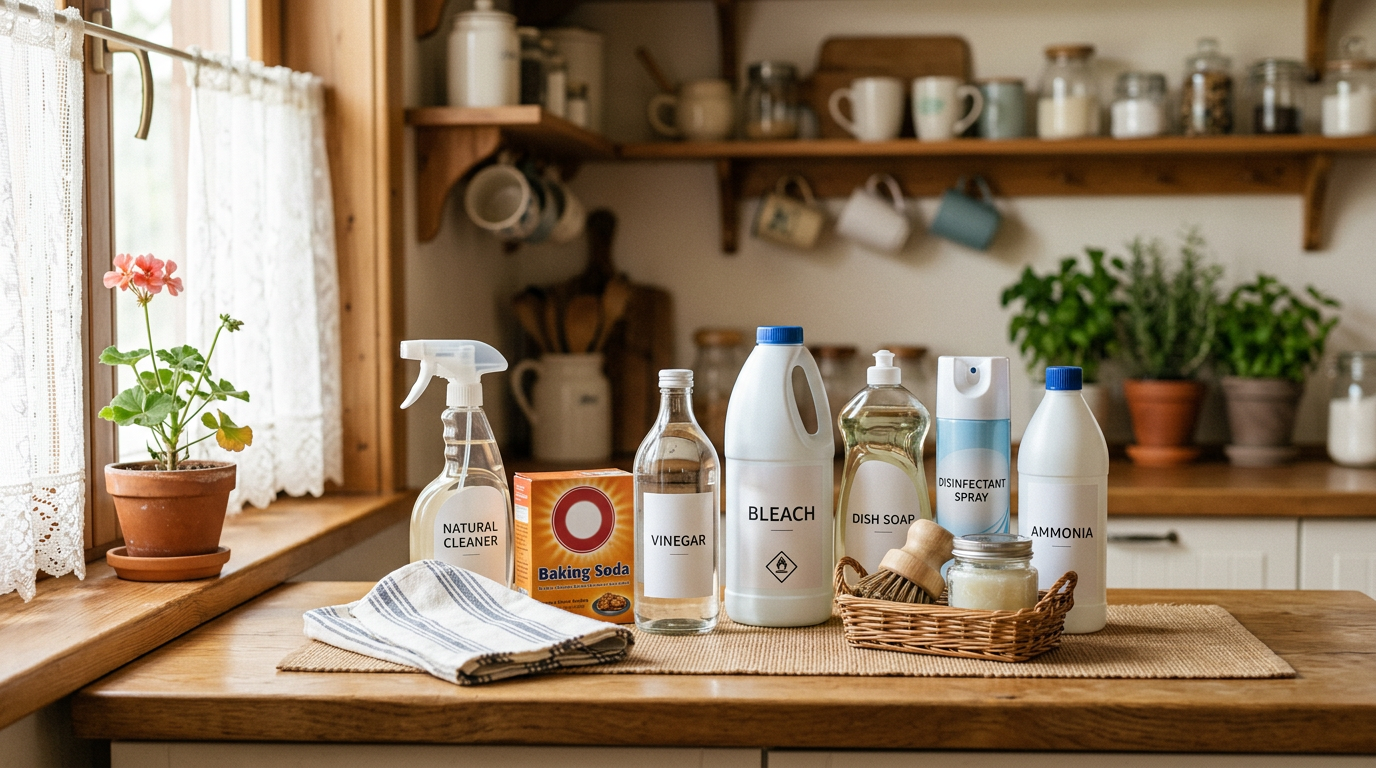
There's a particular kind of knowledge that lives quietly in the back of someone's mind—the kind that comes not from panic or fear, but from simple, practical experience. It's the understanding of which things in your home work well together and which ones absolutely should not meet. This isn't dramatic or alarming; it's just sensible household care, the same way you know not to wash delicates in hot water or store potatoes next to onions. Some combinations in your home aren't dangerous because of drama—they're dangerous because of chemistry, and understanding why matters far more than memorizing a list.
The reason we need to think carefully about what we combine in our homes is straightforward: many common household products are chemically active. They're designed to break down dirt, kill bacteria, dissolve grease, or brighten colors. When two or more of these substances meet, they don't simply sit together peacefully. They react. Sometimes the reaction is obvious—a smell, heat, or discoloration. Sometimes it's subtle enough that you might not notice anything has changed, even though something significant has. That's precisely why this knowledge matters. The things that look most innocent are sometimes the ones that need the most respect.
Bleach and Ammonia: The Most Dangerous Pairing
This is the combination that appears in nearly every safety warning, and it deserves that prominence. Bleach and ammonia don't just smell bad together—they create chloramine gas, which is genuinely toxic and can cause serious respiratory damage. The reason this combination is so common in households is that many people don't realize ammonia is present in so many products. It's in many glass and window cleaners. It's in some degreasers. It's in urine, which means if you're cleaning a bathroom where someone hasn't flushed properly, you're potentially creating this dangerous mixture without even realizing it.
What makes this particularly important to understand is that the danger isn't proportional to the amount. You don't need large quantities of either substance to create a hazardous situation. A small splash of bleach in a toilet bowl that hasn't been rinsed after using an ammonia-based cleaner can create enough gas to cause harm, particularly for people in small, poorly ventilated spaces like bathrooms. The chemical reaction happens quickly, and the gas disperses into the air you're breathing. This is why the standard advice is so firm: if you've used one product, rinse thoroughly with plain water, ventilate well, and wait before using the other. Time and fresh air are your safeguards here.
Bleach and Rubbing Alcohol
Bleach is sodium hypochlorite, a powerful oxidizer. Rubbing alcohol is flammable. When you combine them, you're mixing an oxidizer with a flammable substance, and oxidizers make things burn more easily and more intensely. The mixture can create toxic chlorine gas and potentially cause fires or explosions, depending on concentration and conditions. This is a combination that shouldn't happen in normal household cleaning, but it's worth knowing about because someone cleaning a surface might rinse it with bleach and then follow up with rubbing alcohol to speed up drying, not realizing they're creating a hazard. The lesson here is patience—let surfaces air-dry after bleaching, or use water-based drying methods instead.
Different Drain Cleaners Together
Drain cleaning is one of those tasks where people are often frustrated and in a hurry, which creates conditions for poor decisions. If a drain cleaner doesn't work the first time, the instinct is often to try a different product. This is dangerous. Commercial drain cleaners use different active ingredients—some use sodium hydroxide, others use sulfuric acid. When you mix products with different chemical bases, you can create heat, toxic fumes, or both. Additionally, if the first product didn't clear the drain, the second product sits in a pipe with the first one, creating a confined space where the chemical reaction happens. The safer approach is to try mechanical methods between chemical attempts—plungers, plumbing snakes, or simply letting time pass and trying again with plain hot water. If commercial cleaners aren't working, that's when you call a professional who has proper equipment and ventilation.
Hydrogen Peroxide and Vinegar
This one is interesting because both substances seem harmless on their own, and many people use both for cleaning. Together, they create peracetic acid, which is a much stronger oxidizer than either component alone. In small concentrations, the mixture isn't necessarily dangerous, but it's more irritating to skin and lungs than you'd expect from either ingredient separately. The reason to avoid this combination isn't usually about a dramatic chemical reaction, but about creating something more caustic than you intended. If you're using hydrogen peroxide as a disinfectant on surfaces or as a gentle cleaner, adding vinegar to boost its power doesn't work the way you might think—it just makes it harsher without necessarily making it more effective. Using them separately, in sequence with proper rinsing, is the better approach.
Bleach and Toilet Bowl Cleaners
Many toilet bowl cleaners already contain bleach or other strong oxidizers. Adding more bleach, or using bleach after a commercial toilet cleaner, concentrates these substances in a confined space—the toilet bowl and the water in it. Not only can this create toxic chlorine gas, it can also eat through pipes and fixtures more aggressively than either product alone. It's another example of how bathroom cleaning, which is often done hastily, is where these dangerous combinations happen most frequently. The rule here is simple: choose one product for the toilet and stick with it, rinsing thoroughly before switching to anything else.
Acetone and Certain Plastics
Acetone is a common solvent—it's in nail polish remover, some paint thinners, and various degreasers. Many people don't realize that acetone dissolves certain plastics, particularly polystyrene and some other common plastics used in household containers. If you pour acetone into a plastic bucket or cup not designed for it, the acetone will begin to dissolve the plastic, releasing particles into whatever you're trying to clean. It's not a dramatic explosion or toxic gas situation, but it's a practical problem that ruins your cleaning effort and potentially your container. This is a case where the combination matters because of what it does, not because of a chemical reaction. Using glass or metal containers for acetone-based products, and keeping them away from plastic storage containers, prevents the problem entirely.
Harsh Cleaners and Aluminum Foil or Aluminum Cookware
Strong alkaline cleaners (like oven cleaners) and acidic cleaners (like some bathroom cleaners) will both corrode aluminum. If you're cleaning stovetop surfaces and splash aggressive cleaner onto nearby aluminum cookware or aluminum foil storage, you'll create pitting and discoloration. More importantly, if you're cleaning with these products and then handling aluminum items before washing your hands, the residue can continue the corrosive action on the metal. This isn't dangerous in the sense of toxic fumes, but it's a practical reason to be mindful about which products you use near which materials, and to clean up spills immediately rather than letting them sit.
Baking Soda and Acidic Cleaners (With Caveats)
Baking soda and vinegar, or baking soda and lemon juice, create a fizzing reaction that's actually quite useful for cleaning drains and scrubbing surfaces. However, if you're mixing baking soda with stronger acids—like those in some commercial bathroom cleaners or rust removers—you can create too vigorous a reaction that spatters or creates excessive heat. The other issue is that the combination loses effectiveness when the chemical reaction between the base and acid is allowed to happen all at once in an uncontrolled way. For effective cleaning, you want to use them in sequence, not mixed together. The fizzing action itself does some of the work, but controlling it—letting the reaction happen on the surface you're cleaning rather than in a bucket—is what makes it useful.
Chlorine Bleach and Hydrogen Peroxide
Both are oxidizers, and combining them creates oxygen gas and potentially chlorine compounds. The reaction generates heat and can be vigorous enough to be unsafe. In a small bathroom where you're using both to disinfect surfaces, the combination of fumes and the chemical reaction itself creates a hazardous situation. Use one or the other for a particular cleaning task, not both in the same session.
Pesticides and Certain Other Chemicals
If you use any kind of pesticide in your home—insect spray, rodent bait, garden pesticide brought indoors—mixing it with other cleaning products is a serious safety concern. Pesticides are designed to be toxic to living things, and their interactions with other chemicals are often unpredictable and can create equally toxic or more toxic compounds. The safest approach is to treat pesticides as completely separate from your regular cleaning supplies. Use them only as directed, in isolation, and store them completely separately from other household chemicals. Many poisoning incidents happen because someone mixed a pesticide with another substance without realizing the danger.
Multiple Products in Carpet or Upholstery Cleaning
Carpet cleaning is an area where people often apply multiple treatments—a pre-treatment spray, then a cleaning solution, then a spot remover. If you're not careful about compatibility, these products can interact in the carpet fibers themselves, creating discoloration or degradation of the fabric. More importantly, if the products contain different active ingredients, they can neutralize each other or create new compounds that don't wash out easily. For carpet and upholstery, the better approach is to stick with one cleaning method per session—either a dedicated carpet shampoo, or spot treatment with a single product, not multiple overlapping treatments.
General Principles to Remember
Rather than trying to memorize every possible combination, understanding a few underlying principles will guide you toward safer choices. First, avoid mixing any products unless you specifically know they're designed to be used together. Second, if you're using one chemical cleaner, rinse thoroughly with plain water before using another. Third, always ensure good ventilation when using strong chemicals, even if you're not mixing anything—fumes need somewhere to go. Fourth, read labels carefully. Many products warn against mixing with specific substances or categories of substances. Those warnings exist because someone discovered a problem, and learning from their experience is much safer than discovering it yourself.
The other principle is patience. Most household problems don't require aggressive chemical combinations. A clogged drain that doesn't respond to one method will often respond to a plunger or waiting a few hours and trying again. A stubborn stain might need to sit with a single product for longer rather than having multiple products applied at once. Rust often comes off with time and the right tool rather than the strongest chemical available. Taking time to let solutions work, and using one product at a time with proper ventilation and rinsing, prevents most of the problems that come from mixing household items.
This knowledge isn't meant to create fear about your own home—it's meant to create confidence. Understanding these combinations means you can clean effectively and safely, knowing exactly why you're making the choices you are. You're not following rules from fear; you're following them because you understand the practical reality of how chemicals work. That understanding, applied calmly and consistently, is what creates a home that's both clean and truly safe for everyone in it.
Related articles

How Timing Influences Physical Comfort
Discover why when you act matters as much as what you do.

How Familiar Habits Support the Body
Discover how known routines reduce strain and uncertainty.

Why Slow Mornings Support Wellbeing
Learn how easing into the day benefits both body and mind.