
8 Household Items That Secretly Collect Germs—And How to Care for Them Properly
Learn which everyday items in your home harbor bacteria and germs, and discover practical, gentle ways to keep them clean without harsh chemicals.
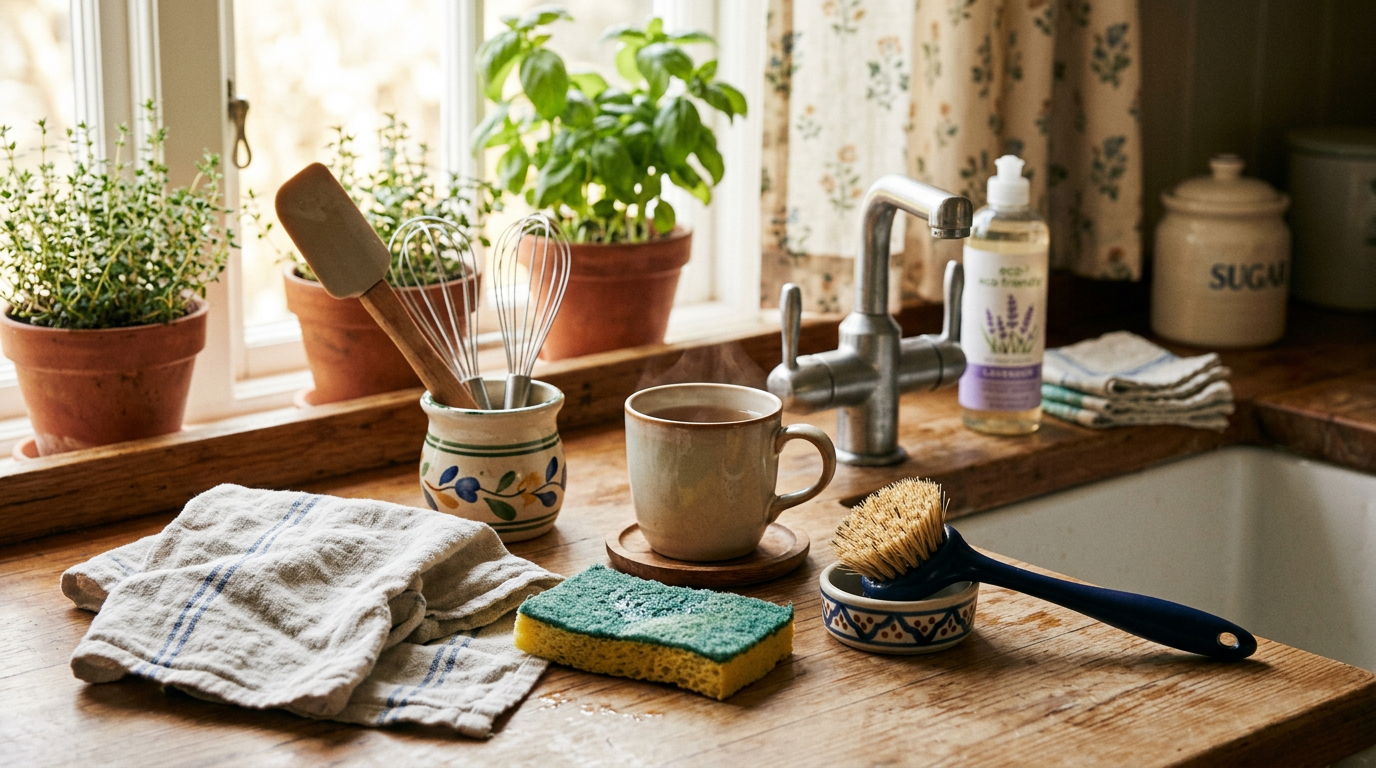
There's something deeply grounding about understanding how your home actually works—not just how it looks, but how it functions, what needs tending, and where invisible problems hide. For generations, people have kept their homes healthy through observation and careful maintenance, noticing patterns in what gets grimy, what needs regular attention, and how small habits compound into real cleanliness and health.
The truth is, some of the items we touch most frequently are also the ones that collect the most germs and bacteria. Not because our homes are dirty, but because they're living spaces where we cook, breathe, touch, and move through our days. Understanding which items these are—and why they become breeding grounds for microbes—helps us care for our homes with intention rather than anxiety.
This isn't about creating a sterile environment or scrubbing everything constantly. It's about knowing where germs concentrate, understanding the mechanisms that allow them to accumulate, and developing sensible routines that keep your home genuinely clean and safe.
1. Kitchen Sponges and Dish Cloths
Of all the items in a kitchen, sponges might be the most neglected when it comes to proper care. A damp sponge is essentially a perfect home for bacteria: it's warm, moist, and full of organic material from dishes. The structure of a sponge—all those tiny pores—creates millions of hiding places where bacteria can cluster and multiply between cleanings.
Many people rinse their sponges and consider them clean. Rinsing helps, but water alone doesn't eliminate the bacteria living deep within the sponge's structure. The most effective approach is to microwave a damp sponge for two minutes on high heat. The moisture turns to steam, which penetrates the sponge and kills bacteria throughout. Do this several times a week, or whenever the sponge begins to smell off. Some people microwave daily; it depends on how much cooking you do.
Dish cloths need similar attention. Unlike sponges, cloths can be washed in hot water with regular laundry detergent. The agitation and heat combination is very effective. Wash them at least twice weekly, and more often if you wipe up raw meat or poultry. Many households keep separate cloths for different tasks—one for drying hands, another for wiping counters, another for drying dishes—and wash each group separately.
The real shift in thinking is seeing these items as tools that need maintenance, not disposable products. A good cloth or sponge, properly cared for, will serve you well and is more economical and environmentally sensible than constant replacement.
2. Cutting Boards, Especially Wooden Ones
Cutting boards absorb bacteria directly into their porous surfaces, particularly when you've been working with raw meat, poultry, or seafood. Many people believe plastic boards are automatically safer, but research suggests both materials can harbor bacteria if not properly cleaned. What matters more is the method of cleaning and the material's condition.
For any cutting board, wash immediately after use with hot soapy water, scrubbing both sides thoroughly. For boards that have been used with raw animal products, sanitizing is the next step. You can use a solution of one tablespoon of unscented bleach per gallon of water, or you can use a vinegar-and-hydrogen peroxide method: spray the board with vinegar, let it sit briefly, then spray with hydrogen peroxide and let air dry.
Wooden boards have a particular advantage that's often overlooked: wood has natural antimicrobial properties. Studies show that bacteria actually decline over time on wooden boards, partly due to the wood's ability to absorb moisture (which bacteria need) and partly due to natural compounds in the wood. However, this only works if the wood is properly maintained. Keep wooden boards conditioned with food-grade mineral oil or beeswax-based conditioner every few weeks. This keeps the wood from drying out, prevents cracks (where bacteria hide), and maintains its natural protective qualities.
Replace any cutting board when it becomes deeply scored or cracked. Those damage patterns become impossible to clean thoroughly and aren't worth the effort.
3. Refrigerator Seals and Shelves
The rubber gasket around your refrigerator door is damp, dark, and rarely cleaned thoroughly. It's an ideal environment for mold and mildew to establish themselves. Many people don't think to clean this area until they notice visible growth or smell something off.
Make it a habit to wipe refrigerator seals monthly. Use a soft cloth or old toothbrush with a mixture of equal parts white vinegar and water. Work the solution into the seal's crevices, where moisture and food particles accumulate. Dry thoroughly afterward. This simple step prevents mold growth and keeps your refrigerator functioning properly—a dirty seal also makes your refrigerator work harder, using more energy.
Refrigerator shelves deserve regular attention too, especially the undersides where spills drip and accumulate. Once a month, remove shelves and wash them in warm soapy water. Wipe the interior walls and underneath where the shelves sit. This prevents the slow buildup of bacteria and keeps your refrigerator genuinely clean rather than just appearing clean from a glance.
4. Toothbrush Holders and Bathroom Surfaces
Toothbrush holders are persistently damp and sit in a warm bathroom environment. They collect water droplets, toothpaste residue, and are a natural gathering place for mold and mildew. Most people replace toothbrush holders based on appearance, but the contamination is often invisible.
The solution is simple consistency: wash the holder weekly with hot soapy water and a brush to reach into crevices. Dry it completely before returning toothbrushes. Alternatively, you can soak the holder in the diluted vinegar-and-water solution mentioned above for 10 minutes weekly.
More importantly, allow toothbrushes themselves to air dry completely between uses. Store them standing upright in a cup or holder, not crowded together or covered. Air circulation prevents bacterial growth on the brush bristles themselves. Replace toothbrushes every three to four months, or sooner if bristles become frayed.
The entire bathroom counter area benefits from weekly wiping with a damp cloth and occasional deeper cleaning with mild disinfectant. Pay special attention to areas around the sink where water splashes and collects.
5. Kitchen Sink Drain and Strainer
The kitchen sink drain is perhaps the most bacteria-rich spot in an average home. It's warm, moist, full of organic material, and rarely receives thorough cleaning. Food particles decompose there, and the environment is perfect for bacterial colonies and mold.
A weekly drain cleaning routine prevents buildup and keeps your plumbing functioning well. The traditional and highly effective method is to pour boiling water down the drain, followed by half a cup of baking soda, then half a cup of white vinegar. Let it sit for 15-30 minutes, then flush with more hot water. The chemical reaction helps break down accumulated material, and the heat kills many bacteria. This approach is safer for your pipes than commercial chemical drain cleaners.
The strainer basket, if you use one, should be rinsed and scrubbed under hot water daily, and washed thoroughly with soap weekly. Remove it and look underneath—bacteria and slime accumulate in the areas where the strainer sits in the drain opening itself.
If your sink has a garbage disposal, run cold water while using it and for 10-15 seconds afterward. This helps flush material completely through the system. Monthly, grind ice cubes and citrus peels to help clean the disposal blades and freshen the smell.
6. Remote Controls and Light Switches
These items are touched frequently by everyone in the household, often with hands that haven't been washed recently. Remote controls accumulate dust, dead skin cells, and bacteria. Light switches experience similar contamination, especially the ones near the kitchen and bathroom.
Light switches can be wiped weekly with a slightly damp cloth. For remote controls, a dry microfiber cloth works best for regular dusting, and occasional deeper cleaning with a cloth very slightly dampened with rubbing alcohol helps remove bacteria without damaging the device. Let it air dry completely before use.
This is particularly important in households with young children or during cold and flu season. These high-touch surfaces become vectors for spreading illness within a home.
7. Coffee Makers and Water Bottles
Coffee makers, especially the internal components, accumulate mineral deposits and can harbor mold and bacteria in the water reservoir and the areas where water travels through the machine. This isn't always visible, but it affects both cleanliness and the flavor of your coffee.
Clean the removable parts (filter basket, carafe) after each use. Monthly, run a cycle with a 50-50 mixture of white vinegar and water, letting the machine operate as if brewing normally. Let the vinegar solution sit in the carafe for 15 minutes, then run a full cycle of plain water to rinse thoroughly. This descaling removes mineral buildup and kills bacteria.
Reusable water bottles develop similar issues, especially if they're used for something other than water or if they're not dried completely between uses. Wash water bottles daily with hot soapy water, and once weekly, soak them in a diluted vinegar solution for an hour or overnight. This reaches areas that regular washing might miss. If a bottle has a narrow mouth, use a bottle brush and hot water to ensure you're reaching the bottom and interior walls. Air dry completely before storing.
8. Bed Pillows and Mattresses
Pillows and mattresses collect dust mites, their droppings, dead skin cells, bacteria, and sometimes mold. These items are difficult to wash and are rarely cleaned as thoroughly as they should be. Dust mite droppings are a major allergen, and the accumulation over months and years is significant.
Pillows should be washed every two to three months if they're washable (check the label). Use hot water and a gentle cycle, then dry completely in a hot dryer. This kills dust mites and removes accumulated debris. For pillows that aren't machine washable, a regular vacuuming with an upholstery attachment helps remove surface dust and debris.
Mattresses benefit from a seasonal deep cleaning. Vacuum the entire surface with an upholstery attachment, reaching into seams and edges. Every few months, sprinkle the mattress lightly with baking soda, let it sit for 15-20 minutes, then vacuum thoroughly. The baking soda helps absorb odors and some moisture. Rotate the mattress every few months so it wears evenly and gets exposed to air and light from different angles.
Using a mattress protector, washed monthly, adds a barrier between you and the mattress itself and makes the mattress last much longer. Wash sheets weekly in hot water, which is the best approach for killing dust mites and bacteria.
A Practical Philosophy
The underlying principle here isn't fear or obsessive cleaning. It's that certain items in our homes naturally accumulate bacteria, and understanding this allows us to care for them sensibly. Small regular habits—rinsing and microwaving sponges, wiping seals, washing items that can't dry completely—prevent problems from developing rather than requiring intensive cleaning later.
These routines also become satisfying once they're established. There's a genuine comfort in knowing your kitchen is hygienic, your bathroom is truly clean, and your bed is fresh. It's the kind of knowledge that allows you to relax in your home because you understand how it works and you're caring for it properly.
Start with whichever items affect you most directly—perhaps your kitchen sponge or your pillow. Establish one new habit at a time. Over a few weeks, these practices become automatic, and you'll find that your home feels cleaner, smells fresher, and functions better. That's not because you're cleaning more frantically; it's because you're cleaning more thoughtfully.
Related articles

How Timing Influences Physical Comfort
Discover why when you act matters as much as what you do.

How Familiar Habits Support the Body
Discover how known routines reduce strain and uncertainty.

Why Slow Mornings Support Wellbeing
Learn how easing into the day benefits both body and mind.